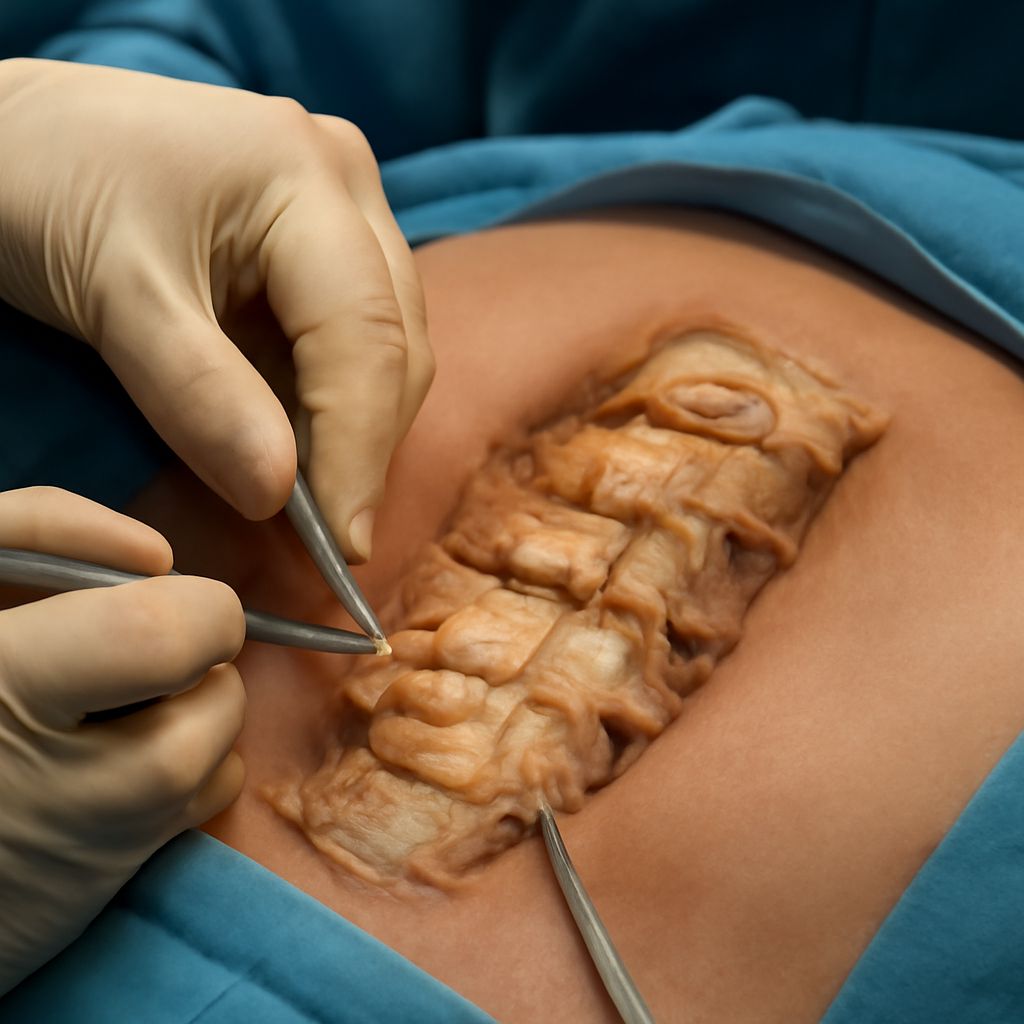
Ablation of a nerve is a procedure intended to interrupt pain signals from a carefully selected target. In a common approach, a specialist uses heat generated by radiofrequency energy to treat a small area of nerve tissue. When ablation is discussed in relation to the spine, the intended target is generally a particular nerve associated with a suspected source of pain, rather than the entire spine.
The treatment may be offered as part of a plan for persistent pain, but results differ. Some people obtain relief for a period of time, while others experience little or no improvement. The name of the procedure, the nerve involved, and the reason it is being considered all matter when discussing what to expect.
What happens to the pain signal?
Nerves carry information between the body and the brain. A pain signal can be thought of as a message traveling along a particular route. Radiofrequency treatment creates a small area of controlled damage at the selected nerve, disrupting its ability to carry that message. The aim is to reduce pain linked to that route; the procedure does not necessarily correct the underlying structure associated with the pain.
Nerve ablation is a broad description, and the exact technique and target depend on the condition being treated. Radiofrequency ablation, also called radiofrequency neurotomy, uses electrical energy to produce heat. According to Mayo Clinic, it may be used for certain persistent pain in the neck, back, pelvic area, or joints. These locations do not all involve the same nerves or the same assessment.
Spinal ablation and the nerves near the spine
Spinal ablation is a shorthand expression that needs clarification. In a common procedure for pain associated with small joints of the spine, the specialist targets medial branch nerves that carry signals from those joints. Other procedures target different nerves. The phrase alone does not identify which structure is being treated or establish the source of a person’s pain.
Facet joints are small paired joints between vertebrae that help the spine move. A clinician may suspect that one or more of these joints contribute to pain and consider the nearby sensory nerves as targets. The Cleveland Clinic explains that other nerves near the sacroiliac joints, at the base of the spine, can also be treated in selected circumstances. These are distinct locations and should be named when discussing a proposed procedure.
The term spine ablation can therefore be misleading if heard without context. Treatment of a nerve near the spine is different from removing the spinal cord or repairing a disc. A specialist can explain the proposed target and how it relates to the symptoms being assessed. Other procedures may approach a nerve within a vertebra, so the details of the proposed treatment should not be assumed from a general label.
How does a specialist identify the target?
The assessment begins with the person’s symptoms, medical history, and examination. The location of discomfort alone may not reveal which structure is responsible, because several conditions can produce pain in the same area. A clinician may consider previous treatments and test results as part of that discussion.
Before some forms of ablation for back pain, a specialist uses a diagnostic nerve block: a local anesthetic is placed near a suspected nerve to see whether pain temporarily decreases. A response can help identify a possible target, but it is not a promise that the later procedure will work. The meaning of the response depends on the particular pain and the assessment.
Back ablation is also a general phrase, not a precise diagnosis. If a clinician uses it, useful questions include which nerve is targeted, what source of pain is suspected, and what alternatives are available. The answers distinguish a particular treatment plan from a general description of a procedure in the back.
What does the procedure involve?
In a typical radiofrequency procedure, a pain specialist uses imaging to guide a needle through the skin to the selected location. Local anesthetic is used to numb the area, and an electrode delivers radiofrequency energy at the target. The clinician monitors the procedure and uses the technique appropriate to the specific nerve. Details, including positioning and medication, vary by procedure and clinical setting.
The phrase nerve ablation surgery may be used because an instrument enters the body and tissue is deliberately treated. For common radiofrequency treatment of nerves near spinal joints, however, it is usually described as a minimally invasive procedure rather than open surgery: it is performed through a needle rather than a large incision. Other nerve-targeting interventions may use different approaches, so the terminology alone does not describe every step.
Ablation of a nerve during a surgical or procedural treatment is carried out by trained professionals in a clinical setting. It is not an action to try independently. Before the appointment, the treating team gives instructions suited to the planned procedure, medications, and individual circumstances.
What results and risks are possible?
The goal of this treatment is to reduce pain and, where possible, make everyday activities more manageable. Relief may be modest or substantial, short-lived or longer-lasting, and sometimes the procedure does not improve pain or function. The target must be relevant to the pain being treated, but even a carefully selected target does not ensure a particular outcome.
Nerves may recover over time, and pain can return. A follow-up discussion can look at both pain and function: for example, whether walking, sitting, or sleep has become easier. A change in one area may be meaningful even if another remains difficult, and persistent symptoms can prompt a review of the broader plan.
Temporary soreness or numbness at the treatment site can occur. Less common complications include bleeding, infection, and nerve injury. A clinician can explain the risks of the specific procedure, including what changes after treatment should prompt contact with the care team. New or worsening symptoms after a procedure deserve timely attention according to that team’s instructions.
Does ablation replace other care?
Not necessarily. Treatment directed at nerves in the back may be one part of a plan that also addresses movement, function, medication, or other sources of pain. The treating clinician can explain how the proposed procedure fits that plan and what will be reviewed afterward.