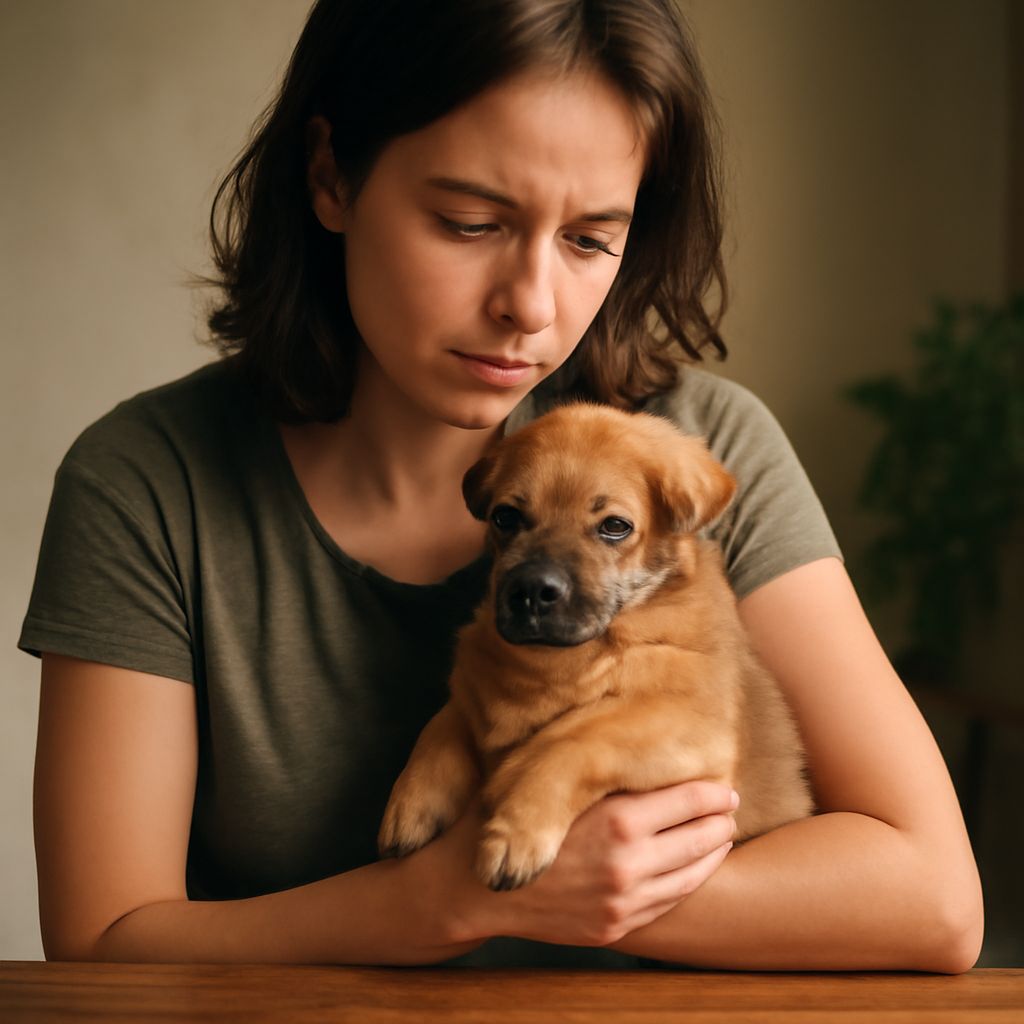
Potty training a puppy is an essential step in ensuring a harmonious home environment. A well-potty trained puppy can significantly reduce stress and create a more enjoyable living experience for both the dog and its owners. Understanding how to potty train a puppy effectively can lead to a well-behaved pet, minimizing accidents and maximizing positive interactions.
By following structured techniques and tips, owners can achieve a potty trained dog that understands boundaries and expectations. This comprehensive guide provides clear instructions and solutions to common challenges faced during the training process.
Why Potty Training is Important
Potty training is crucial for maintaining cleanliness and order in the home. It helps create a structured environment where a puppy learns the appropriate times and places to relieve itself. This training not only protects household items from damage but also enhances the overall well-being of the pet, as they thrive on routine and consistency.
Through effective potty training, puppies develop good habits that contribute to their mental and physical health. It teaches them discipline, which is foundational to other forms of training and behavior management.
Steps to Potty Train a Puppy
Setting Up a Routine
Establishing a regular schedule is vital in teaching a puppy when and where to go potty. Start by taking the puppy outside first thing in the morning, after meals, and before bedtime. Consistent timing helps the puppy learn to anticipate bathroom breaks, reducing the likelihood of indoor accidents.
During the initial stages, plan for frequent trips outdoors, ideally every two hours. This frequency can be adjusted as the puppy grows older and gains better control over its bladder.
Using Positive Reinforcement
Positive reinforcement is a powerful tool in potty training. Rewarding a puppy with treats or praise immediately after successful bathroom trips reinforces the desired behavior. Ensure the reward is given promptly to establish a clear connection between the action and the reward.
Avoid negative responses to accidents, as these can lead to fear or anxiety. Instead, focus on encouraging the puppy when it gets it right. Use verbal cues like “go potty” to create a command association that can be used consistently throughout the training process.
Troubleshooting Common Issues
Despite best efforts, some challenges may arise during potty training. If a puppy continues to have accidents indoors, reassess the routine and ensure consistency in timing and reward. It may be helpful to return to more frequent outdoor trips to reinforce the habit.
Addressing stress or anxiety is also crucial, as these can contribute to potty training difficulties. Creating a calm, safe environment and sticking to a routine can mitigate these issues.
If problems persist, consulting with a professional trainer or veterinarian may provide additional insights and solutions tailored to the puppy’s needs.
Next steps: To maintain progress, continue to follow the established routine and use positive reinforcement consistently. Regularly reassess and adjust the schedule to match the puppy’s growing capabilities, ensuring a smooth transition to a fully potty trained dog. Patience and persistence are key to achieving long-lasting results.