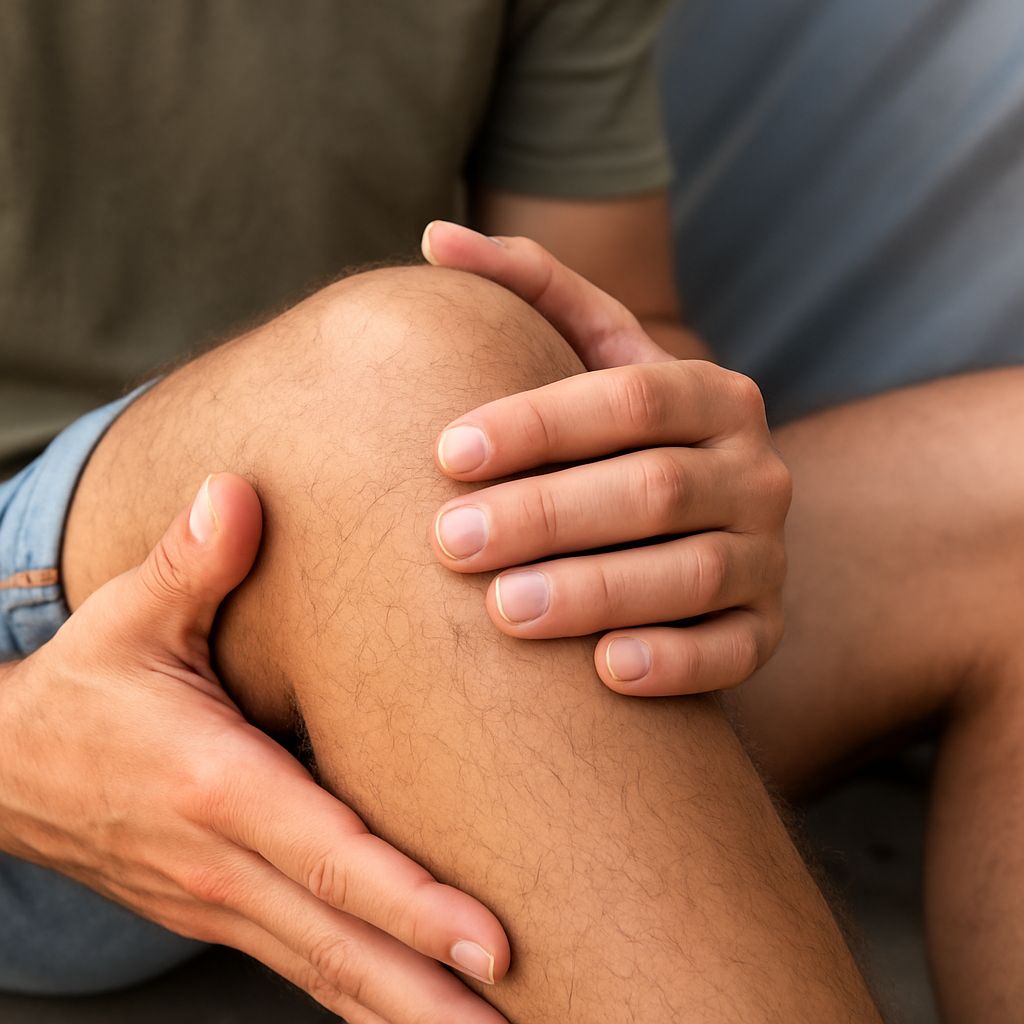
Knee pain, particularly left knee pain, can be a significant hurdle in daily life, affecting everything from mobility to mood. Finding effective ways on how to relieve knee pain naturally is not just a matter of comfort, but essential for maintaining an active and fulfilling lifestyle. By understanding the underlying causes of knee pain, individuals can take informed steps to manage their symptoms and seek appropriate treatment when necessary.
This article will explore the most common causes of knee pain, effective natural remedies, and practical exercises. It will also cover when professional help is needed and provide insights into why left knee pain might require specific attention.
What Causes Knee Pain?
Knee pain can stem from a variety of sources, including injuries, overuse, and medical conditions. Common injuries such as ligament tears, meniscus tears, and fractures often result from sports or accidents. Overuse injuries, frequently seen in athletes and active individuals, can lead to conditions such as tendinitis or bursitis.
Medical conditions including arthritis—osteoarthritis and rheumatoid arthritis—often contribute to chronic knee pain. Osteoarthritis involves the degeneration of joint cartilage, while rheumatoid arthritis is an autoimmune disorder causing inflammation. Infections, gout, and other systemic conditions may also cause or exacerbate knee symptoms.
How to Relieve Knee Pain Naturally
Relieving knee pain naturally involves a combination of rest, icing, compression, and elevation, commonly referred to as the R.I.C.E method. Rest is crucial for recovery, especially after acute injuries, while ice packs reduce swelling and numb sore tissues. Compression with a knee brace or bandage can minimize swelling, and elevating the leg helps to decrease inflammation.
Natural supplements like glucosamine, chondroitin, and turmeric have shown potential in managing pain and inflammation. Additionally, maintaining a healthy weight reduces stress on the knees, and adopting anti-inflammatory diets rich in omega-3 fatty acids, fruits, and vegetables may further assist in pain management.
Simple Exercises for Knee Pain Relief
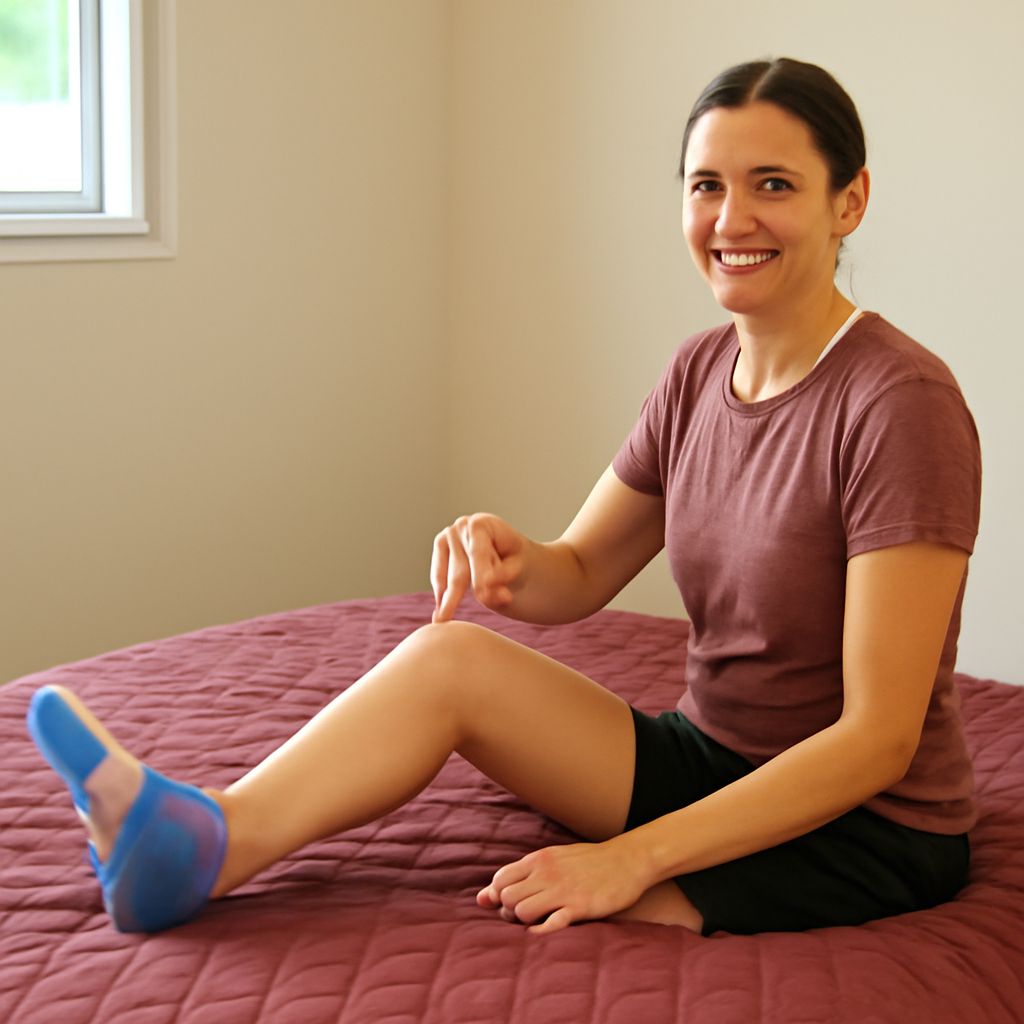
Incorporating simple exercises into daily routines can help strengthen muscles around the knee, providing support and reducing pain. Quadriceps strengthening exercises, such as leg lifts and straight leg raises, are essential for knee stability. Hamstring stretches enhance flexibility and reduce tension in the knee joint.
Low-impact activities like swimming and cycling help maintain fitness without putting excessive strain on the knees. These activities improve cardiovascular health and muscle endurance, contributing to overall knee health over time.
When to Seek Professional Help for Knee Pain
While at-home remedies can be effective, certain situations necessitate professional intervention. If knee pain persists beyond a few weeks, if it is severe, or if it affects daily activities like walking or climbing stairs, seeing a healthcare provider is advisable. Symptoms such as extreme swelling, inability to fully extend or flex the knee, visible deformities, or consistent pain even at rest, should prompt immediate medical evaluation.
Professional assessments may include imaging tests like X-rays or MRIs to diagnose underlying conditions accurately. Treatment plans might involve physical therapy, prescription medications, or in some cases, surgical intervention.
Understanding Left Knee Pain: Specific Considerations
Focusing on left knee pain, it’s important to consider potential asymmetries in the body. Sometimes, imbalances or discrepancies in leg length, gait, or muscle strength can lead to unilateral pain. Left knee pain might also result from specific injuries such as blows to the left side of the body or repetitive movements favoring one side.
Individuals often ignore subtle symptoms, delaying treatment until the condition worsens. Hence, early attention to left knee pain, examination of lifestyle factors, and adjustments to physical activities can prevent chronic issues. Awareness of ergonomic factors, like proper footwear and posture during daily tasks or sports, plays a critical role in addressing left knee pain.
Bottom line: Knee pain, including left knee pain, requires attention to prevent it from interfering with daily life. By understanding its causes and exploring natural relief methods, along with appropriate exercises, individuals can effectively manage their joint health. Seeking professional help when necessary ensures timely treatment and better outcomes.