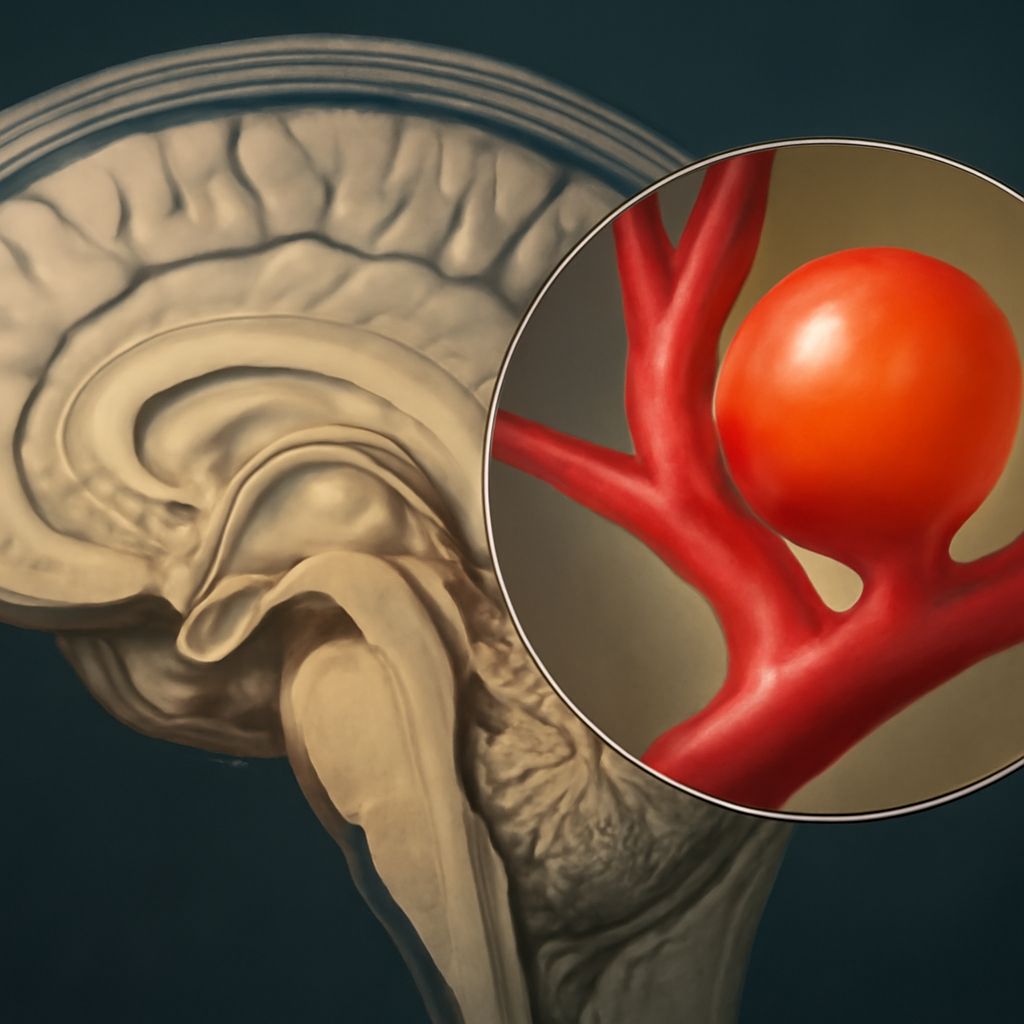
Recognizing the signs and symptoms of a brain aneurysm is vital for early detection and prevention. By understanding cerebral aneurysm symptoms, individuals can seek timely medical attention, potentially averting severe consequences. This knowledge equips you to take proactive steps towards safeguarding your health. Furthermore, exploring what causes an aneurysm can empower you to make informed lifestyle choices that reduce your risk.
Understanding Brain Aneurysm Symptoms
Brain aneurysms often present subtle signs that can initially be overlooked, yet they demand immediate attention. The symptoms of a cerebral aneurysm might vary depending on its size, location, and whether it has ruptured. Unruptured aneurysms may cause headaches, vision changes, or speech difficulties. However, these symptoms can be sporadic and sometimes mistaken for other ailments.
When a brain aneurysm ruptures, it can lead to a sudden and severe headache, often described as the worst headache one has ever experienced. This intense pain may be accompanied by nausea, vomiting, and a stiff neck. In some cases, individuals may experience confusion or even loss of consciousness. Partial symptoms can include changes in balance or coordination, blurred vision, and drooping eyelids.
Swift recognition of these cerebral symptoms is crucial, as timely intervention can save lives. If a person suspects a brain aneurysm, immediate medical evaluation is necessary to determine the appropriate treatment course.
What Causes an Aneurysm?
The question of what causes an aneurysm is a multifaceted one, as it involves various factors that can lead to the development of cerebral aneurysms. The exact cause is often a combination of genetic, biological, and lifestyle influences.
Factors Leading to Cerebral Aneurysm
Genetic predisposition plays a significant role in the formation of brain aneurysms. Individuals with a family history of aneurysms are often at a higher risk. Additionally, conditions such as polycystic kidney disease and connective tissue disorders can increase susceptibility.
Congenital factors are also noteworthy, as some people are born with weaknesses in their arterial walls, making them prone to aneurysm formation. Age is another factor; as people grow older, the risk of developing aneurysms increases due to the natural weakening of blood vessels.
Furthermore, gender can influence the likelihood of aneurysm development, with women being more susceptible than men, particularly post-menopause. Hormonal changes are believed to impact blood vessel health and contribute to this increased risk.
Lifestyle and Health Impacts
Lifestyle choices significantly impact the risk of developing brain aneurysms. Hypertension, or high blood pressure, is a critical factor that can cause stress on arterial walls, potentially leading to aneurysm formation. Smoking is another major risk factor, as it damages blood vessels and increases blood pressure.
Alcohol consumption, particularly in excessive amounts, can also contribute to aneurysm risk. It can exacerbate hypertension and lead to changes in blood vessel integrity. Additionally, drug abuse, especially involving stimulants such as cocaine, poses substantial risks by causing sudden spikes in blood pressure.
Maintaining a healthy lifestyle can mitigate these risks. Regular exercise and a balanced diet can help manage blood pressure levels, reduce cholesterol, and improve overall vascular health. Avoiding smoking and moderating alcohol intake are also effective preventive measures.
Ultimately, understanding brain aneurysm causes and symptoms empowers individuals to take proactive steps towards prevention and early detection, fostering a healthier future and minimizing potential risks.