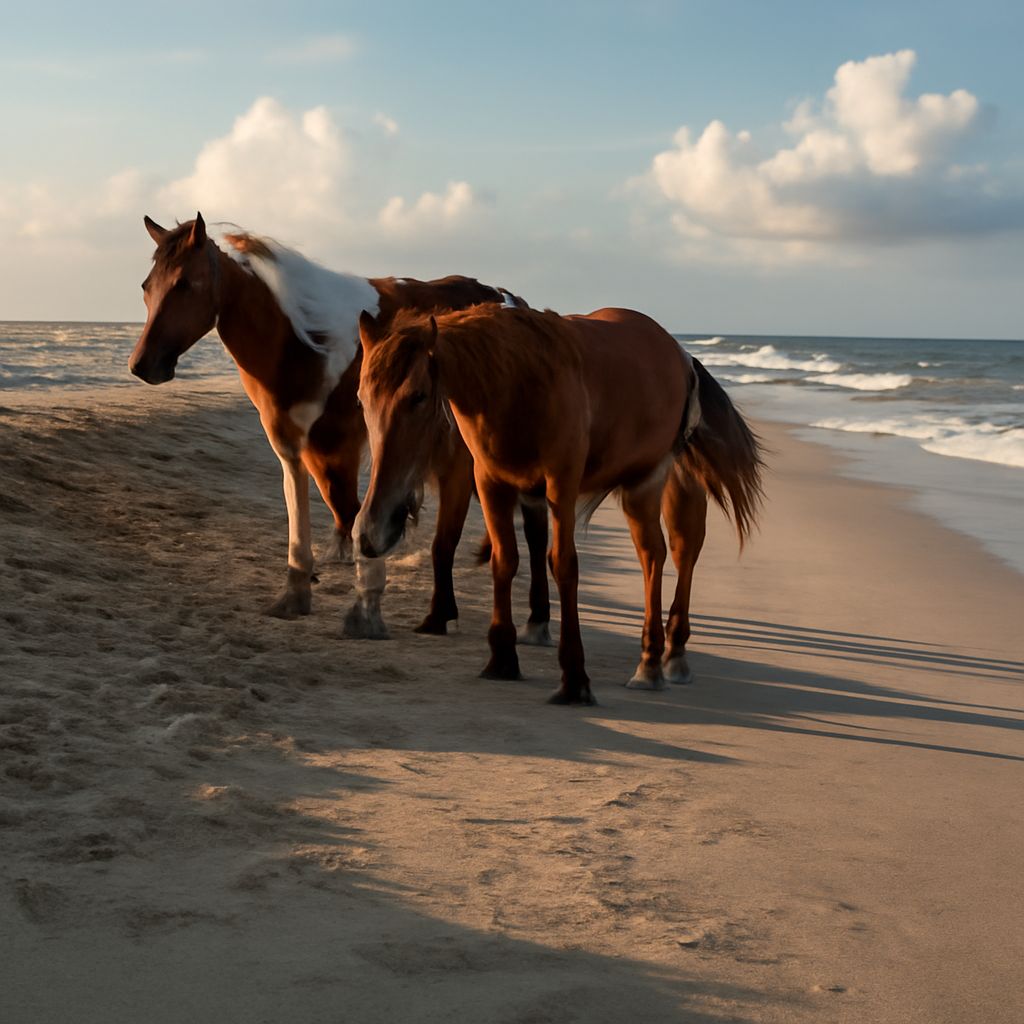
Assateague Island offers a distinct blend of quiet shores and wild seascapes, making it an inviting location for restorative sleep. The lull of the Atlantic and the presence of unique wildlife set the stage for an overnight experience unlike any other. For visitors seeking uninterrupted rest, understanding the environmental nuances and selecting the right sleep tips for Assateague Island becomes essential for a peaceful night.
Those staying on Chincoteague and Assateague Islands often encounter specific challenges—variable weather, coastal winds, and curious wild ponies. Applying practical strategies and choosing suitable sleep gear for Chincoteague and Assateague Islands can transform a good night’s sleep from wishful thinking into a reliable reality, even in the heart of untamed nature.
Why Sleep Matters on Assateague Island
Restorative sleep is a cornerstone of health, but on Assateague Island, it takes on extra significance. The island’s remote setting, with minimal artificial light and reduced noise pollution, can promote deeper rest. However, the absence of urban comforts means campers and overnight guests must be thoughtful about how and where they rest. Inadequate sleep may leave visitors fatigued, affecting both safety and enjoyment during daytime exploration of the barrier island’s famous dunes and marshes.
The environment on Assateague, shaped by shifting sands and salty air, challenges typical sleeping habits. For example, humidity and temperature can fluctuate by several degrees overnight, especially in late spring or early autumn. Adapting to these conditions, such as layering clothing or using moisture-wicking materials, helps prevent discomfort from dampness or sudden chills that can disrupt sleep cycles.
Sleep is further impacted by the island’s wildlife. The gentle soundscape of seabirds and distant breakers is largely soothing. Still, occasional movements from wild ponies or nocturnal creatures require vigilance—a secure tent or closed camper is crucial. By prioritizing sleep and planning for these variables, visitors are more likely to wake refreshed, ready to enjoy the sunrise over the Atlantic or embark on a morning hike without feeling groggy.
Best Spots to Sleep on Assateague Island
Assateague National Seashore and the Maryland State Park both offer designated camping areas, with each spot offering distinct advantages. Oceanside sites provide the calming sound of waves and easier beach access, but they also expose sleepers to stronger winds and salt spray. Bayside locations, in contrast, offer more shelter and a quieter, marsh-framed setting, which can mean less wind but potentially more insects at dusk.
Securing a campsite in advance is strongly recommended, as peak seasons see reservations fill up weeks ahead. Camping platforms and drive-in sites offer options for both tent and RV setups. For those sensitive to ground conditions, choosing a site with natural windbreaks—such as low dunes or stands of coastal vegetation—can significantly improve comfort. Checking recent reviews and site maps provides useful, up-to-date information about shifting sandbars or temporary closures due to wildlife activity or high tides.
Each site has its own character, shaped by proximity to the water and exposure to the elements. For instance, some campers prefer a short walk from their tent to the boardwalks for sunrise photography or early morning birdwatching. Others choose sites closer to public amenities, such as restrooms and potable water spigots, to make nighttime routines easier. Whichever location is chosen, careful consideration of the terrain and wind direction contributes to a better night’s rest.
Essential Sleep Gear for Chincoteague and Assateague Islands
Choosing the right sleep gear is vital for comfort and safety on both Chincoteague and Assateague Islands. Tent materials must be durable enough to withstand gusty coastal breezes, with guy lines and secure stakes necessary for sandy ground. Many campers recommend a double-walled tent with a sturdy rainfly to handle moisture from fog or passing showers. Additionally, a ground tarp or footprint helps insulate against damp sand and adds a layer of protection from abrasive shells.
Sleeping pads should offer both insulation and cushioning—closed-cell foam pads or inflatable mats rated for three seasons are popular choices. For those prone to feeling cold, a sleeping bag rated for temperatures 5–10°F lower than the expected overnight lows helps maintain warmth during unexpected dips. Lightweight blankets are a useful addition for those sleeping in campers or for layering during variable weather.
Other must-haves include insect netting or head nets, given the prevalence of mosquitoes at certain times of the year. Portable fans or battery-operated lanterns can improve air circulation and visibility, aiding relaxation before sleep. For Chincoteague and Assateague Islands specifically, bear-proof storage is not required, but food should be secured in hard-sided containers to deter raccoons and curious horses. Combining these items, campers can address the twin challenges of exposure and unpredictability that define overnights on both islands.
Tips for a Restful Night on Assateague Island
Preparation is key to sleeping well on Assateague. Establishing a simple, consistent sleep routine helps signal to the body that it’s time to rest, even when surrounded by unfamiliar sounds. Setting up camp before dusk allows time to adjust gear, check tent seams for gaps, and ensure all bedding is dry before nightfall. Taking a brisk walk after dinner can help expend energy and make it easier to unwind once inside the tent or camper.
Addressing noise and light is important for sensitive sleepers. Earplugs muffling wind or animal sounds, and sleep masks blocking moonlight or distant lanterns, can make a substantial difference. For those who find it difficult to fall asleep without familiar background noise, bringing a portable white noise machine or preloaded phone app can replicate the comfort of home.
Regulating temperature is another challenge. Layering sleep clothing and ventilating the tent as needed prevents both overheating and condensation. If chilly air rolls in from the bay or ocean, using a hot water bottle or chemical hand warmers tucked into a sleeping bag can provide steady warmth for several hours. Checking weather forecasts and adjusting gear nightly ensures continued comfort over multi-night stays.
Comparing Chincoteague and Assateague Islands for Overnight Stays
While Assateague Island is renowned for its oceanfront camping and unspoiled scenery, Chincoteague offers more developed amenities, including motels, inns, and vacation rentals. Those preferring structured accommodations may gravitate toward Chincoteague, where sleeping surfaces are predictable and climate control is available. However, this comes at the expense of the wild, immersive experience found on Assateague’s beaches and in its campgrounds.
Assateague’s camping experience is defined by the sound of surf, the sight of wild horses, and a sense of immersion in nature. Chincoteague’s lodging is better suited for those seeking indoor plumbing, electricity, and protection from coastal storms. The two islands are connected by a short drive, so visitors may sample both environments during the same trip—camping under the stars and retreating indoors when weather turns unfavorable.
Deciding between the islands depends on tolerance for environmental variability, desired privacy, and willingness to adapt sleep routines. Many travelers find that alternating a night on each island offers the best balance of convenience and adventure, with restful sleep achievable through planning and the right gear choices.
Frequently Asked Questions About Sleeping on Assateague Island
Can you sleep directly on the beach? No, overnight camping is only allowed in designated areas. Sleeping outside these zones, even on the sand, is not permitted and can result in fines.
What is the best season for sleeping comfortably outdoors? Late spring and early fall typically offer moderate temperatures, fewer insects, and quieter campgrounds, making them popular choices among experienced visitors.
Are there quiet hours enforced? Yes, quiet hours are typically from 10 p.m. to 6 a.m. in most campground areas. These are strictly enforced to ensure all guests have an opportunity for undisturbed rest.
What do you do if wild horses approach your tent? Keep all food sealed and stay inside your shelter. Horses are usually curious but should not be fed or approached. If you notice persistent horse activity, notify park staff at the earliest opportunity.