Arthritis affecting the hip can cause pain, stiffness, and difficulty with movements such as walking or putting on shoes. The discomfort may be felt in the groin, thigh, buttock, or even the knee. These possible signs of arthritis in the hip do not establish a diagnosis: other joint, muscle, and nerve problems can produce similar sensations. A clinician can consider the pattern together with an examination and any tests that are needed.
Arthritis is a broad term for conditions affecting joints. Osteoarthritis is one common type, while inflammatory forms such as rheumatoid arthritis can also affect the hip. The type and the person’s symptoms influence the discussion of care.
Symptoms of Hip Arthritis: Where Pain May Be Felt
Hip arthritis symptoms often include pain and stiffness that make everyday movement less comfortable. With arthritis in the hip, symptoms may be noticed when walking, standing after sitting, getting in and out of a car, or reaching toward the feet. The precise pattern varies, and a person may have easier and harder days.
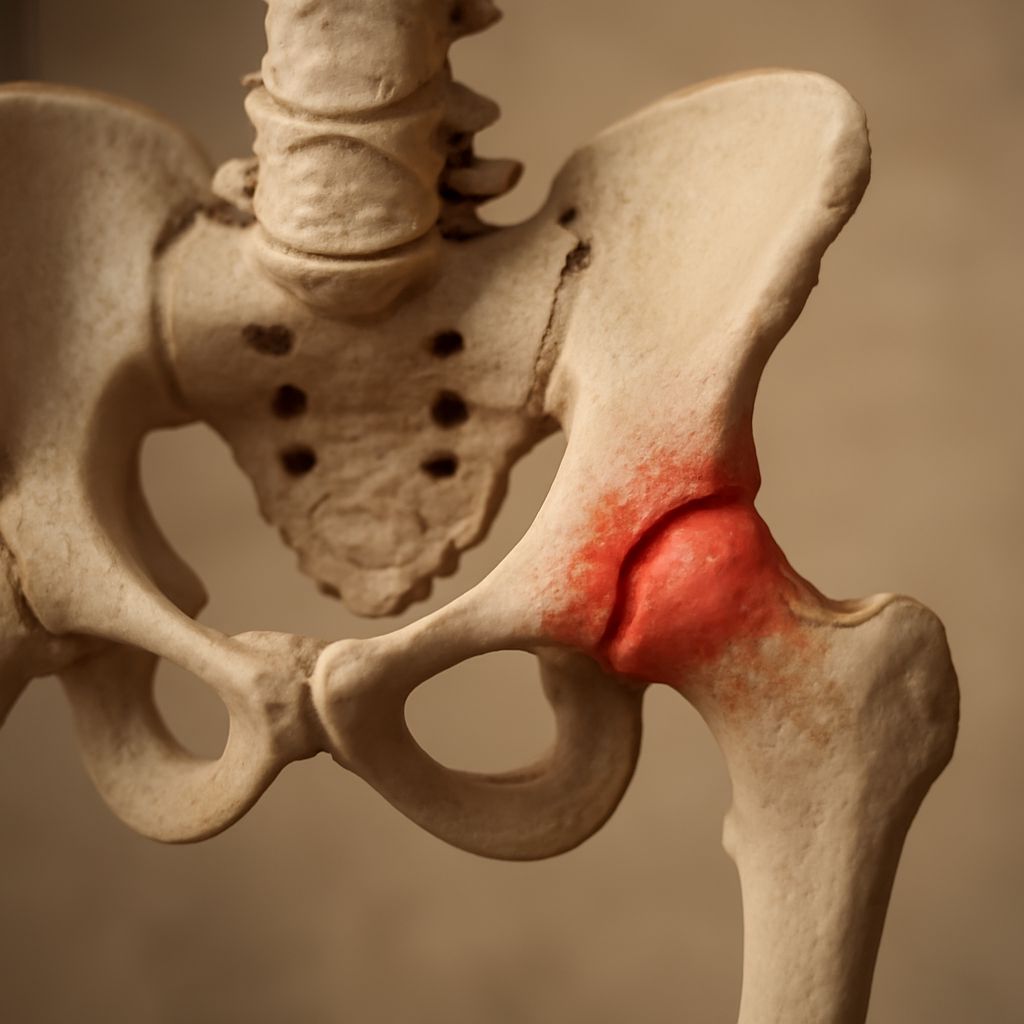
The hip is a ball-and-socket joint deep in the body. Pain from the joint may be felt in the groin or front of the thigh rather than directly over the outside of the hip. It can sometimes be felt at the knee. A Whittington Health patient guide describes groin, front-of-leg, and sometimes knee pain with a hip joint problem.
With hip arthritis, pain down the leg may raise questions about whether the hip or back is responsible. Pain that travels into the thigh or toward the knee can occur with a hip joint problem, while nerve irritation or another condition can also produce pain down the leg. The path of the pain is one clue; it cannot identify the cause on its own. Tell a clinician about tingling, numbness, or weakness as well as where the pain travels.
Stiffness and changes in daily activities
The signs of hip arthritis can include reduced movement as well as pain. A person might find it harder to rotate the hip to put on a sock, take a long stride, or get out of a low chair. Stiffness may be noticeable after a period of rest. The duration of morning stiffness and whether other joints are affected are useful details for a clinician because different types of arthritis can have different patterns.
With arthritis, hip pain symptoms can change how a person moves. Someone may shorten a stride or avoid a staircase because it is uncomfortable. These changes can affect routine activities and sleep, even when the pain is not constant. Describing the task that has become difficult helps the clinician understand the impact beyond a pain score.
Pain can also vary with activity and time. Some people notice an ache after walking; others experience stiffness when first moving after sitting. A single difficult day cannot show how quickly a condition will progress. A record of changes over several weeks can make the discussion more precise.
Why similar symptoms can have different causes
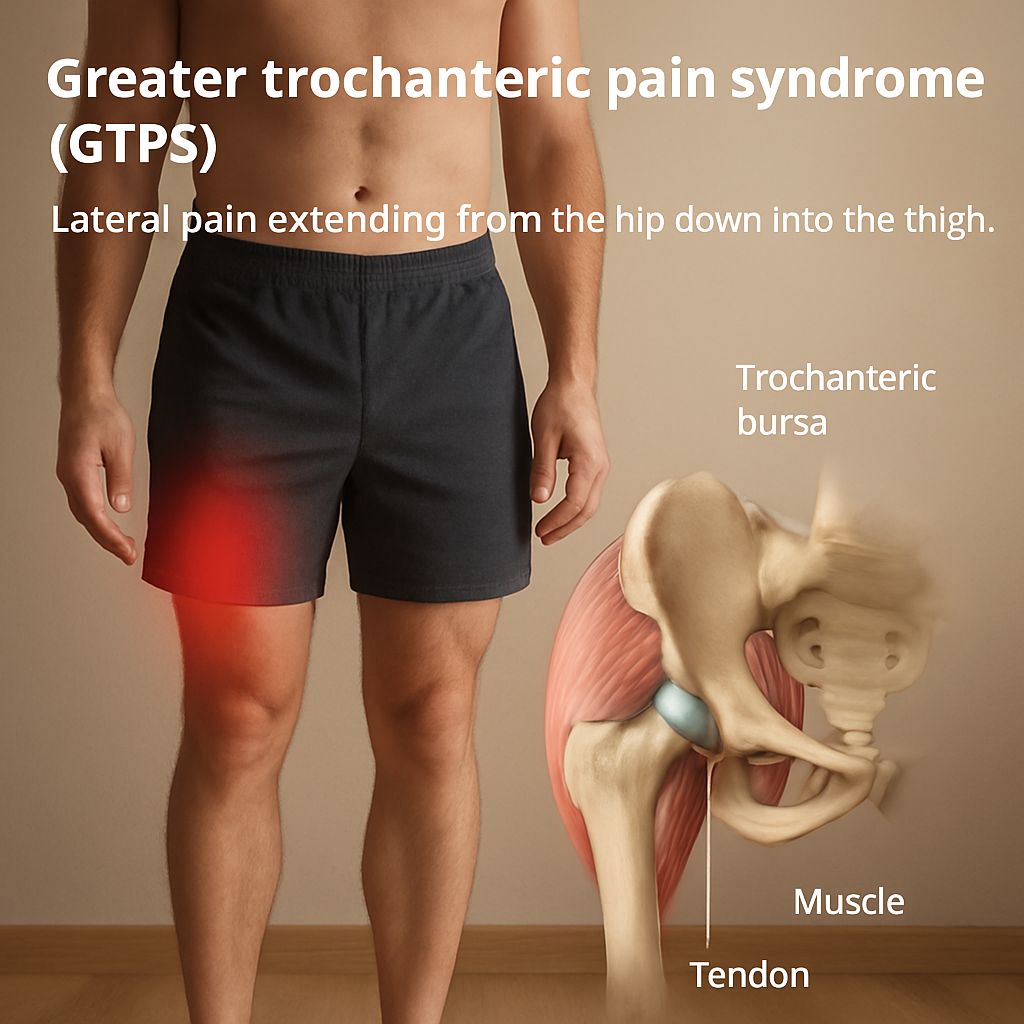
With hip pain, arthritis is one possible explanation, but it is not the only one. The NHS guide to hip pain lists injuries, tendon problems, bursitis, and different forms of arthritis among possible causes. Pain on the outside of the hip, for example, can arise from structures around the joint; the pattern and examination help distinguish them.
A clinician will ask where discomfort is felt, whether it began suddenly or gradually, and which movements change it. Information about previous injuries, other painful joints, health conditions, and medicines is also relevant. An examination may include observing walking and checking hip movement and strength. Imaging may be considered when it can help answer a clinical question, alongside the history and examination.
If pain is associated with tingling, numbness, or weakness, mention those symptoms. They can help direct an assessment toward the back or nerves as well as the hip. Similarly, describe whether the discomfort stays in the groin or spreads down the thigh; the clinician can use the complete picture to decide what to investigate.
Care and when to seek assessment
For arthritis in the hip, treatment depends on the type of arthritis, its impact, and the person’s health and goals. A clinician may discuss physical activity, physical therapy, pain relief, or other treatments where appropriate. The aim is to help maintain movement and manage symptoms with a plan suited to the individual; the presence of hip discomfort alone does not determine which treatment is needed.
Some people find it helpful to adjust activities while awaiting an appointment, such as breaking a long walk into shorter periods or choosing a supportive chair. A comfortable sleep position can make rest easier. A pharmacist or clinician can discuss pain relief in light of other medicines and health conditions. A personalized exercise plan should take account of the diagnosis and the person’s abilities.
Arrange a medical visit if hip pain affects sleep or normal activities, worsens, returns, or does not improve. Stiffness lasting more than 30 minutes after waking is another reason to seek advice. These details can help a clinician distinguish the possible causes of joint symptoms.
Seek urgent medical care for sudden severe hip pain without an injury, a hot or swollen hip, or hip pain with fever or feeling unwell. After a fall, severe pain or an inability to walk or bear weight requires emergency assessment. A joint infection or fracture may need prompt treatment; these signs should not be attributed to an existing diagnosis without review.
Prepare for the appointment
A useful description of symptoms of hip arthritis includes more than the location. Before the visit, note when pain and stiffness began, whether they spread toward the knee or farther down the leg, how long morning stiffness lasts, and which activities or sleep positions are affected. Include any tingling, weakness, fever, injury, and treatments already tried.
Bring that short record to the appointment and ask what the examination suggests, whether further tests are needed, and which activities are appropriate while the cause is being assessed. The answers can turn a general description of hip joint symptoms into a plan based on the person’s actual circumstances.