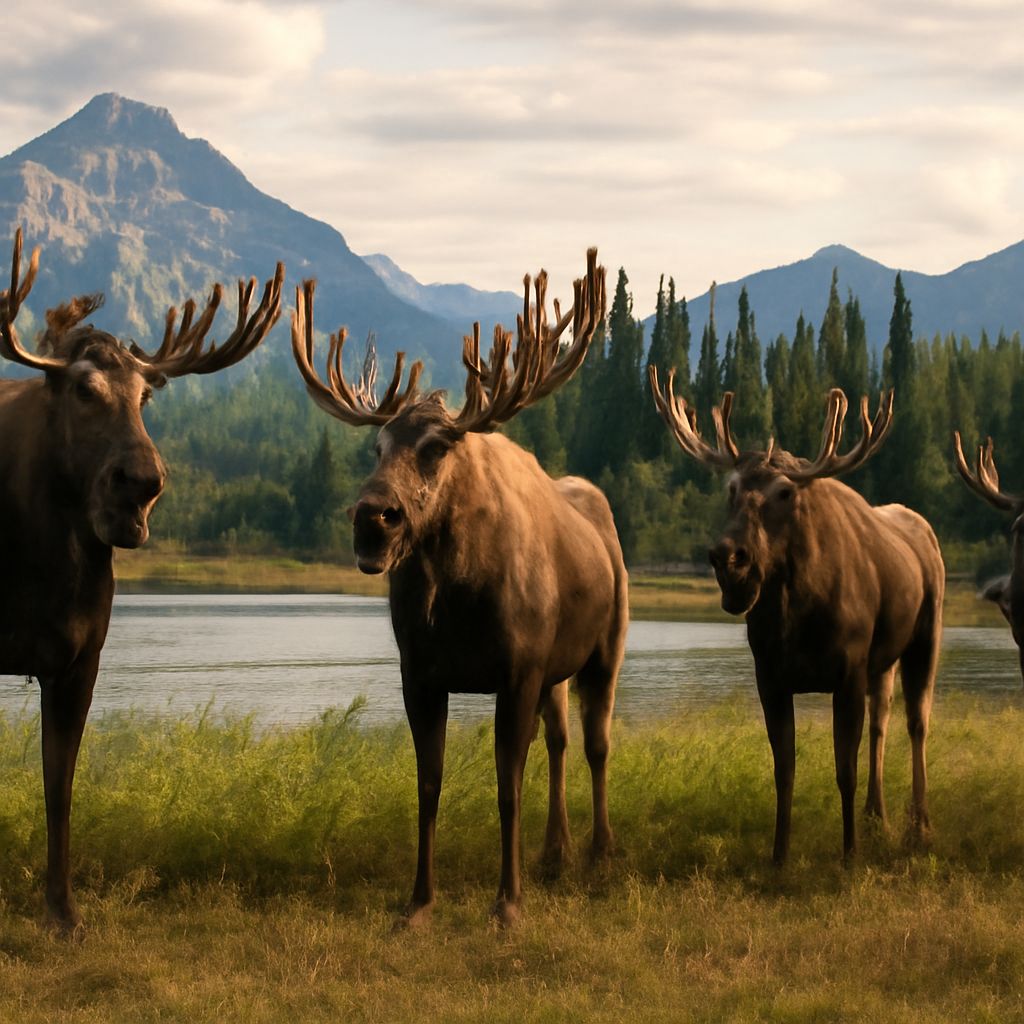
Discovering the majestic moose offers a glimpse into the fascinating world of wildlife, where understanding these creatures enhances our appreciation for nature. This comprehensive guide delves into the distinct features of Canadian moose and Shiras moose, offering insights into their habitats and behaviors. Explore the contrasts between elk and moose to uncover the unique qualities that make each species remarkable.
Elk vs Moose: Key Differences
While elk and moose are often confused due to their similar appearances, several key differences set them apart. The antlers of the moose, for instance, are broad and flat, contrasting with the elk’s more pointed, branching antlers. Moose typically have a more robust and muscular build, suited for their colder habitats.
Behaviorally, moose are more solitary than elk, which often form large herds. This difference lends to varied social structures and mating behaviors. Furthermore, moose prefer dense, forested regions, whereas elk are found in open, grassy plains, contributing to their distinct adaptations and survival strategies.
Exploring the Shiras Moose
Habitat and Range
The Shiras moose, a subspecies of the North American moose, inhabits the Rocky Mountains, spanning from Wyoming to Washington. This region’s varied terrain offers the Shiras moose a mix of dense forests and open meadows, crucial for their browsing habits. Unlike other moose subspecies, the Shiras is adapted to slightly warmer climates, demonstrating impressive adaptability.
Physical Characteristics
Known for their smaller size, Shiras moose are distinct from their Canadian counterparts. Despite their stature, they possess the characteristic long legs and heavy bodies typical of moose. Their dark brown coats provide camouflage in the forested areas, while their large nostrils and acute hearing aid in detecting predators.
The Canadian Moose Experience
Canadian moose, the largest of the moose species, are iconic in the vast Canadian wilderness. Their habitats stretch from the eastern provinces to the western expanses, where they thrive in colder climates. The Canadian moose’s impressive antlers, which shed and regrow annually, can span over six feet, serving as a symbol of strength and vitality.
Moose sightings are common in national parks across Canada, where visitors can witness these gentle giants in their natural environment. Engaging with moose in the wild offers a unique opportunity to observe their foraging behavior, often involving aquatic plants in lakes and ponds, which supplements their nutrition.
Bottom line: Moose, whether Shiras or Canadian, are remarkable creatures that highlight the diversity within their species. Understanding the differences between elk and moose enriches our knowledge and appreciation of these majestic animals. Observing them in their natural habitats underscores the importance of conservation efforts in preserving these unique wildlife experiences.