Breathing normally continues without conscious effort during sleep. With sleep apnea, breathing repeatedly stops or becomes reduced during the night. These interruptions can disturb rest and affect oxygen levels, sometimes without fully waking the person. A sleep-related breathing disorder can therefore be present even when someone believes they slept through the night.
The two main forms differ in their cause. One involves a narrowed or blocked upper airway; the other involves a problem with the signals that control breathing. Symptoms and a sleep study help a clinician identify what is happening and discuss appropriate treatment.
Sleep.apnea: What Happens to Breathing?
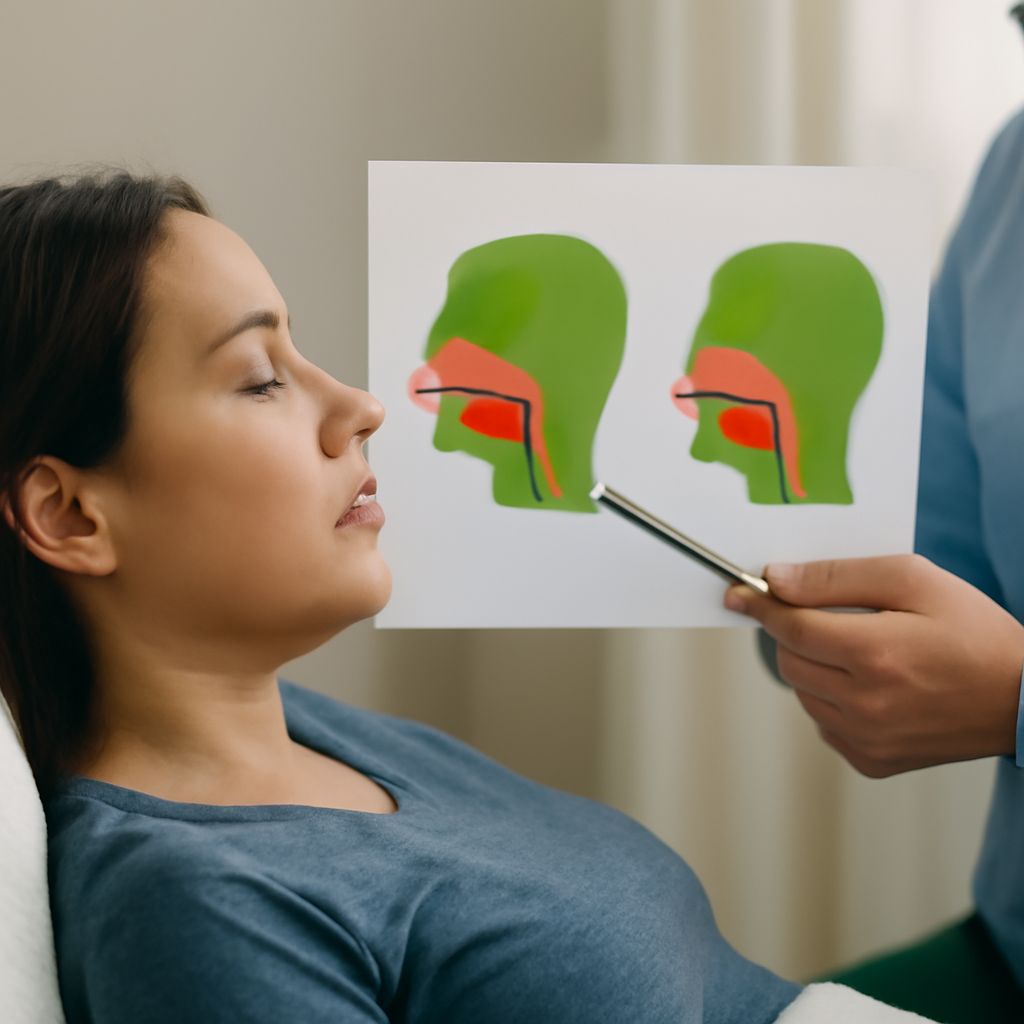
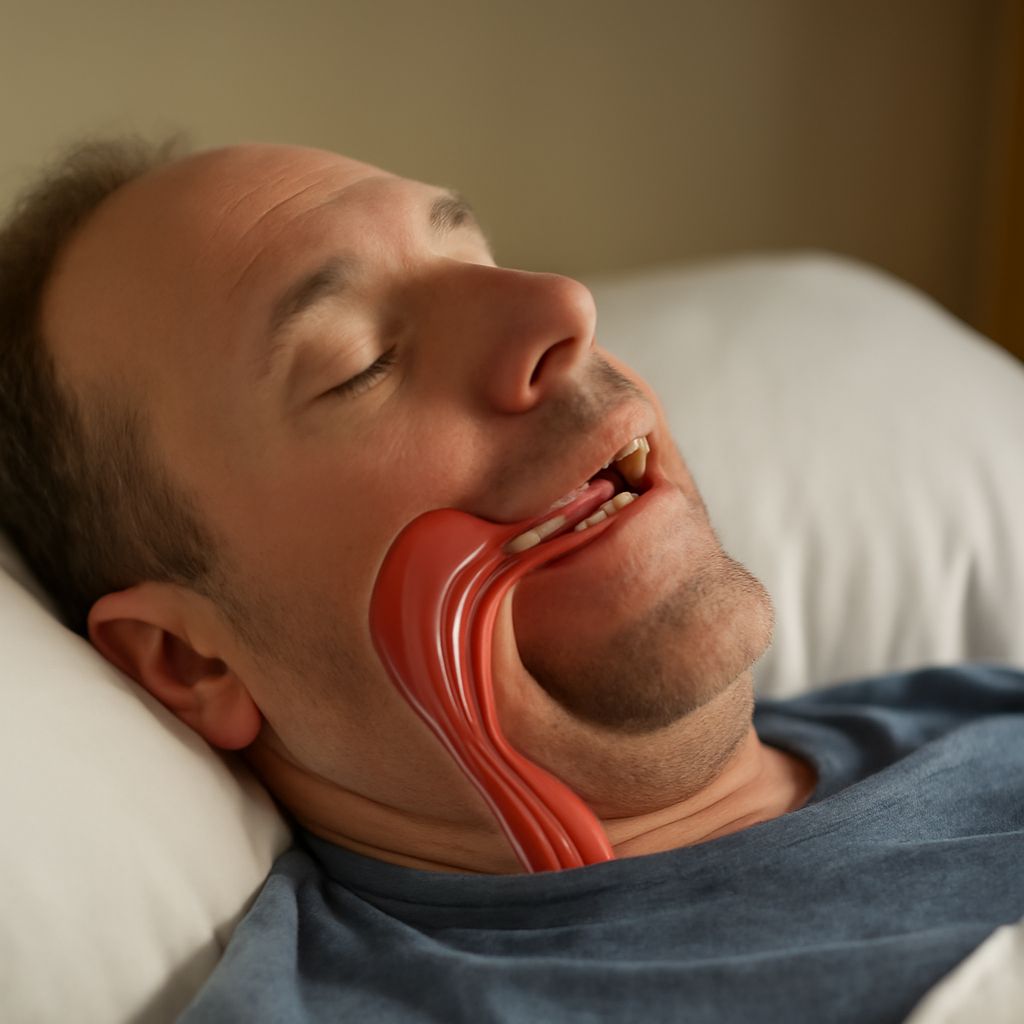
In obstructive sleep apnea, muscles relax during sleep and the upper airway becomes narrowed or blocked repeatedly. Breathing effort continues, but air cannot move normally. The interruption may end with a brief arousal, a snort, or a gasp as breathing resumes. These arousals can be so short that the person does not remember them.
Central sleep apena has a different mechanism. The brain temporarily fails to send the signals needed to breathe. Some people have both obstructive and central events. The type matters because the evaluation and treatment plan may differ.
A single pause observed by a partner cannot establish a diagnosis of this sleep-related breathing disorder. A clinician considers the pattern of breathing events and the person’s symptoms together. A test can also help distinguish a breathing problem from other reasons for restless sleep or tiredness.
Signs that may prompt a conversation
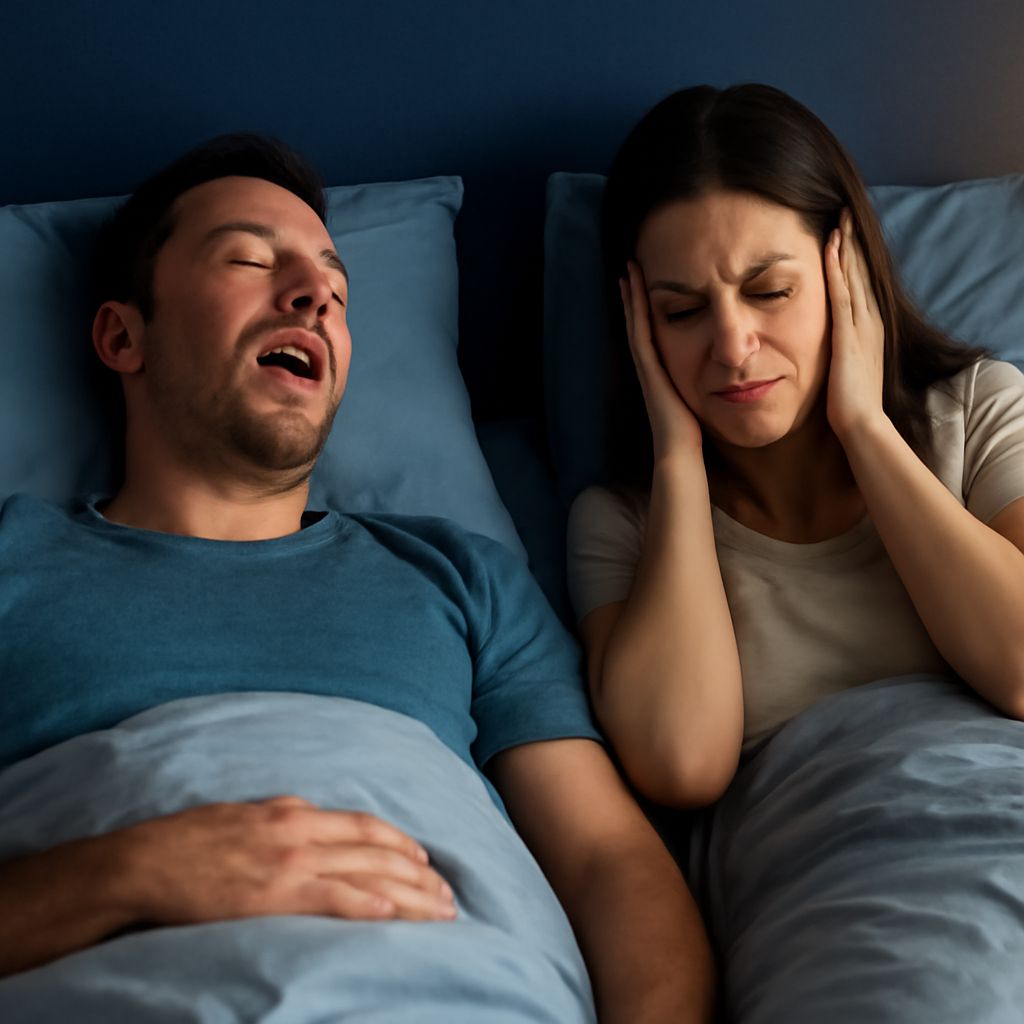
Loud, frequent snoring is a common sign of obstructive sleep apne, as are pauses in breathing noticed by another person and waking with a gasp. Not everyone who snores has this disorder of breathing during sleep, and not everyone with the disorder has obvious snoring. A person who sleeps alone may have no witness to the nighttime symptoms.
Daytime clues can include sleepiness, fatigue, difficulty concentrating, or a morning headache. Some people wake with a dry mouth or get up frequently during the night to urinate. Others notice insomnia or feel unrefreshed despite spending enough time in bed. These signs have several possible causes, so the overall pattern matters.
Sleep apneia may look different in children. According to the National Heart, Lung, and Blood Institute, children can have attention difficulties, bedwetting, or increased activity as well as nighttime breathing symptoms. A child’s clinician can assess these signs in context.
Sleep apnes symptoms are not always noticed by the person experiencing them. A partner’s description can be helpful: whether snoring is frequent, whether breathing seems to stop, and whether gasping follows. It is also useful to describe daytime effects, such as falling asleep unintentionally or struggling to stay alert. A person who is too sleepy to drive safely should avoid driving and seek medical advice promptly.
Why repeated interruptions matter
Repeated sleep.apnea events can lower oxygen levels and fragment sleep. Even brief arousals can prevent the steady rest needed for daytime attention and functioning. That can affect concentration, memory, reaction time, and mood.
Untreated sleep apmea is also associated with an increased risk of high blood pressure, heart attack, and stroke. Risk varies between individuals, and a diagnosis does not mean that any one outcome is inevitable. The concern is sufficient to make recurring symptoms worth discussing, especially when a person already has cardiovascular problems.
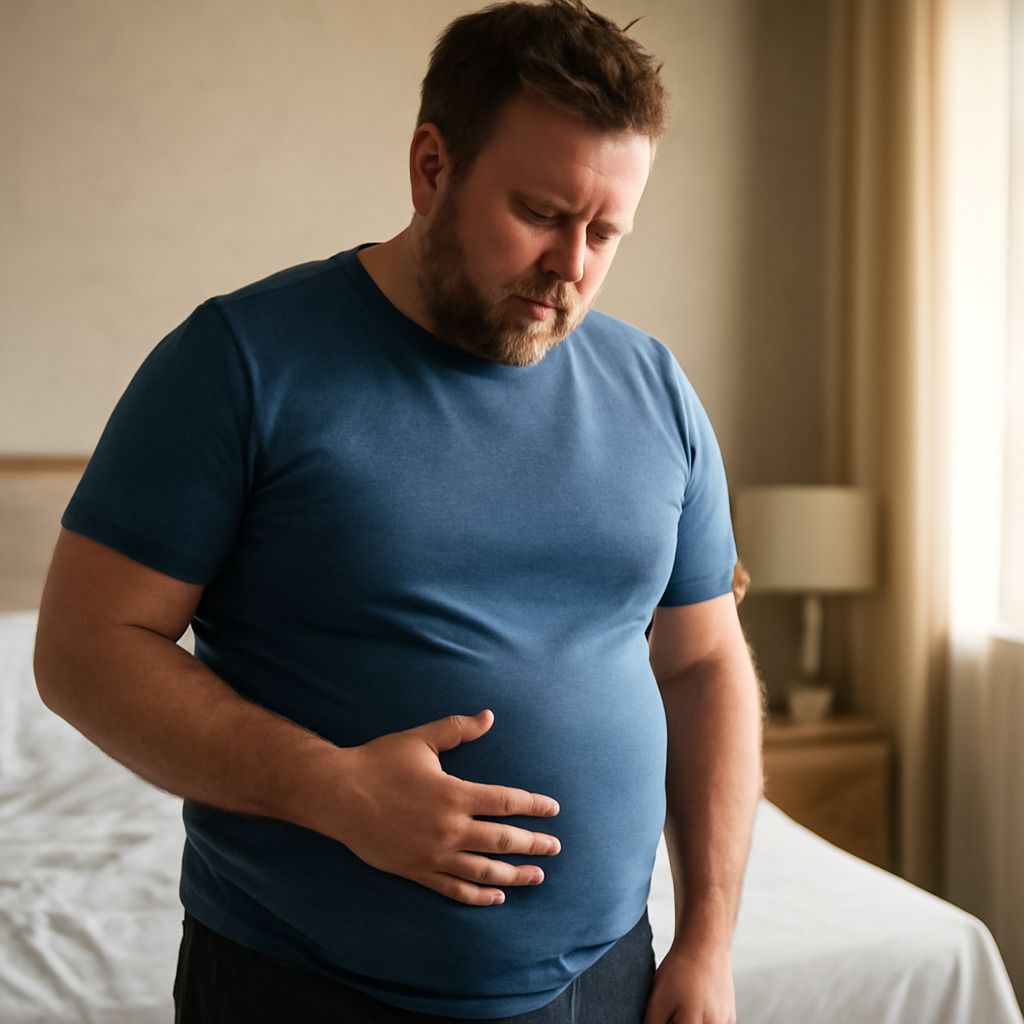
Several factors can increase the chance of obstructive events, including features of the jaw and airway, age, and excess body weight. Family history and certain health conditions can also matter. This nighttime breathing disorder occurs in people of different body sizes, so appearance alone cannot rule it in or out.
How a clinician checks for it
The appointment usually begins with questions about sleep, snoring, breathing pauses, daytime symptoms, medications, and medical history. The clinician may ask about work hours and other sleep problems, because insufficient sleep and several medical conditions can also cause fatigue. Information from a bed partner can add details the patient cannot observe directly.
A sleep study records breathing and other body signals during sleep. Depending on the situation, testing may be performed at home or at a sleep center. The choice depends on the suspected disorder and the person’s health. A home test may be appropriate for some adults with suspected obstructive disease; a clinician can decide when a more detailed laboratory study is needed.
The study helps show whether breathing events occur, how often they occur, and how oxygen is affected. The clinician interprets the results alongside symptoms and history. If the recording does not adequately explain the symptoms, further evaluation or another test may be considered.
Treatment depends on the findings
For obstructive sleepapnea, a common treatment is continuous positive airway pressure, or CPAP. A bedside machine delivers air through a mask to help keep the airway open during sleep. A different pressure device, an oral appliance fitted by a qualified dental professional, or another approach may be considered depending on the findings and circumstances.
Treatment can also address factors that make obstruction worse. A clinician may discuss weight management when appropriate, sleeping position, alcohol or sedating medicines, and treatment of related conditions. Medicines should not be stopped or changed without the prescribing clinician’s guidance. Surgery is an option for selected people when the anatomy and clinical situation support it.
For central sleep apenea, treatment may focus on the underlying cause as well as supporting breathing. The plan depends on the medical conditions and the pattern seen in testing. Follow-up matters for either type of sleep-related breathing disorder: if a mask is uncomfortable, symptoms continue, or the treatment is difficult to use, the clinician can review the fit and discuss adjustments.
Is a sleep study always done at a sleep center?
No. Some people can have a home test, while others need an overnight study at a sleep center. A clinician chooses the test based on the suspected type of sleep apea, other health conditions, and the information needed to reach a reliable diagnosis.