Exploring the intricate relationship between stress and sleep apnea can offer insights into managing these interconnected conditions effectively. Stress and anxiety often exacerbate sleep disorders, leading to complications such as sleep apnea dry mouth, sore throat, and interrupted sleep cycles. Furthermore, understanding whether factors like allergies cause sleep apnea can help individuals identify triggers and mitigate their impact on restful sleep.
By diving deeper into the role of stress and allergies in sleep apnea, individuals can implement practical strategies to alleviate symptoms and improve overall well-being. This exploration will focus on the connections between mental health, environmental triggers, and the physiological manifestations of sleep disorders.
How Stress and Anxiety Impact Sleep Apnea
Understanding the Role of Stress
Stress can significantly affect sleep quality and exacerbate conditions such as sleep apnea. When the body responds to stress, it releases hormones like cortisol, which can disrupt the sleep cycle. This hormonal imbalance often leads to restless nights and a heightened state of alertness, preventing the body from entering deep sleep stages crucial for restoration.
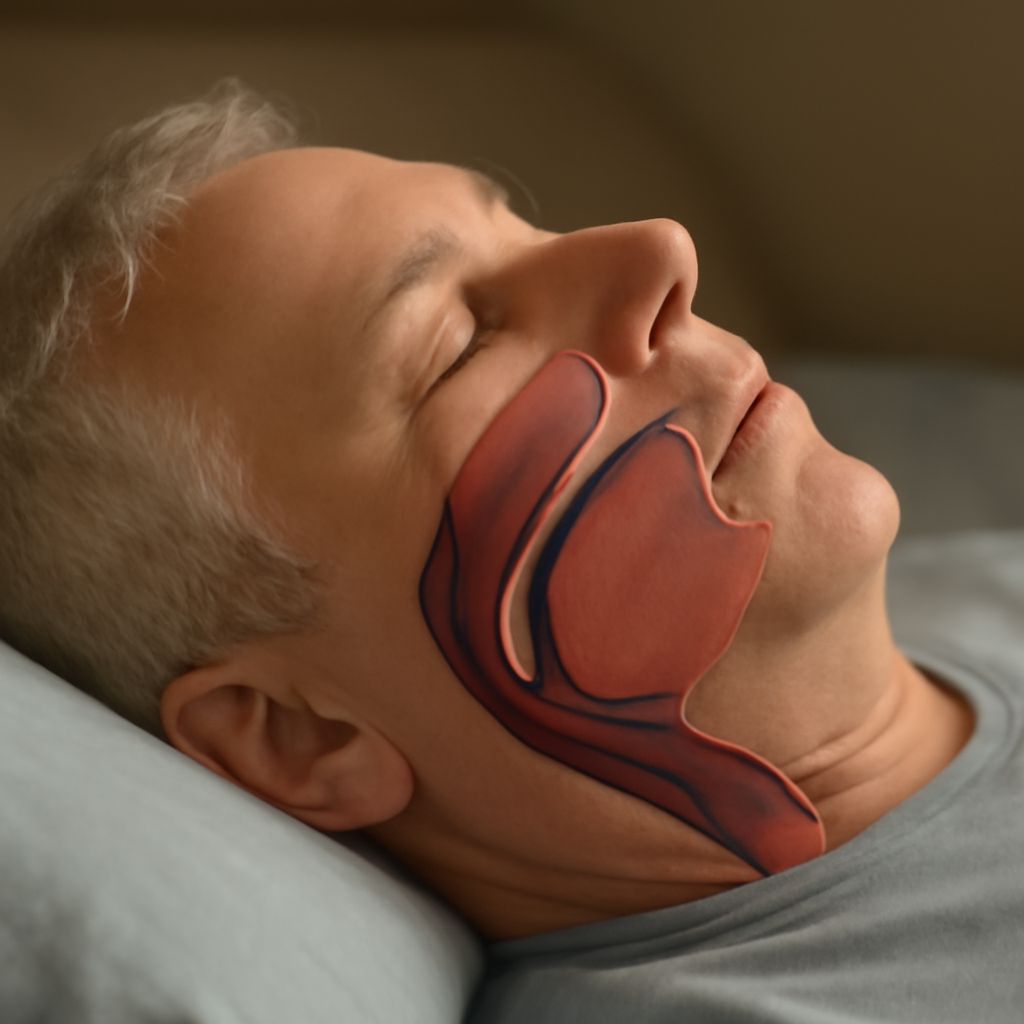
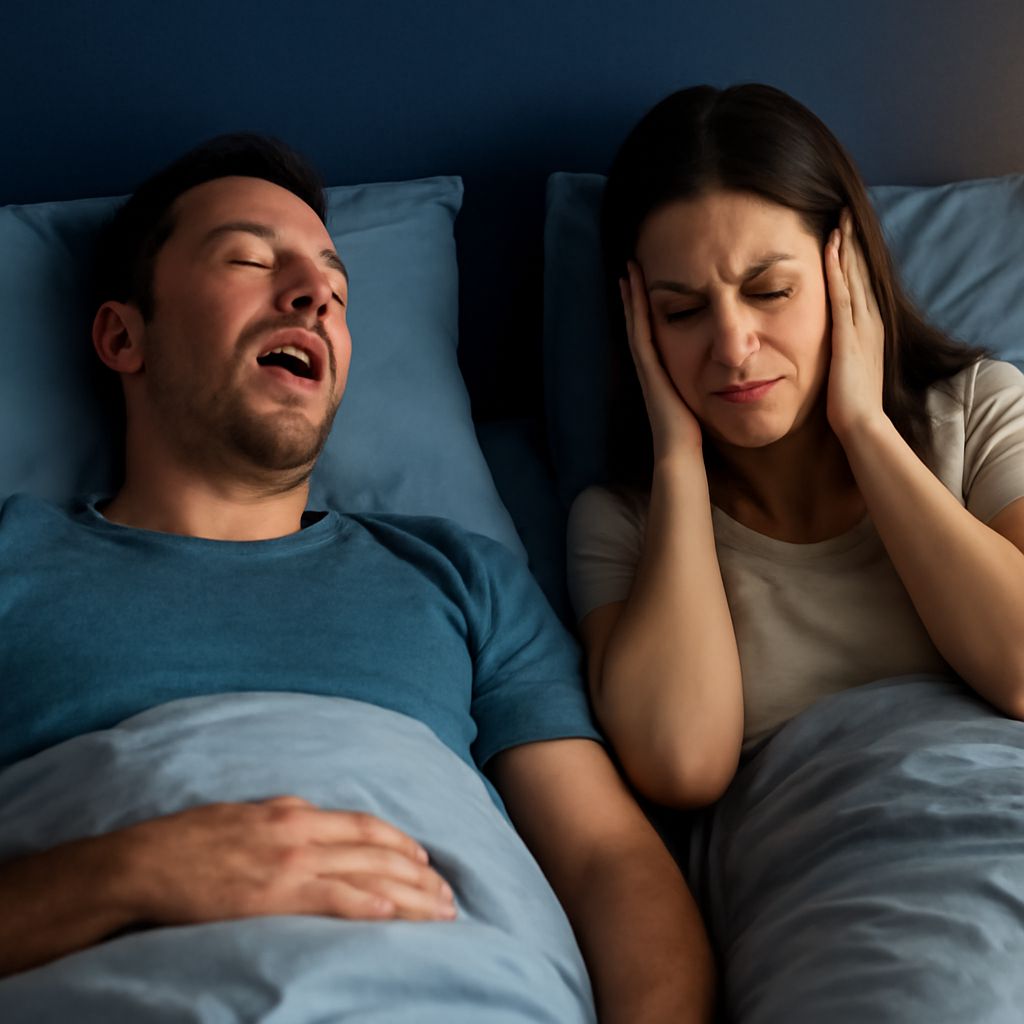
Moreover, stress can exacerbate existing sleep apnea symptoms, making them more severe. The constant state of tension can cause muscles in the throat to tighten, contributing to airway obstruction, a hallmark of sleep apnea. These interruptions in breathing can lead to frequent awakenings, causing a vicious cycle of stress and poor sleep quality.
Stress Management Techniques for Better Sleep
Implementing effective stress management techniques is essential for individuals experiencing sleep apnea symptoms. Mindfulness practices, such as meditation and controlled breathing exercises, can help reduce stress levels. These practices encourage relaxation and promote a state of calmness, aiding in the reduction of symptoms associated with sleep apnea.
Additionally, maintaining a regular sleep schedule and creating a sleep-friendly environment can help mitigate stress-induced sleep disturbances. Establishing a bedtime routine that includes winding down activities such as reading or taking a warm bath can prepare the body for restful sleep.
Allergies and Their Link to Sleep Apnea
How Allergies Contribute to Sleep Apnea
Allergies are another significant factor that may contribute to the onset or worsening of sleep apnea symptoms. Allergic reactions can cause nasal congestion and inflammation, which obstruct airflow and exacerbate breathing difficulties during sleep. This can lead individuals to experience sleep apnea dry mouth due to mouth breathing, further complicating their condition.
Common allergens such as pollen, dust mites, and pet dander must be managed effectively to reduce their impact on sleep. Utilizing air purifiers, allergen-proof bedding, and maintaining a clean sleeping environment are practical steps individuals can take to minimize allergy-related sleep disturbances.
Common Symptoms of Sleep Apnea
Dealing with Sleep Apnea Dry Mouth and Sore Throat
Sleep apnea symptoms often manifest as physical discomforts, including dry mouth and a sore throat upon waking. These symptoms occur due to the frequent opening of the mouth during sleep, which dries out the oral cavity. Addressing these symptoms involves staying hydrated and using humidifiers to add moisture to the air.
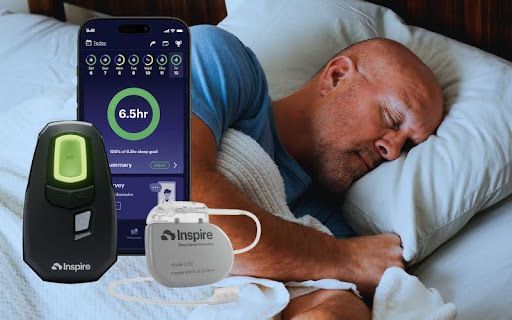
Moreover, individuals might explore using specialized mouthpieces or CPAP (Continuous Positive Airway Pressure) machines to alleviate these discomforts. Such devices are designed to keep airways open and ensure smooth airflow, reducing the occurrence of sleep apnea symptoms.
Experiencing Sleep Apnea While Awake
While sleep apnea primarily affects individuals during sleep, its symptoms can also manifest while awake. Daytime fatigue, difficulty concentrating, and mood swings are common experiences for those with untreated sleep apnea. These symptoms arise due to the interrupted sleep cycles that fail to provide adequate rest.
Addressing these daytime symptoms involves improving sleep quality through consistent sleep hygiene practices and, if necessary, seeking medical interventions. Consulting healthcare providers for a comprehensive evaluation can aid in determining appropriate treatment options, ensuring that individuals manage both nighttime and daytime symptoms effectively.