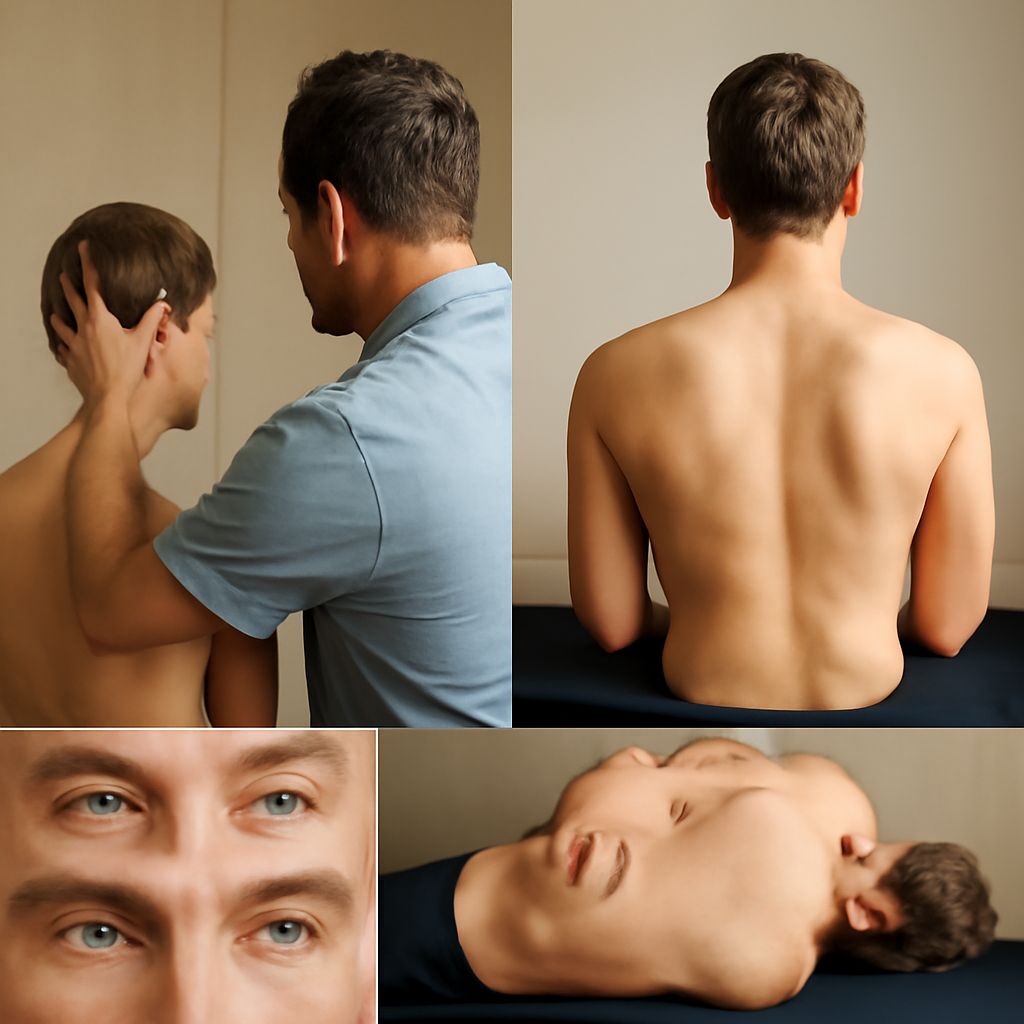
Understanding different types of headaches and their locations can provide significant relief and improve quality of life. By utilizing a headache chart, individuals can identify specific headache types like those occurring at the back of the head or in the temples. This knowledge aids in recognizing patterns, understanding potential causes, and finding effective solutions.
Whether dealing with a back of head headache or headaches in temples, knowing the underlying triggers can help manage the pain more efficiently. Explore this guide to uncover the causes and remedies associated with various headache types and locations.
What Causes a Back of Head Headache?
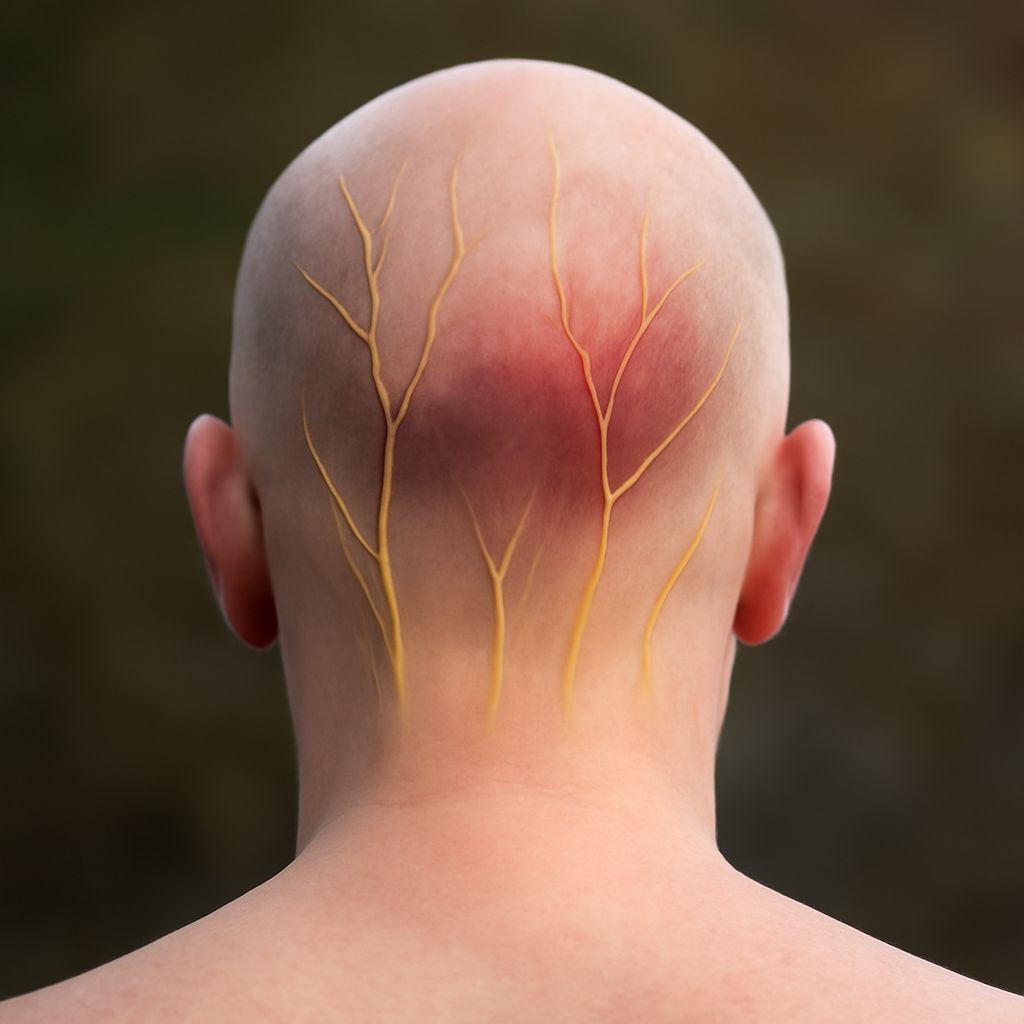
Back of head headaches can arise from several underlying issues. They often result from tension in the neck, poor posture, or stress, which can lead to muscle strain. Additionally, occipital neuralgia, a condition where the nerves running from the spinal cord to the scalp become inflamed, can cause sharp, jabbing pain in this area.
Other potential causes include high blood pressure, which may result in a throbbing sensation at the back of the skull. It’s crucial for individuals suffering from these headaches to assess their lifestyle factors, such as ergonomic setups or stress levels, to identify any contributing elements.
Using a Headache Chart to Identify Pain
A headache chart is a valuable tool for pinpointing the specific nature and origin of head pain. By examining the chart, individuals can compare their symptoms to various headache types and locations. This visual aid helps in differentiating between common headaches and those requiring medical attention.
For instance, if a headache chart indicates pain localized in the temples, it might suggest tension or migraine headaches. Similarly, identifying whether a headache is primarily at the back of the head can guide individuals to explore appropriate treatments, such as neck exercises or medication.
Exploring Headaches in Temples
Headaches in the temples are frequently associated with tension headaches, which are the most common type. This pain often feels like a tight band around the head. Contributors to these headaches include stress, eye strain, and dehydration.
While migraines can also manifest as temple headaches, they typically present additional symptoms like nausea, visual disturbances, and heightened sensitivity to light and sound. Recognizing these symptoms is crucial for selecting an effective treatment strategy.
Types of Headaches and Their Locations
Understanding different headache types and their specific locations can enhance treatment approaches. There are several primary headache types, each with distinct characteristics and common areas of pain.
Tension Headaches
Tension headaches often affect the temples and the back of the head. They are characterized by a dull, aching sensation and can last from 30 minutes to several hours. Common triggers include stress, anxiety, and poor posture.
Migraine Headaches
Migraines typically concentrate in one side of the head but can also include temple pain. These headaches are often severe and debilitating, lasting from several hours to a few days. Triggers can include hormonal changes, certain foods, and environmental factors.
Cluster Headaches
Cluster headaches are intense and usually occur around one eye or on one side of the head. They can last for weeks or even months, with each headache lasting from 15 minutes to 3 hours. The exact cause is not well understood, but they are associated with changes in sleep patterns and may be triggered by alcohol or strong smells.
Incorporating a systematic approach to understanding headaches by location can significantly improve management and treatment. Utilizing tools like a headache chart and noting the specific characteristics of headaches in temples or the back of the head can lead to more effective relief strategies.