Imagine waking up unable to move, with a heavy feeling pressing down on you. This unsettling experience is known as sleep paralysis, and it affects many individuals at some point in their lives. Understanding why this happens and whether it’s harmful can provide reassurance and clarity. By exploring sleep paralysis hallucination and its effects, individuals can better navigate this phenomenon and alleviate some of the fear associated with it.
Why Do I Get Sleep Paralysis?
Sleep paralysis occurs when a person is temporarily unable to move or speak while falling asleep or waking up. This sensation is common and usually lasts for a few seconds to a couple of minutes. It typically happens during the rapid eye movement (REM) stage of sleep, where most dreaming occurs. During REM, the brain sends signals to inhibit muscle movement, preventing individuals from acting out their dreams. However, if someone becomes conscious before the REM cycle finishes, they may experience sleep paralysis.
Factors contributing to sleep paralysis include sleep deprivation, irregular sleep schedules, and stress. Individuals who experience frequent disruptions in their sleeping patterns are more susceptible. Furthermore, certain sleep disorders, like narcolepsy, can increase the likelihood of experiencing these episodes.
The Science Behind Sleep Paralysis Hallucination
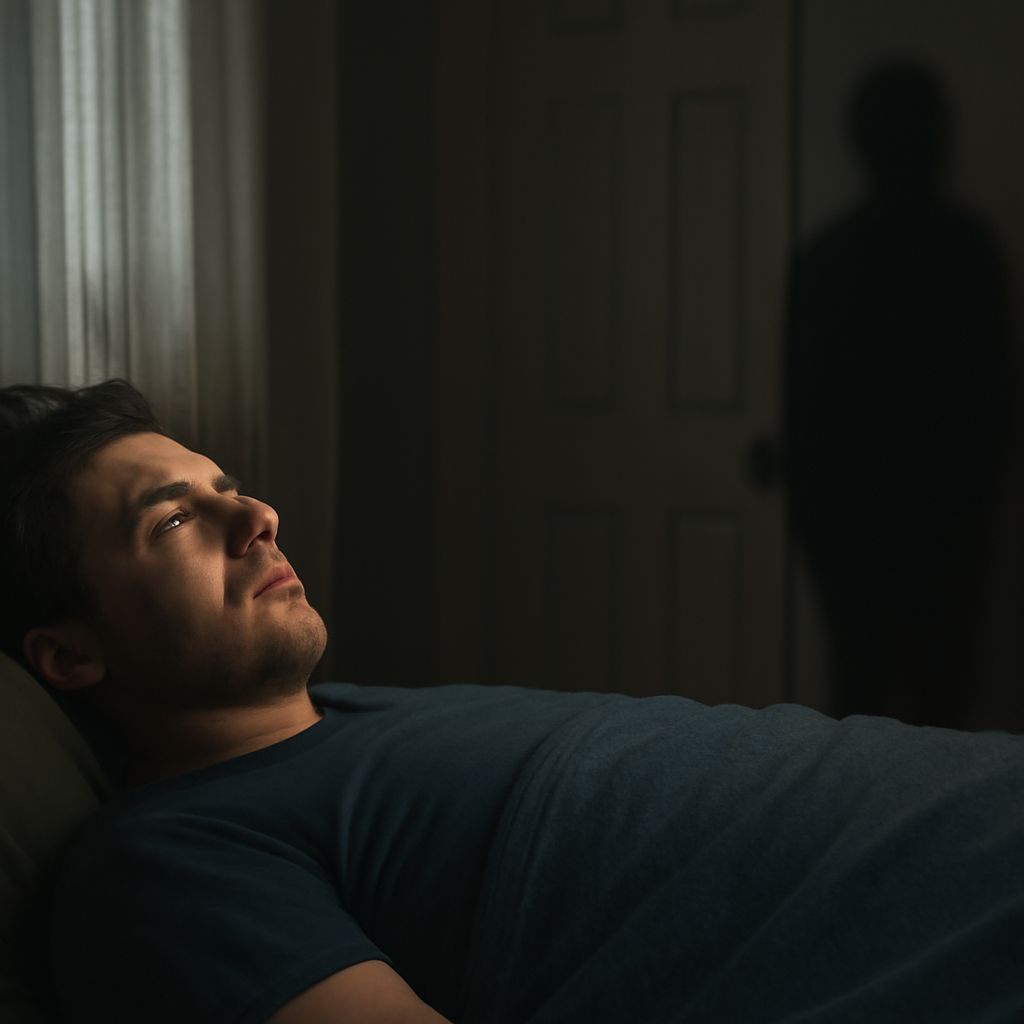
Sleep paralysis can sometimes be accompanied by vivid hallucinations, making the experience even more frightening. These hallucinations occur because the brain remains partially in the dream state while the person is awake. As a result, individuals might perceive visual, auditory, or tactile sensations that aren’t real.
These hallucinations can vary widely. Some people report seeing shadowy figures or feeling a presence in the room, while others might hear distorted sounds. The brain’s attempt to make sense of these sensations can lead to intense fear and anxiety. However, it’s important to recognize that these hallucinations, though vivid and unsettling, are not harmful and do not reflect any psychological disorder.
Is Sleep Paralysis Bad for You?
For most people, sleep paralysis is not dangerous. It does not cause any physical harm or long-term psychological effects. However, the experience can be distressing, especially if it occurs frequently. Understanding the benign nature of these episodes can help mitigate anxiety associated with them.
Practicing good sleep hygiene can reduce the frequency of sleep paralysis episodes. This includes maintaining a regular sleep schedule, ensuring a comfortable sleeping environment, and managing stress effectively. If sleep paralysis is linked to an underlying sleep disorder, consulting with a healthcare provider for a comprehensive evaluation might be beneficial.