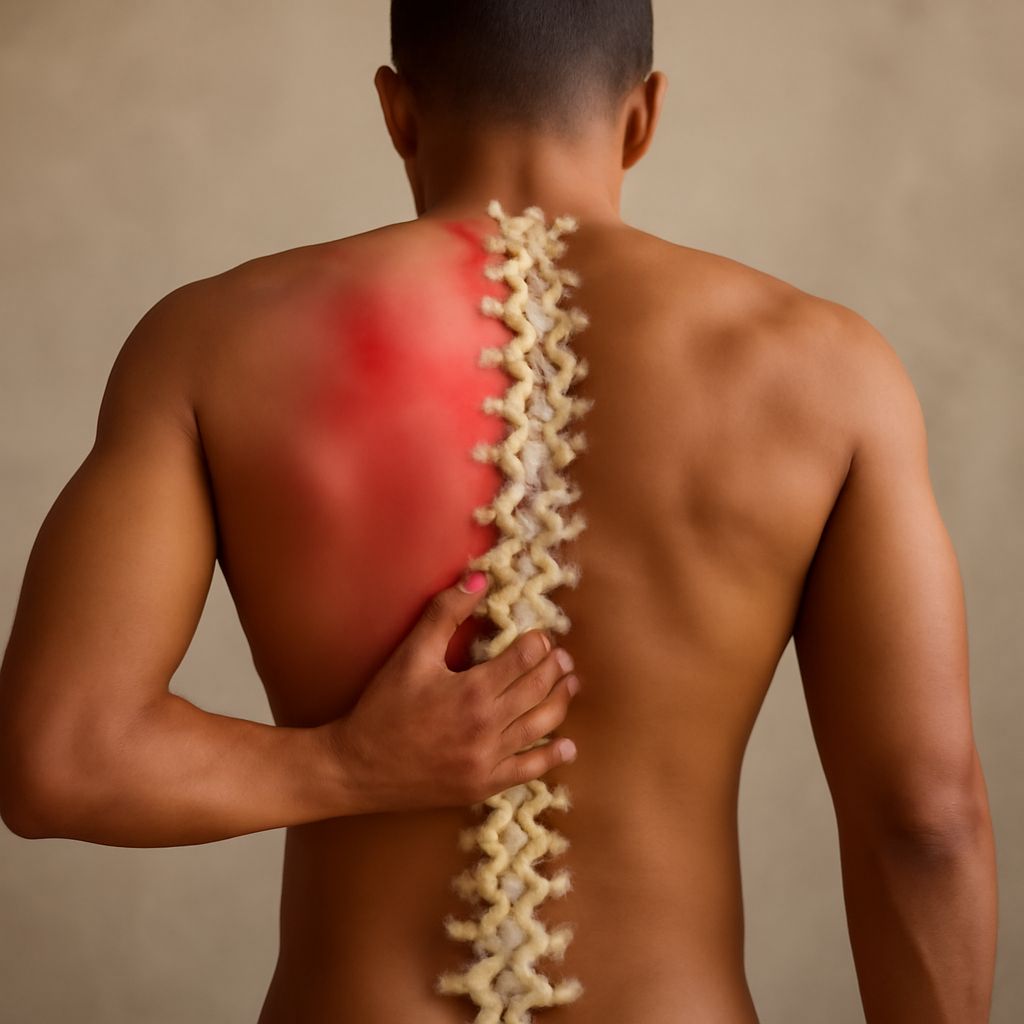
The sacroiliac joint plays a crucial role in connecting the spine to the pelvis, and its proper functioning is essential for maintaining mobility and comfort. When issues arise, they can manifest as sacroiliac joint pain symptoms, causing significant discomfort and affecting daily activities. Understanding these symptoms and their causes is the first step toward effective management and relief.
By recognizing the signs of sacroiliitis symptoms early and adopting appropriate treatments, individuals can prevent further complications. This article provides insights into the sacroiliac joint, how to identify the symptoms, and practical ways to manage the associated pain.
What is the SI Joint?
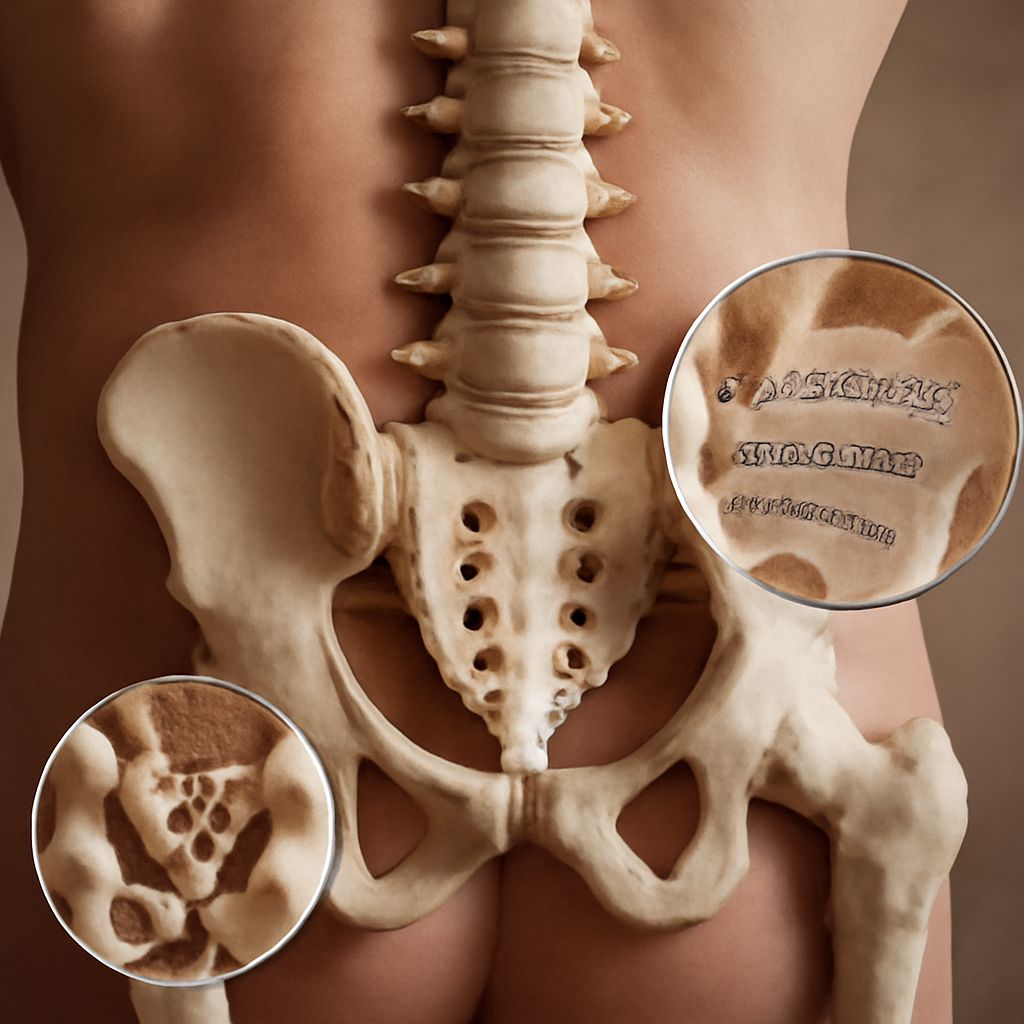
The sacroiliac (SI) joint is where the sacrum, the triangular bone at the base of the spine, meets the iliac bones of the pelvis. This joint is essential for absorbing shock between the upper body and legs. Despite its limited range of motion, it is crucial for maintaining stability and balance.
Problems with the SI joint can arise from various factors, including trauma, arthritis, or even pregnancy, leading to inflammation and pain. When the joint becomes dysfunctional, it can be a source of persistent discomfort, often mistaken for other back issues.
Common SI Joint Pain Symptoms
Sacroiliac joint pain symptoms can vary from mild to severe and are often confused with other forms of lower back pain. Common indicators include a dull ache in the lower back or buttocks, pain radiating down the legs, and discomfort when standing up from a seated position or climbing stairs.
Sacroiliitis symptoms may worsen with prolonged standing, uneven weight distribution, or sudden movements. Individuals might experience stiffness or a reduced range of motion, leading to difficulties in performing everyday tasks.
How to Manage Sacroiliac Joint Pain
Lifestyle Changes
Adopting lifestyle changes can significantly alleviate sacroiliac joint pain. Regular low-impact exercises such as swimming or cycling can strengthen the muscles supporting the SI joint, improving stability and reducing strain.
Maintaining a healthy weight is also crucial, as excess weight can place additional pressure on the sacroiliac joint. Practicing good posture during daily activities can prevent unnecessary stress on the joint.
Medical Treatments
When lifestyle adjustments are insufficient, medical treatments may be necessary. Physical therapy is often recommended to enhance flexibility and strength around the joint. A physical therapist can guide patients through tailored exercises that address specific weaknesses or imbalances.
In some cases, medications such as nonsteroidal anti-inflammatory drugs (NSAIDs) can help reduce inflammation and pain. For more persistent sacroiliac joint issues, steroid injections directly into the joint may provide temporary relief by decreasing inflammation.
Surgery is considered a last resort, reserved for severe cases when other treatments have failed. Procedures like sacroiliac joint fusion aim to stabilize the joint by permanently joining the sacrum and iliac bones, thus reducing pain.
Overall, understanding and addressing sacroiliac joint pain symptoms proactively can lead to a significant improvement in quality of life. By combining lifestyle changes with medical interventions when necessary, individuals can effectively manage symptoms and prevent future complications.