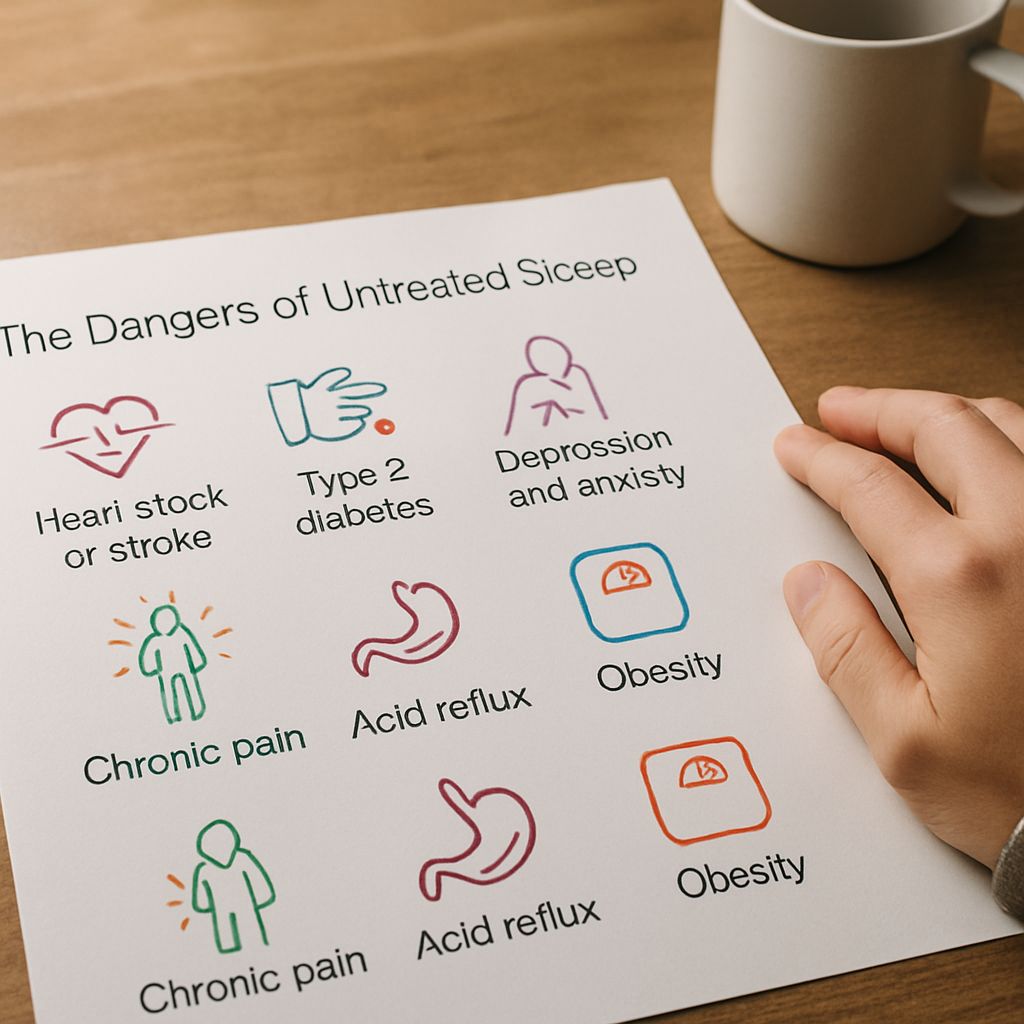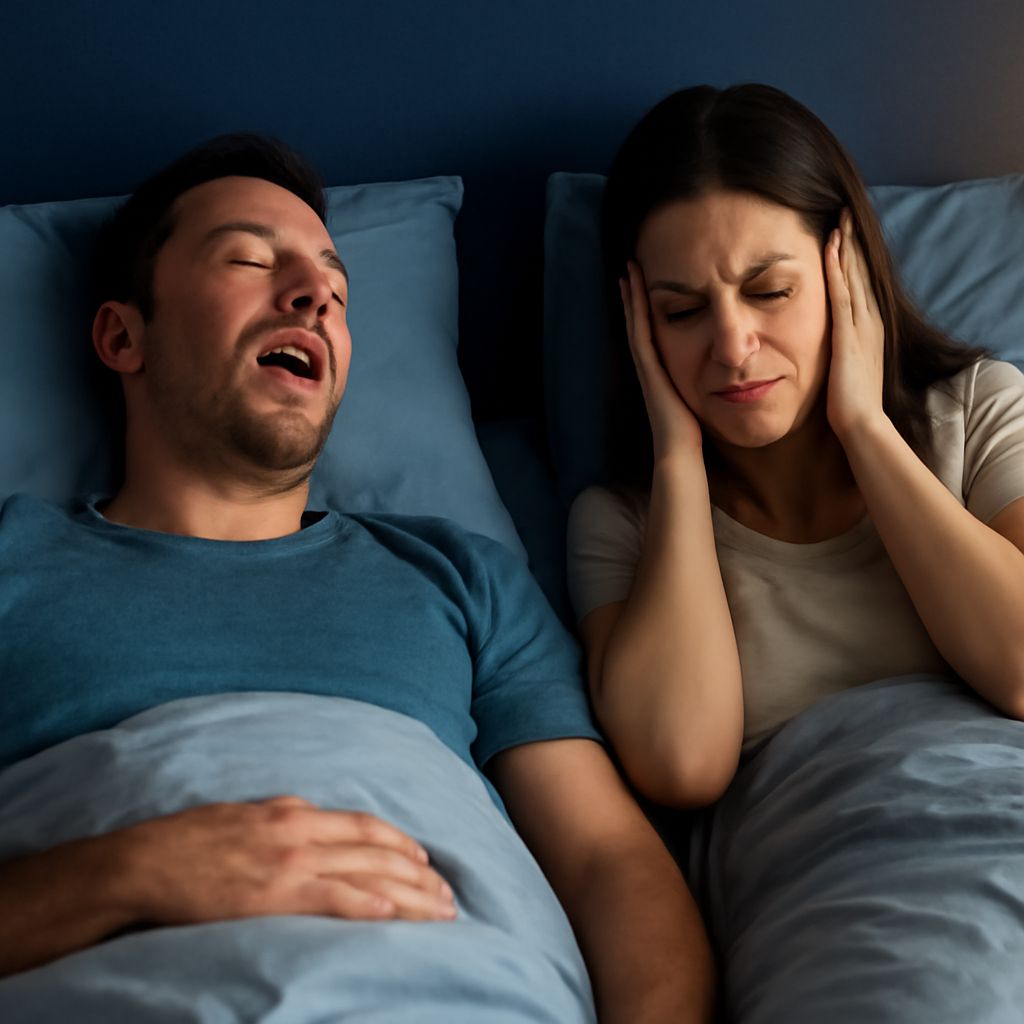
Sleep apnea is often associated with loud, disruptive snoring, but can you have sleep apnea and not snore? Understanding the nuances of this condition can help in identifying silent symptoms that might otherwise be overlooked. Discover how sleep apnea, even without the characteristic snoring, can still significantly impact your health and quality of life.
Understanding Sleep Apnea
Sleep apnea is a disorder characterized by repeated interruptions in breathing during sleep. These interruptions, known as apneas, can last from a few seconds to over a minute, and they often result in reduced oxygen flow to the brain and other parts of the body. The most common type, obstructive sleep apnea (OSA), occurs when the muscles at the back of the throat fail to keep the airway open.
Central sleep apnea, another form, involves the brain not sending the correct signals to the muscles that control breathing. Though snoring is a widely recognized symptom, it is not a definitive indicator for all sufferers. This means that individuals can experience sleep apnea without the presence of loud snoring.
Can You Have Sleep Apnea Without Snoring?
Yes, it is entirely possible to have sleep apnea without snoring. The absence of snoring does not negate the presence of this sleep disorder. Many individuals with central sleep apnea may not snore at all. Moreover, those with mild OSA or variations in the anatomy of their throat might experience apnea without the accompanying snore.
The misconception that snoring is a required symptom can lead to underdiagnosis or misdiagnosis in patients who experience silent sleep apnea. Therefore, it is crucial to recognize other indicators beyond snoring.
Signs and Symptoms of Non-Snoring Sleep Apnea
Even in the absence of snoring, several symptoms may suggest sleep apnea. Excessive daytime sleepiness is a common sign, as disrupted sleep can lead to significant fatigue. Morning headaches and difficulty concentrating during the day are also indicators.
Individuals may experience insomnia or restless sleep, often waking up feeling unrefreshed. Partners may notice episodes where the person stops breathing or gasps for air during sleep, even in the absence of snoring. These symptoms are vital cues in determining the presence of sleep apnea without the need for the snoring characteristic.
How to Diagnose Sleep Apnea Without Snoring
Diagnosing sleep apnea in the absence of snoring typically involves a comprehensive evaluation by a healthcare professional. A sleep study, or polysomnography, is the most definitive way to diagnose sleep apnea. This overnight test records various physical activities during sleep, including breathing patterns, heart rate, and blood oxygen levels.
Home sleep apnea tests may also be prescribed in certain situations, providing a more convenient but less detailed assessment. It’s essential for individuals experiencing symptoms such as persistent fatigue or disrupted sleep to consult with their doctor, who can guide them through the diagnostic process.
Treatment Options for Silent Sleep Apnea
Once diagnosed, treating sleep apnea without snoring involves various approaches depending on the severity and underlying cause. Continuous Positive Airway Pressure (CPAP) therapy remains the gold standard for OSA, keeping the airway open during sleep.
For those with central sleep apnea or mild cases, lifestyle changes such as weight management, positional therapy, and avoiding alcohol and sedatives before bedtime can be beneficial. Oral appliances designed to reposition the jaw and tongue may also help in some cases.
In certain scenarios, surgical interventions might be considered, especially if structural issues in the airway contribute to the condition. A tailored treatment plan, developed in consultation with a healthcare provider, ensures effective management of sleep apnea, even in the absence of snoring.
Bottom line: Silent sleep apnea is a reality for many individuals, demonstrating that snoring is not an essential symptom for diagnosis. Understanding the wide range of symptoms and seeking appropriate medical advice can lead to effective treatment, improving both health and quality of life.