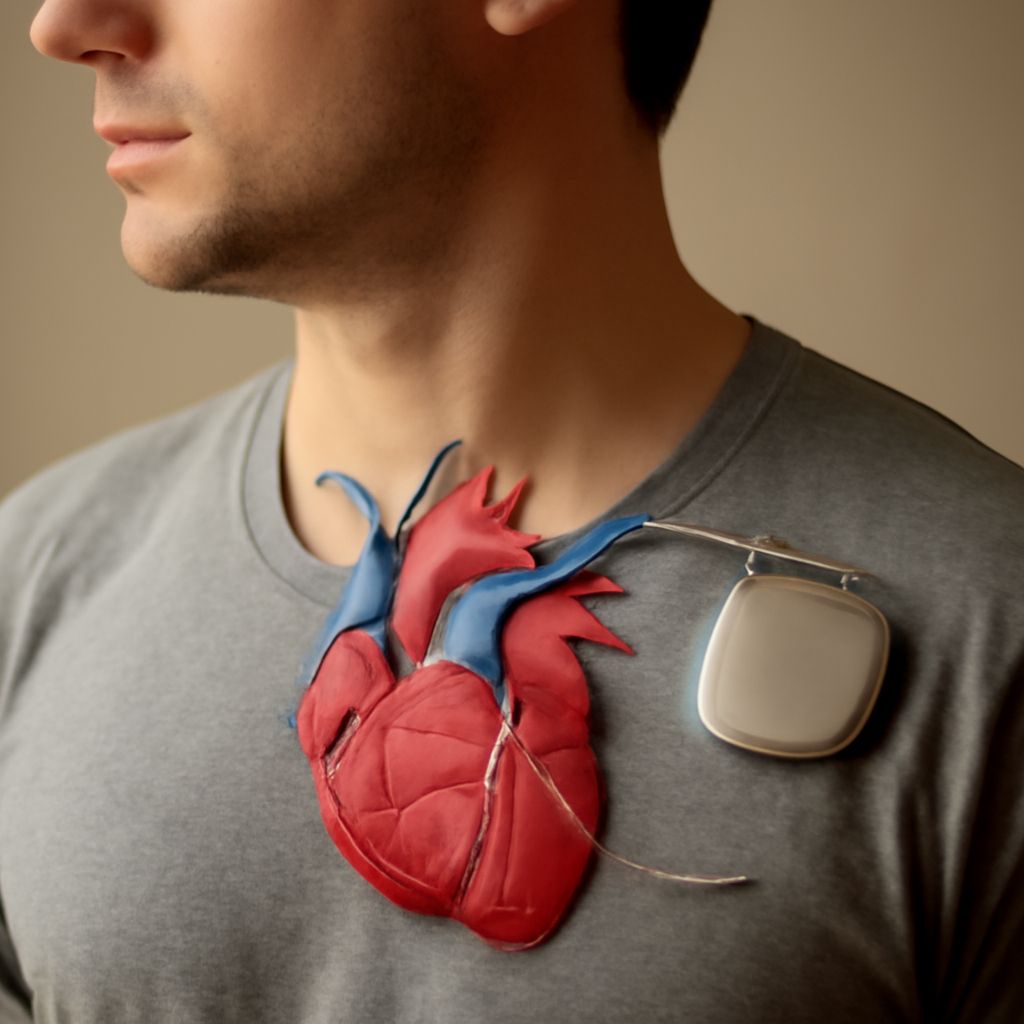
For those living with a defibrillator implant, understanding its impact on sleep is crucial. This device, a vital component for many with heart conditions, can sometimes cause concern when it comes to restful nights. However, with the right information and adjustments, sleep can be both safe and restorative. Users of implanted cardioverter defibrillators can rest assured, knowing how to manage their device effectively.
What is a Defibrillator Implant?
A defibrillator implant, often referred to as an implanted cardioverter defibrillator (ICD), is a small device placed in the chest to monitor heart rhythms. Its primary function is to detect irregular heartbeats and deliver electrical pulses to restore normal rhythm. This technology is lifesaving for those at risk of sudden cardiac arrest.
The device includes a pulse generator and leads that connect to the heart. These components work together to provide continuous heart monitoring and intervention when necessary. Despite its complex role, an ICD is designed to be minimally invasive and operate seamlessly within the body.
How Defibrillator Implants Affect Sleep
Living with a defibrillator implant can raise questions about sleep positions and comfort. Patients often wonder if certain positions might affect the device’s functioning. While the ICD is securely positioned, it’s advisable to avoid sleeping on the side where the implant is located initially after surgery, allowing time for healing.
Another consideration is the potential for the device to deliver a shock during sleep. While this is rare, understanding that it’s a part of the device’s protective mechanism can help alleviate anxiety. Sleep disturbances can occur, but these are often manageable with proper adjustments.
Living with an Implanted Cardioverter Defibrillator
Daily Life Adjustments
Adapting to life with an internal cardiac defibrillator involves minor lifestyle changes. Routine activities, including exercise, can continue with some modifications. Patients are encouraged to engage in physical activity but should consult with healthcare providers to define safe limits.
A key part of daily adjustments includes awareness of electronic devices that might interfere with the ICD. Maintaining a safe distance from strong electromagnetic fields, like those from industrial equipment, is usually recommended.
Sleep Considerations
The presence of a defibrillator implant can necessitate changes in sleep habits. Utilizing supportive pillows and maintaining an ergonomic position can enhance comfort and support the body’s natural alignment. Patients might benefit from experimenting with different sleeping arrangements until they find one that suits them best.
Tips for Better Sleep with an Internal Cardiac Defibrillator
Improving sleep quality with an internal cardiac defibrillator involves several strategies. Establishing a consistent bedtime routine helps the body prepare for rest. This might include reading, gentle stretching, or listening to calming music before bed.
Creating a sleep-friendly environment is also crucial. Keeping the bedroom cool, dark, and quiet can promote uninterrupted sleep. Additionally, limiting caffeine and electronics before bedtime can enhance the quality of rest.
If anxiety about the device interrupts sleep, consider relaxation techniques such as deep breathing exercises or meditation. Techniques like these can alleviate stress and foster a peaceful state conducive to sleep.
When to Consult a Doctor
Regular follow-ups with a healthcare provider are essential for anyone with a defibrillator implant. These check-ups ensure the device is functioning correctly and address any concerns, including those related to sleep.
Patients should seek medical advice if they experience frequent shocks, persistent discomfort, or significant changes in sleep patterns. Professional guidance can provide peace of mind and ensure both the safety and effectiveness of the ICD.
Understanding the dynamics between a defibrillator implant and sleep can ease the transition for patients. With mindful adjustments and regular medical consultations, individuals can maintain a healthy lifestyle and enjoy restful nights.