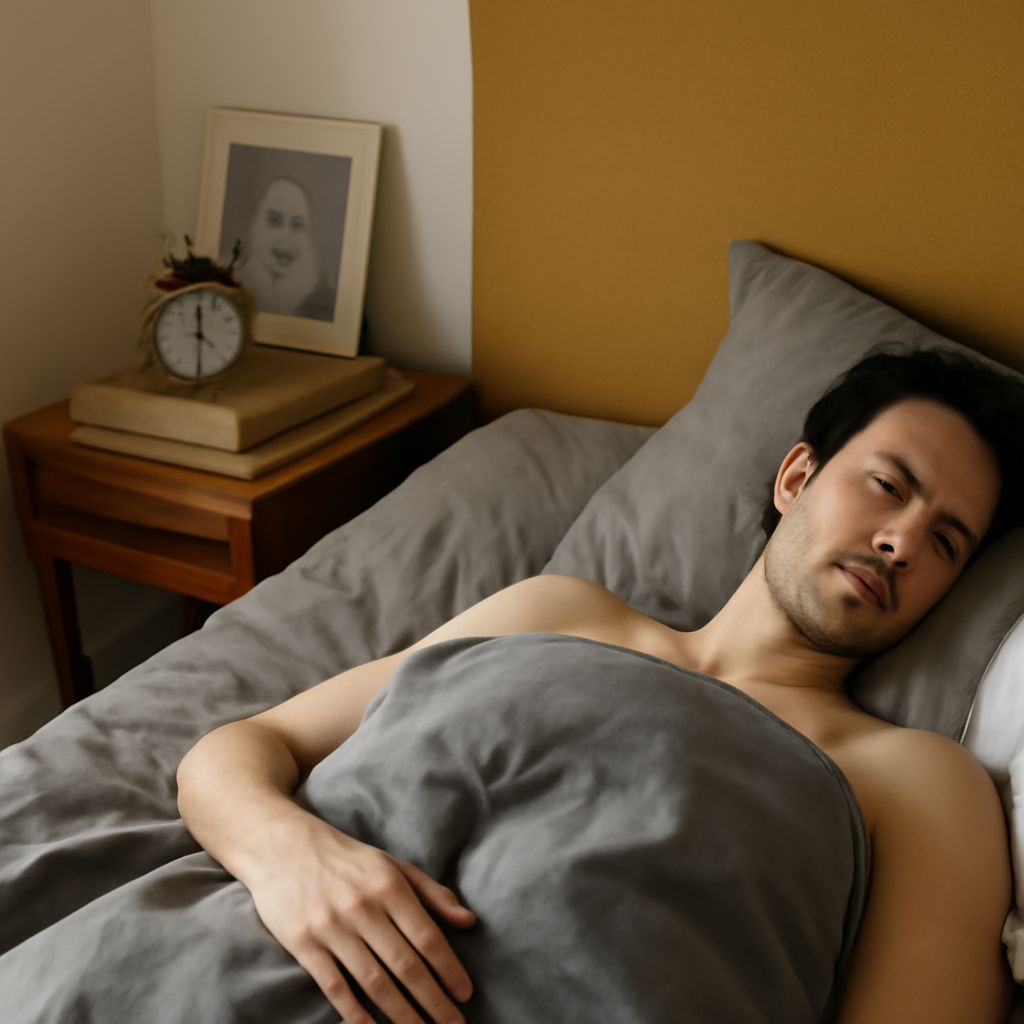
The everyman sleep schedule offers a flexible approach to rest that can accommodate modern lifestyles. By incorporating shorter sleep bouts into the day, many find increased energy and productivity. As humans strive to optimize sleep routines, exploring the distinct patterns of the cat sleep cycle reveals fascinating insights. Additionally, the triphasic sleep model provides another alternative, showcasing the diverse range of sleep strategies available.
Exploring the Everyman Sleep Cycle
Defining the Everyman Sleep Schedule
The everyman sleep cycle consists of one longer sleep period, usually at night, supplemented by several shorter naps during the day. This polyphasic approach to rest allows individuals to adapt their sleep patterns to their personal or professional needs. Typically, the core sleep phase lasts between three to four hours, followed by naps of about 20 minutes each, dispersed at intervals throughout the day.
Benefits of the Everyman Sleep Cycle
The advantages of adopting this schedule include improved focus and higher energy levels throughout the day. Those utilizing the everyman cycle often report a sense of increased alertness due to the strategic timing of their naps. By breaking up sleep into multiple phases, individuals can potentially experience the benefits of rest without dedicating extended hours solely to sleep.
Comparing Sleep Cycles: Cats vs. Humans
Understanding the Cat Sleep Cycle
Cats are known for their polyphasic sleep patterns, typically sleeping 12-16 hours a day. Unlike humans, cats’ sleep is characterized by frequent transitions between light and REM sleep, allowing them to wake easily. This cycle enables them to quickly respond to environmental changes, a necessary adaptation for survival in the wild. By examining these feline patterns, humans can better understand the diversity in sleep cycles across species.
While the everyman sleep cycle mimics some aspects of cats’ sleep behaviors by incorporating multiple rest phases, it allows for more predictable waking hours. This comparison highlights the inherent adaptability of sleep strategies across different species.
Advanced Sleep Schedules: Triphasic Sleep
Adopting the Triphasic Sleep Approach
Triphasic sleep divides rest into three distinct phases across a 24-hour period. Often, this schedule involves a longer period of sleep at night and two shorter naps during the day. Typically, these naps are strategically placed to align with natural dips in alertness, such as mid-afternoon and early evening.
Opting for a triphasic approach can reduce feelings of fatigue and enhance overall cognitive function. Similar to the everyman sleep cycle, it supports flexibility, allowing users to tailor their sleep patterns to meet specific lifestyle needs. As with any sleep schedule, individuals should monitor their rest quality and adjust as necessary to ensure they achieve restorative sleep.
While exploring different sleep schedules, it’s crucial to remember the importance of quality over quantity. Whether adopting the everyman sleep schedule, understanding the cat sleep cycle, or trying triphasic sleep, the ultimate goal remains consistent: optimizing rest for better health and performance.