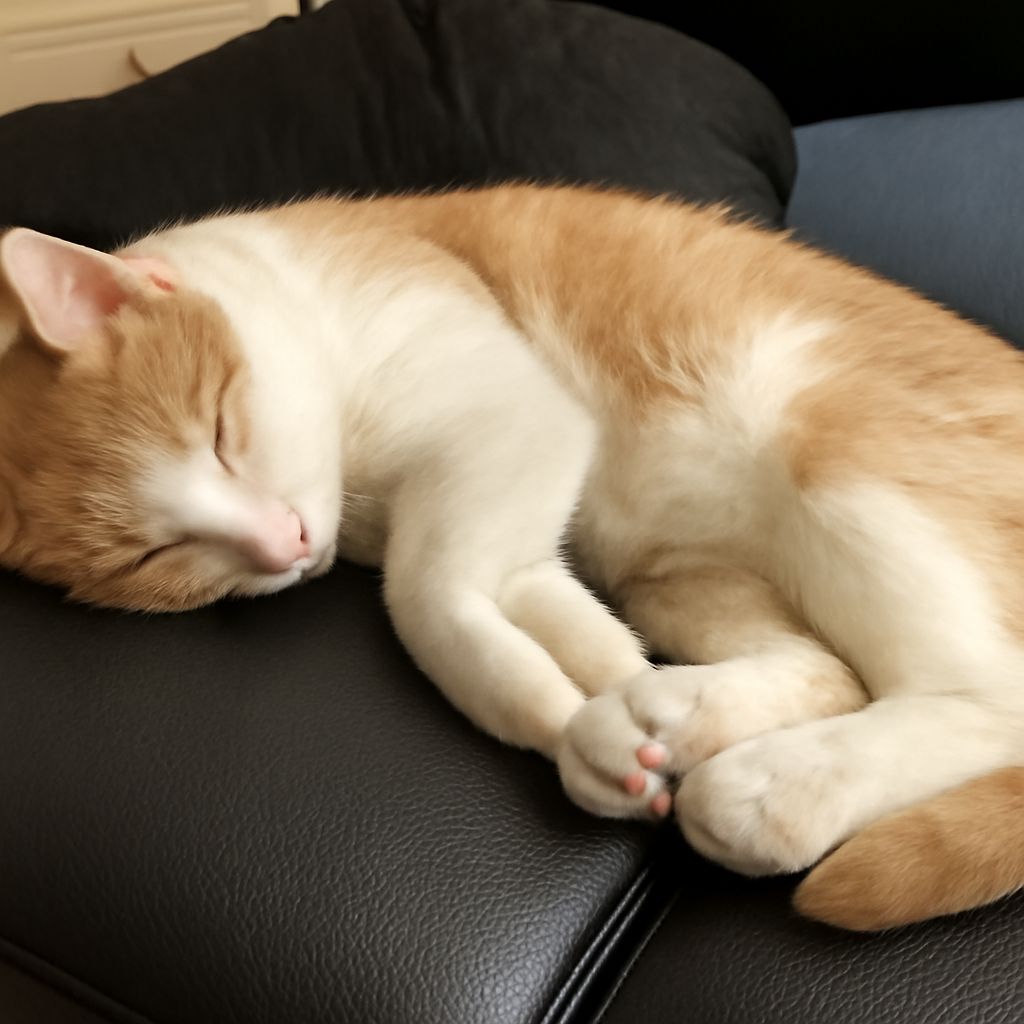
Curious about why your furry friend seems to snooze the day away? Discovering the reasons behind a cat sleeping a lot can help you determine if your cat is sleeping too much. Understanding why cats sleep so much can provide insights into their health and well-being. Whether it’s a sign of a cozy environment or a potential health concern, a closer look at feline sleep habits is essential.
Understanding Normal Cat Sleep Patterns
How Much Do Cats Typically Sleep?
Cats are known for their love of sleep, often spending anywhere from 12 to 16 hours a day napping. This behavior is deeply rooted in their biology. As crepuscular animals, cats are most active during dawn and dusk, using the rest of the day to recharge. This sleep pattern is a survival trait, allowing felines to conserve energy for hunting, even if they are domesticated and well-fed at home.
Factors Influencing Cat Sleep
Several factors can affect how much a cat sleeps. Age is a significant determinant; kittens and older cats tend to sleep more than young adults. The environment also plays a role—cats in quiet, secure homes may sleep more than those in noisier surroundings. Additionally, diet and health status influence sleep patterns. Poor nutrition or illness can lead to increased sleep, so it’s crucial to ensure your cat’s diet is balanced and they receive regular veterinary check-ups.
Why Does My Cat Sleep So Much?
Is My Cat Sleeping Too Much? Signs to Watch For
While it’s normal for cats to sleep a lot, owners should be aware of changes in their pet’s sleep habits. If a cat suddenly begins sleeping more than usual, it might indicate an underlying health issue. Excessive sleep accompanied by lethargy, lack of interest in play, or changes in eating and grooming habits can be cause for concern. Monitoring these signs can help determine if your cat is sleeping too much.
When to Consult a Veterinarian
If you observe persistent changes in your cat’s sleep patterns, consulting a veterinarian is advisable. A professional can rule out illnesses such as infections, renal problems, or thyroid disorders. Early detection is essential in managing potential health issues, making regular veterinary visits important for your cat’s well-being. A vet will conduct thorough examinations and may suggest tests to understand the reasons behind a cat’s increased sleep.
Tips for Monitoring Your Cat’s Sleep
Creating a Comfortable Sleep Environment
Providing a comfortable sleep environment can support healthy sleep habits in cats. Ensure they have access to a quiet, cozy space away from disturbances. Soft bedding, a warm area, and toys can make their resting place inviting. Regular adjustments to their sleeping area, based on seasonal changes and personal preferences, ensure they remain comfortable throughout the year.
Keeping a Sleep Diary
To monitor your cat’s sleep effectively, consider keeping a sleep diary. Record daily observations of their sleep duration, times, and any deviations in behavior. This information becomes invaluable in identifying trends or sudden changes over time. Sharing this data with your veterinarian can aid in diagnosing any issues and developing an appropriate care plan, ensuring your cat remains healthy and content.