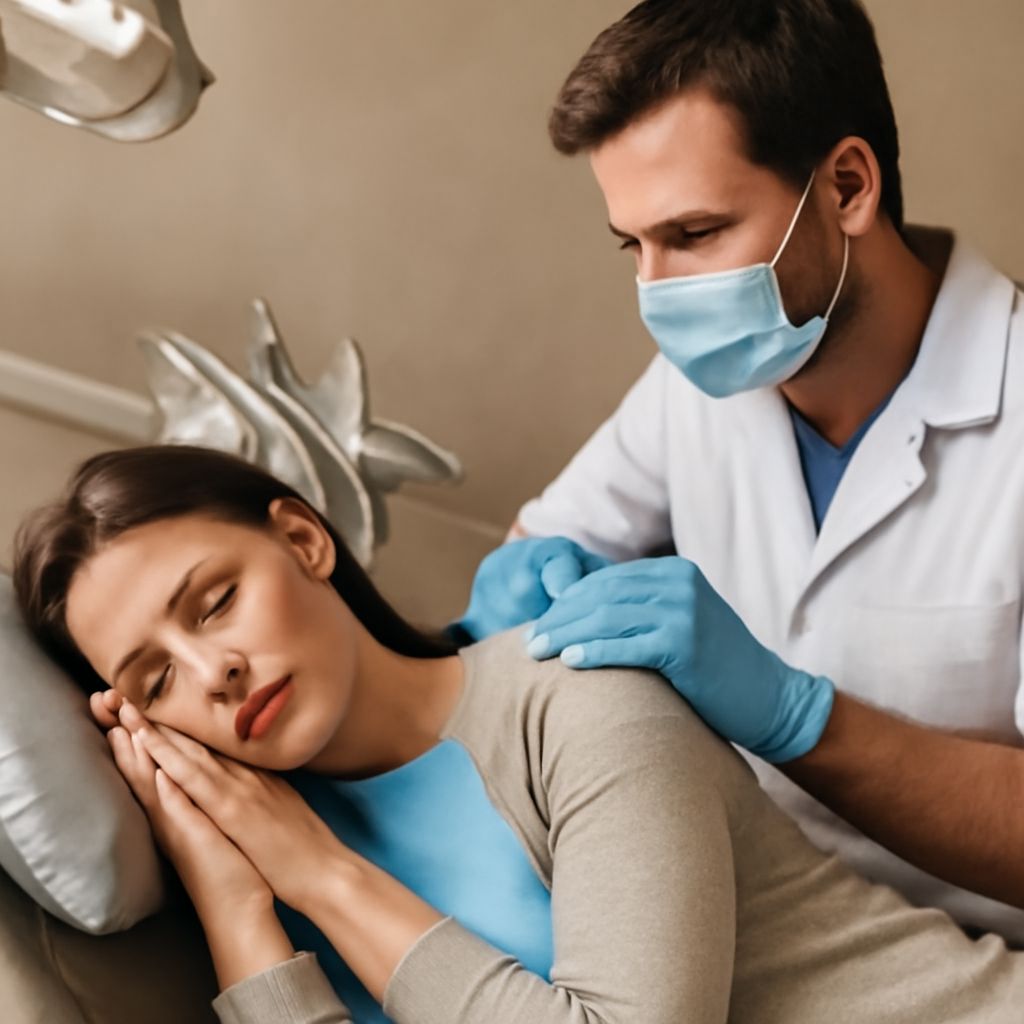
Post-operative care following a wisdom tooth extraction is crucial for a smooth recovery. One question many patients ask is, “Can I sleep on my side after wisdom teeth removal?” Ensuring proper sleep positions can significantly impact the healing process and comfort levels. In addition, understanding whether you can sleep with gauze in your mouth safely helps prevent complications such as dry socket.
Sleeping in the right position can enhance blood flow, reduce swelling, and promote faster healing. This guide provides valuable insights on the best sleeping positions after tooth extraction and essential tips for a restful night’s sleep post-surgery.
Sleeping Positions After Tooth Extraction
Can I Sleep on My Side After Wisdom Teeth Removal?
After wisdom teeth removal, your sleeping position is more important than ever. Side sleeping might feel comfortable naturally, but it poses certain risks. Lying on your side can increase pressure on the extraction site, possibly leading to bleeding or discomfort. Additionally, it might cause stitches or the healing areas to be disturbed, prolonging recovery.
To avoid complications, it’s recommended to sleep on your back, with your head elevated. This position helps minimize swelling and keeps the surgical sites from being pressed against bedding. Consider using extra pillows or a wedge pillow to maintain this position comfortably throughout the night.
Best Sleeping Positions for Recovery
The ideal sleeping position after wisdom tooth extraction is on your back with your head elevated at a 30 to 45-degree angle. This position aids in reducing inflammation and encourages proper drainage away from the extraction sites. Sleeping in this manner can also prevent blood from pooling at the site, which could otherwise cause discomfort or complications.
While on your back, ensure your neck and shoulders are well-supported to promote relaxation and prevent tension. Over time, as healing progresses, it might become easier to gradually transition back to your preferred sleeping position, whether it’s on your side or stomach.
Using Gauze While Sleeping
Do I Sleep with Gauze After Tooth Extraction?
The use of gauze after tooth extraction is essential in the initial hours post-surgery to control bleeding. However, many wonder, “Do I sleep with gauze after tooth extraction?” It is generally advised to remove any gauze before sleeping. Keeping gauze in your mouth while asleep poses a choking hazard and can interfere with breathing.
During the day, change gauze pads as necessary until bleeding subsides, usually within a few hours. By bedtime, the bleeding should have reduced significantly, eliminating the need for gauze while sleeping.
Can You Sleep with Gauze in Your Mouth Safely?
Sleeping with gauze in your mouth is not safe due to the risk of choking and accidental ingestion. If bleeding persists, it may be necessary to hold a gauze pad in place for a short period before settling down for the night. Ensure that the pad is positioned securely and that you are awake and aware while it’s in use.
Consult with your dental care provider if bleeding does not cease or if there are concerns about excessive bleeding. They may offer solutions or advice tailored to your specific situation.
Tips for Better Sleep Post-Extraction
Getting quality rest after wisdom teeth removal is vital for recovery. Here are some tips to help you sleep better:
- Maintain an elevated head position: Use extra pillows to keep your head elevated, reducing swelling and discomfort.
- Avoid physical exertion: Refrain from vigorous activities that could increase blood pressure and disrupt healing.
- Choose soft foods: Consuming soft foods and liquids can minimize irritation and support comfort.
- Practice good oral hygiene: Gently rinse your mouth with saltwater as recommended to prevent infection and promote healing.
- Stay hydrated: Drink plenty of fluids, excluding hot or carbonated beverages, to maintain hydration and aid recovery.
By following these strategies, patients can ensure a smoother healing process and achieve better sleep quality during recovery.
Safety recap: Avoid sleeping with gauze in your mouth to prevent choking hazards. Prioritize back-sleeping with proper support to facilitate a safe and comfortable recovery process.