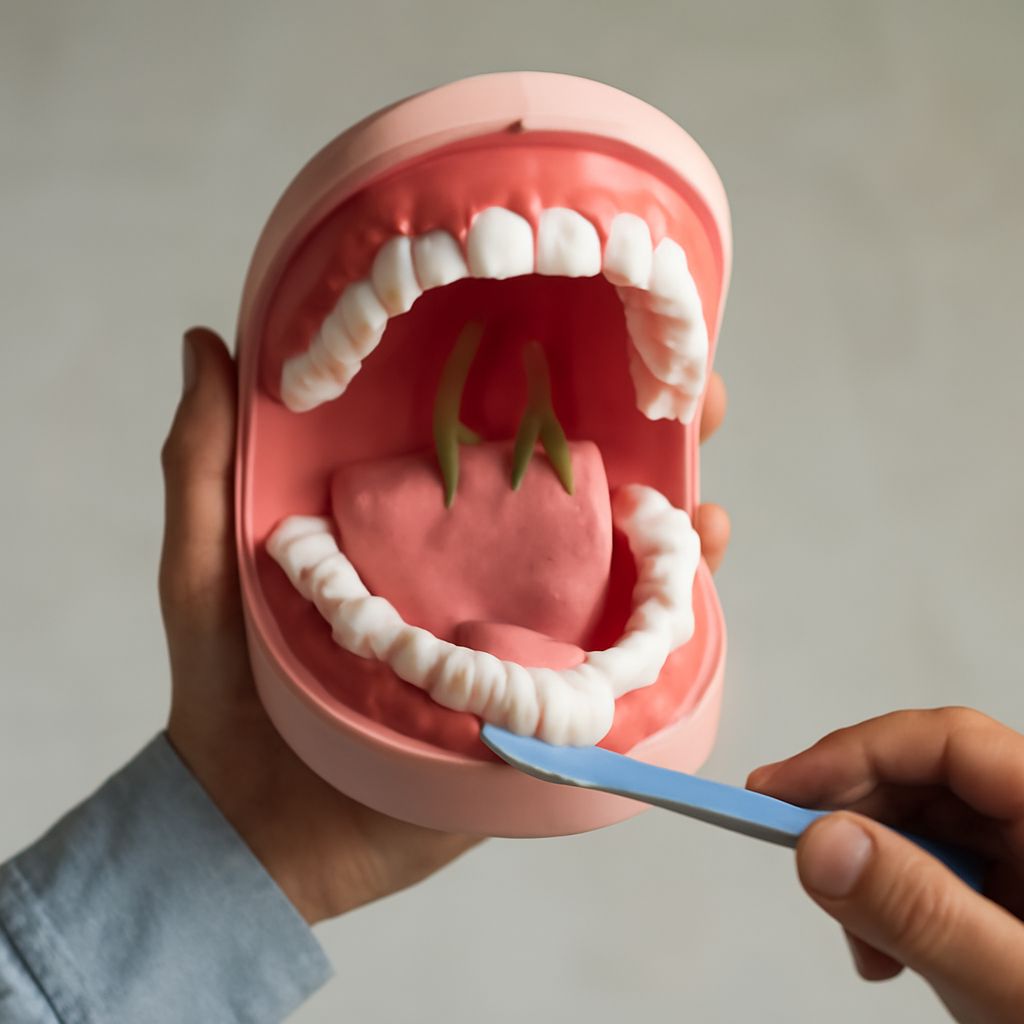
Experiencing dry mouth when sleeping can significantly disturb restful nights, leading to discomfort, poor sleep quality, and even potential health issues. Fortunately, addressing this problem can enhance sleep quality and overall well-being. By understanding the causes and exploring effective solutions, individuals can reduce the occurrence of dry mouth after sleeping.
Moreover, conditions like dry eyes can also interfere with sound sleep. Implementing aids such as a sleep mask for dry eyes can alleviate related discomfort, thus ensuring a more comprehensive approach to nighttime relief. This article delves into these aspects, offering insights into practical strategies to improve nightly rest.
Understanding Dry Mouth When Sleeping
What Causes Dry Mouth at Night?
Dry mouth, or xerostomia, occurs when the salivary glands do not produce enough saliva to keep the mouth moist. At night, this condition may be exacerbated by several factors. Common causes include dehydration, mouth breathing, and certain medications. Dehydration can occur throughout the day, but its effects often manifest at night, leaving individuals waking up with a parched mouth. Furthermore, sleeping with an open mouth, possibly due to nasal congestion, increases the risk of developing this issue.
Common Symptoms of Dry Mouth Sleeping
Individuals experiencing dry mouth while sleeping may report various symptoms. These include a sticky or dry sensation in the mouth, waking up frequently for water, and experiencing a sore throat. In some cases, cracked lips and difficulty swallowing can also be observed. Over time, these symptoms can lead to further complications, such as bad breath and an increased risk of tooth decay, emphasizing the need for effective management strategies.
Solutions for Managing Dry Mouth When Sleeping
Simple Home Remedies
Several home remedies can provide relief from dry mouth during sleep. Increasing water intake throughout the day ensures proper hydration, which is crucial in mitigating nighttime dryness. Additionally, running a humidifier in the bedroom can add moisture to the air, thus preventing the mouth from drying out. Chewing sugar-free gum can also stimulate saliva production before bedtime. Regularly practicing good oral hygiene, like brushing teeth with fluoride toothpaste, further aids in reducing dry mouth symptoms.
When to Seek Professional Help
If home remedies prove insufficient, seeking professional advice may be necessary. Persistent dry mouth, despite self-care measures, might indicate an underlying health condition that requires medical intervention. Dentists and healthcare providers can offer tailored treatments, such as saliva substitutes or medications, to help manage the symptoms effectively. Early consultation with a healthcare professional is advisable to prevent long-term complications.
Using a Sleep Mask for Dry Eyes
Benefits of a Dry Eye Sleep Mask
A sleep mask designed for dry eyes can be a beneficial addition to addressing nighttime discomfort, particularly for those experiencing both dry mouth and dry eyes. Such masks create a protective environment, retaining moisture around the eyes and reducing dryness. This not only enhances sleep comfort but also protects the delicate eye area, contributing to better sleep quality overall.
Choosing the Right Sleep Mask for Dry Eyes
Selecting the appropriate sleep mask involves considering materials and design. Masks made from soft, breathable fabrics ensure comfort throughout the night. Adjustable straps and an ergonomic design help in achieving a snug fit without pressure, ensuring that the mask stays in place during sleep. Evaluating different options can lead to finding a mask that suits individual needs and preferences.
Integrating Solutions for Better Sleep
Combining Sleep Masks and Dry Mouth Remedies
Integrating the use of sleep masks for dry eyes with remedies for dry mouth presents a holistic approach to achieving restful sleep. By simultaneously addressing both issues, individuals can enhance their sleep environment and reduce nighttime disruptions. Combining a humidifier with a sleep mask and staying hydrated can significantly improve sleep quality and comfort.
Long-term Strategies for Comfort
Adopting long-term strategies is essential for sustained comfort and improved sleep. This includes maintaining a consistent bedtime routine, optimizing sleeping positions, and making lifestyle changes such as reducing caffeine and alcohol intake before bed. Regular check-ups with healthcare providers ensure that any ongoing symptoms are monitored and managed effectively. As these strategies become habitual, individuals can experience enhanced well-being and a better quality of life.