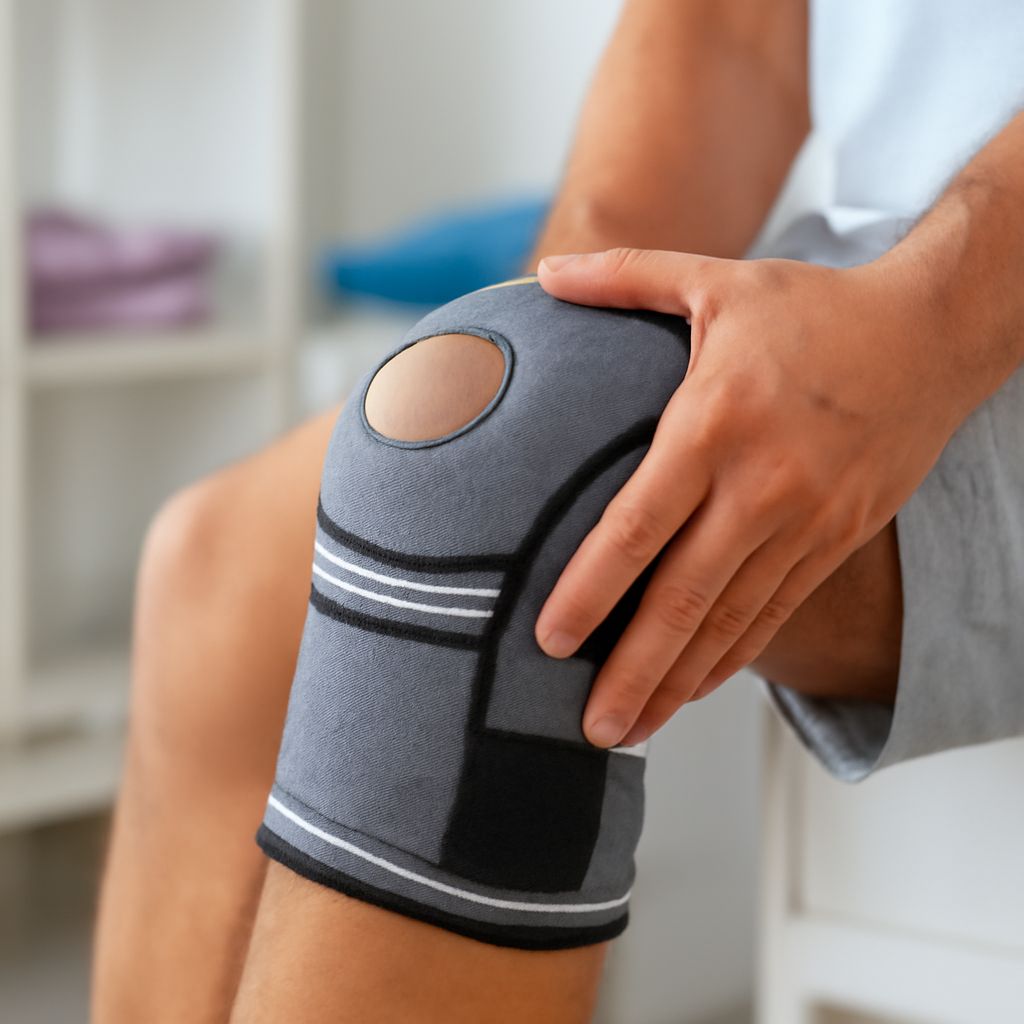
Knee pain can significantly impact daily activities and quality of life. Understanding what a knee brace does offers an opportunity to alleviate discomfort and support recovery. Whether suffering from a recent injury or managing chronic conditions, learning about the effectiveness of knee braces and how to wear them properly is crucial. This guide delves into the types of knee braces available, their functions, and the correct methods to use them for optimal relief.
What Does a Knee Brace Do?
Knee braces are designed to provide support, stability, and pain relief for various knee conditions. They work by stabilizing the knee joint, reducing strain on damaged ligaments, and promoting healing. By limiting certain movements that could exacerbate injuries, braces help protect the knee during physical activities.
For athletes, what does a knee brace do? It enables continued participation in sports with reduced risk of further injury. For those with arthritis, the brace aids in distributing weight across the joint, alleviating pain during daily movements.
Do Knee Braces Work?
The effectiveness of knee braces often depends on the type and the specific condition they address. There are several types of braces, each tailored to different needs:
Types and Their Effectiveness
- Prophylactic Braces: Designed to prevent injuries during contact sports, these help in minimizing the risk of ligament damage.
- Functional Braces: Used for people who have already suffered an injury, they support the knee during recovery and enable safe movement.
- Rehabilitative Braces: Typically used post-surgery, they limit harmful knee movement while allowing for gradual increased mobility.
- Unloader Braces: Specifically for arthritis patients, these redistribute weight away from the damaged part of the knee, thus providing relief from pain.
Research and user experiences suggest that while knee braces do not cure the underlying condition, they significantly aid in managing symptoms and preventing further injury. The choice of brace should be tailored to the individual’s specific needs and the nature of the knee issue.
How to Wear a Knee Brace Correctly
Proper usage of knee braces is essential to maximize their benefits. Firstly, ensure that the brace fits correctly; it should be snug yet comfortable, allowing for normal circulation. An ill-fitting brace can do more harm than good, potentially leading to skin irritation or limited mobility.
When learning how to wear a knee brace, it’s crucial to follow the manufacturer’s instructions. Typically, the brace should be worn during activities that put stress on the knee, such as sports or long periods of standing. However, wearing the brace all day may not be necessary unless advised by a healthcare professional.
Regular maintenance is also important. Check for signs of wear and tear, and clean the brace regularly to avoid skin infections. If discomfort or pain arises while wearing the brace, consult with a medical professional to reassess the fit and type.
Next Steps
Choosing and using a knee brace effectively involves understanding the specific needs of your condition and the variety of options available. Consult with a healthcare provider to select the appropriate brace type and ensure proper fit and function. Regularly review the brace’s effectiveness and maintain it well to prolong its lifespan. With the right approach, knee braces can be a valuable tool in managing pain and supporting recovery.