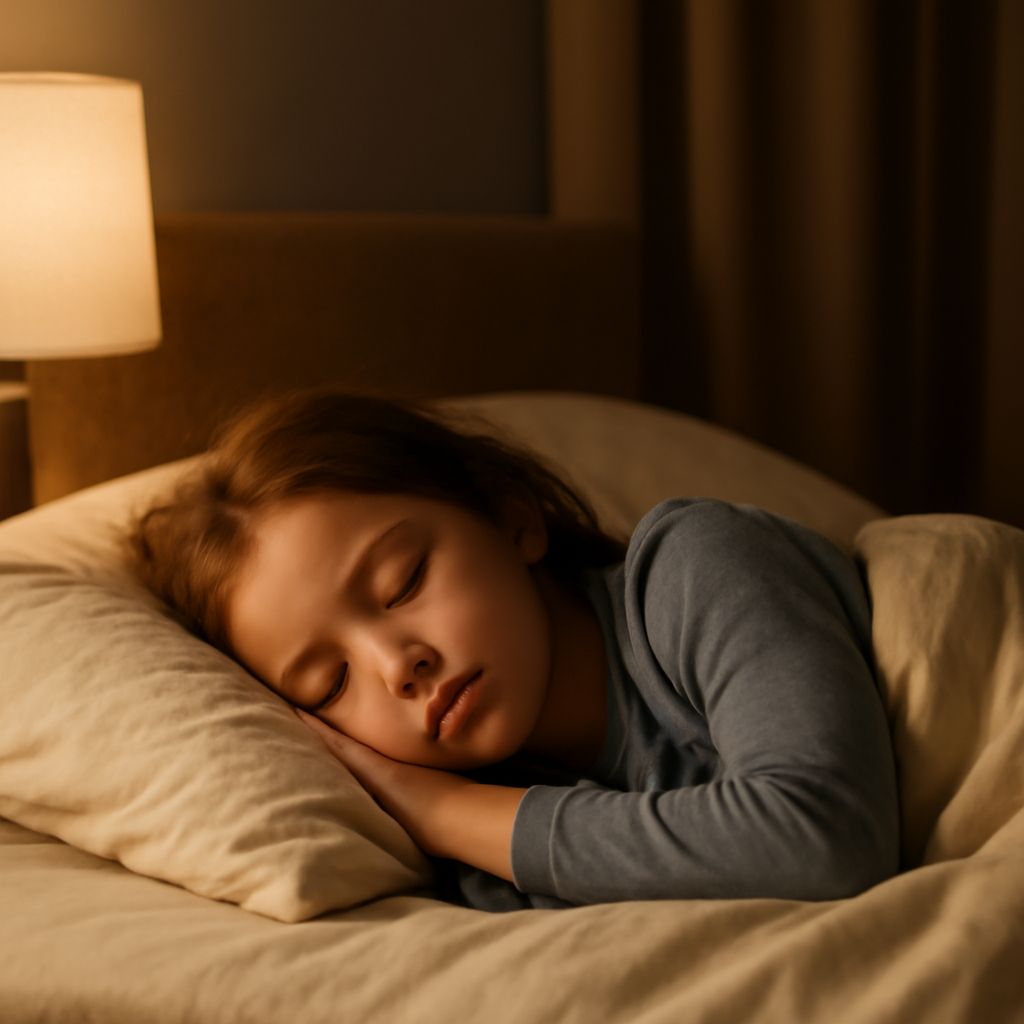
Understanding the delicate balance between sleep and rest is vital for enhancing overall well-being. The surrealism of Salvador Dali not only permeated his artwork but also his approach to sleep, offering unique insights into this essential human need. By exploring these insights, individuals can unlock their own sleep light bulb moments, comprehend the thin line between sleep vs rest, and assess their personal sleep health through a sleep disorders quiz.
This exploration leads to an understanding of how to tackle sleep wake failure and implement effective strategies for achieving restorative sleep. Delve into the art of rest as exemplified by Dali and discover scientific correlations that underline the importance of proper sleep hygiene.
The Surreal Sleep of Salvador Dali
Understanding Dali’s Sleep Technique
Salvador Dali, the iconic surrealist artist, employed an intriguing method known as “slumber with a key” to harness creativity from the brink of sleep. This technique involved dozing off while holding a heavy key over a metal plate. As he fell asleep, the key would drop and wake him, allowing Dali to capture the fleeting images from the edge of consciousness. This method effectively illustrates the intersection of sleep, rest, and creativity, offering a unique perspective on how brief periods of rest can stimulate the mind.
Inspiration Behind the Sleep Light Bulb
The concept of the sleep light bulb moment stems from Dali’s ability to tap into the subconscious mind during the delicate transition between wakefulness and sleep. This state, characterized by hypnagogic imagery, often sparks innovative ideas and abstract thoughts. Artists and scientists alike have utilized this transitional phase to bridge the conscious and subconscious minds, highlighting the potential breakthroughs that can occur when sleep and creativity intersect.
The Science of Sleep vs Rest
Differences Between Sleep and Rest
While sleep and rest are often used interchangeably, they are distinct processes with differing impacts on the body and mind. Sleep is a complex biological state involving multiple stages, including REM and non-REM stages, which facilitate physical restoration and cognitive function. Rest, on the other hand, does not involve these specific cycles but offers a reprieve for the body and mind, allowing for recovery without the need for deep sleep cycles.
Why Both Are Essential
Both sleep and rest play crucial roles in maintaining health. Sleep is pivotal for consolidating memories, regulating emotions, and repairing tissues. Rest provides an opportunity for relaxation, stress reduction, and mental clarity. The synergy between sleep and rest highlights the importance of incorporating both into daily routines for optimal health and functioning. Recognizing the need for both ensures comprehensive recovery and revitalization, supporting a balanced lifestyle.
How to Identify Sleep Disorders
Taking a Sleep Disorders Quiz
For those struggling with sleep disturbances, a sleep disorders quiz can offer valuable insights into potential issues. These quizzes typically assess symptoms related to common disorders such as insomnia, sleep apnea, or restless leg syndrome. By addressing questions about sleep patterns and daytime fatigue, individuals can better understand their sleep health and take appropriate steps towards improvement.
Recognizing Sleep Wake Failure
Sleep wake failure, a condition where the body’s natural sleep-wake cycle is disrupted, can lead to significant health issues if left unaddressed. Recognizing symptoms such as difficulty falling asleep, frequent awakenings, or feeling unrested despite adequate sleep duration is crucial. Addressing these signs early on can prevent the progression into more serious disorders and encourage healthier sleep habits.
Bottom line: Exploring Salvador Dali’s unique approach to sleep provides insightful lessons on the art of rest. Understanding the differences between sleep and rest, and recognizing the signs of sleep disorders, empowers individuals to enhance their sleep quality. By embracing both scientific and artistic perspectives, one can achieve a balanced and restful lifestyle.