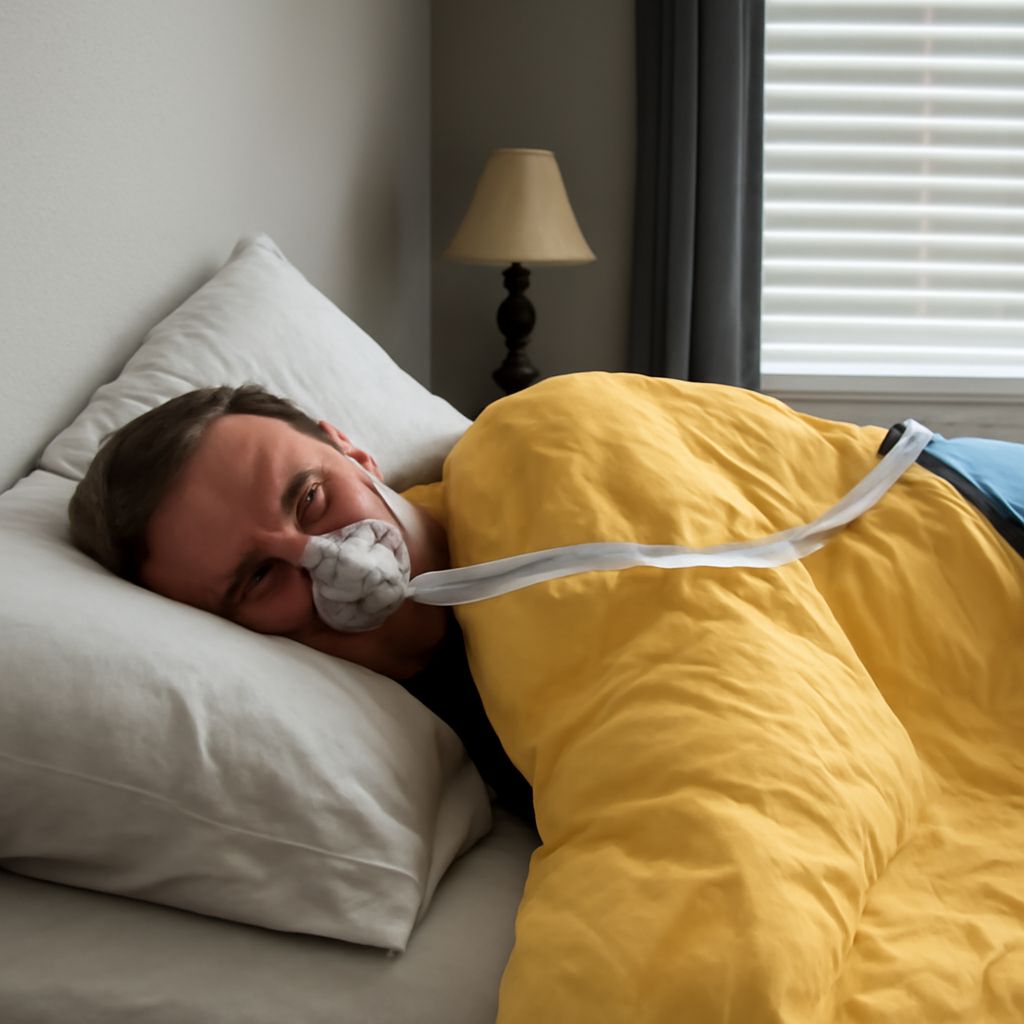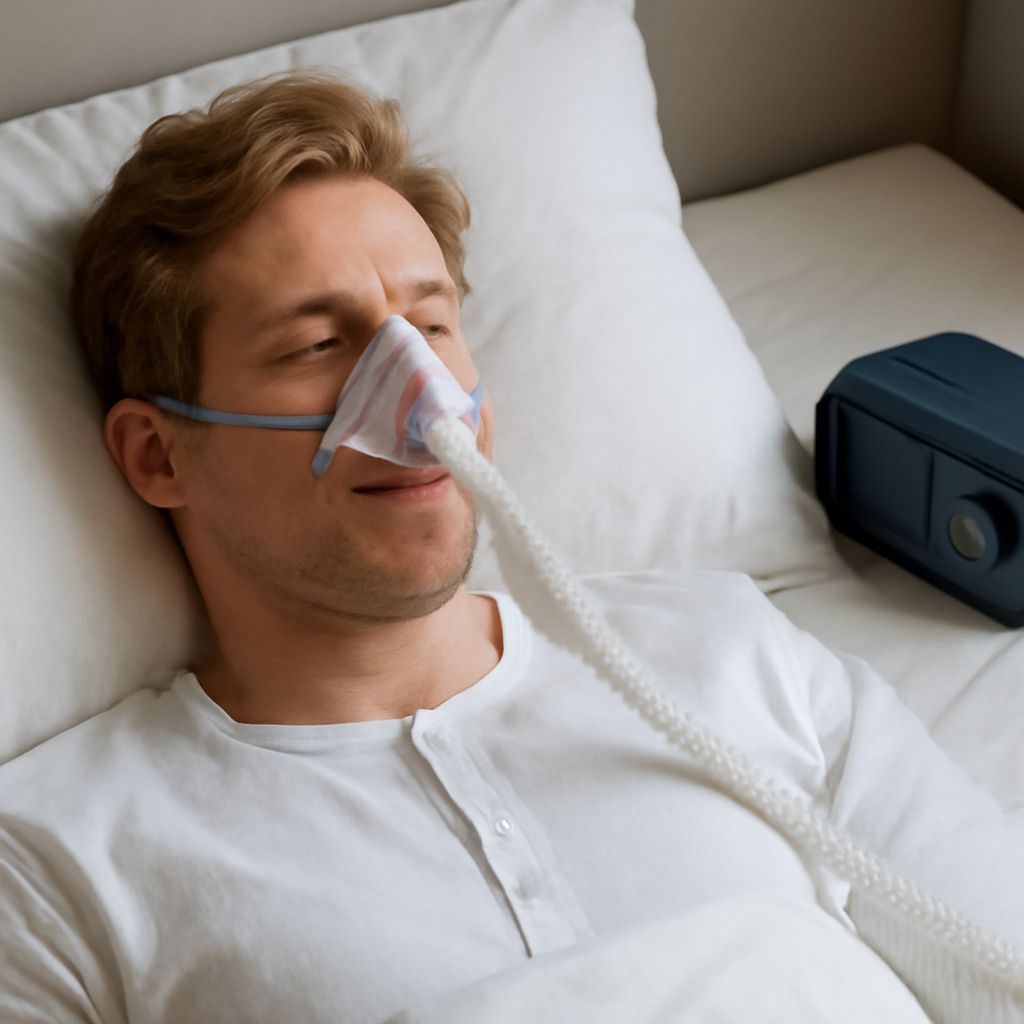
Many individuals who deal with sleep apnea turn to CPAP machines for relief. These devices, designed to maintain a steady airflow during sleep, significantly improve sleep quality and overall health. However, it’s important to understand both CPAP indications and contraindications before integrating one into your nightly routine.
In addition to knowing when to use these machines, potential users often wonder about CPAP noise levels. Understanding how these factors might impact your sleep environment can help in making an informed decision. This article delves into the uses, contraindications, and noise concerns of CPAP machines.
Understanding CPAP Machines and Their Uses
What are CPAP Machines?
CPAP, or Continuous Positive Airway Pressure, machines are medical devices utilized primarily to treat obstructive sleep apnea. They function by delivering a constant stream of air through a mask, which keeps airways open during sleep.
Common CPAP Indications
CPAP indications typically include conditions like obstructive sleep apnea, severe snoring, and certain respiratory diseases. By ensuring airways remain unobstructed, these machines enable uninterrupted breathing, improving rest and reducing health risks associated with sleep apnea.
Exploring CPAP Contraindications
What are CPAP Contraindications?
It is crucial to consider any contraindications for CPAP before use. Contraindications refer to specific situations or conditions where a treatment is not advised. For CPAP machines, certain health conditions may necessitate alternative treatments.
Key Contraindications for CPAP to Consider
Some key contraindications for CPAP include patients with severe cardiac conditions, specific types of respiratory failure, or excessive nasal congestion. These conditions might impede the effectiveness or safety of CPAP therapy, necessitating consultation with healthcare providers to explore other options.
Are CPAP Machines Loud? Delving into CPAP Noise
Factors Contributing to CPAP Noise
Despite advancements, CPAP noise is a common concern among users. Noise levels can vary based on the machine model, mask type, and airflow settings. Additionally, the condition and fit of the mask can influence sound output, where leaks often increase noise.
Tips for Reducing CPAP Noise
To minimize CPAP noise, users can ensure a proper mask seal, as leaks often contribute to excess sound. Regular maintenance of CPAP machines, such as cleaning filters and checking for worn parts, can also reduce noise levels. Moreover, positioning the machine on a stable surface and using a unit with a quieter motor design are effective strategies.