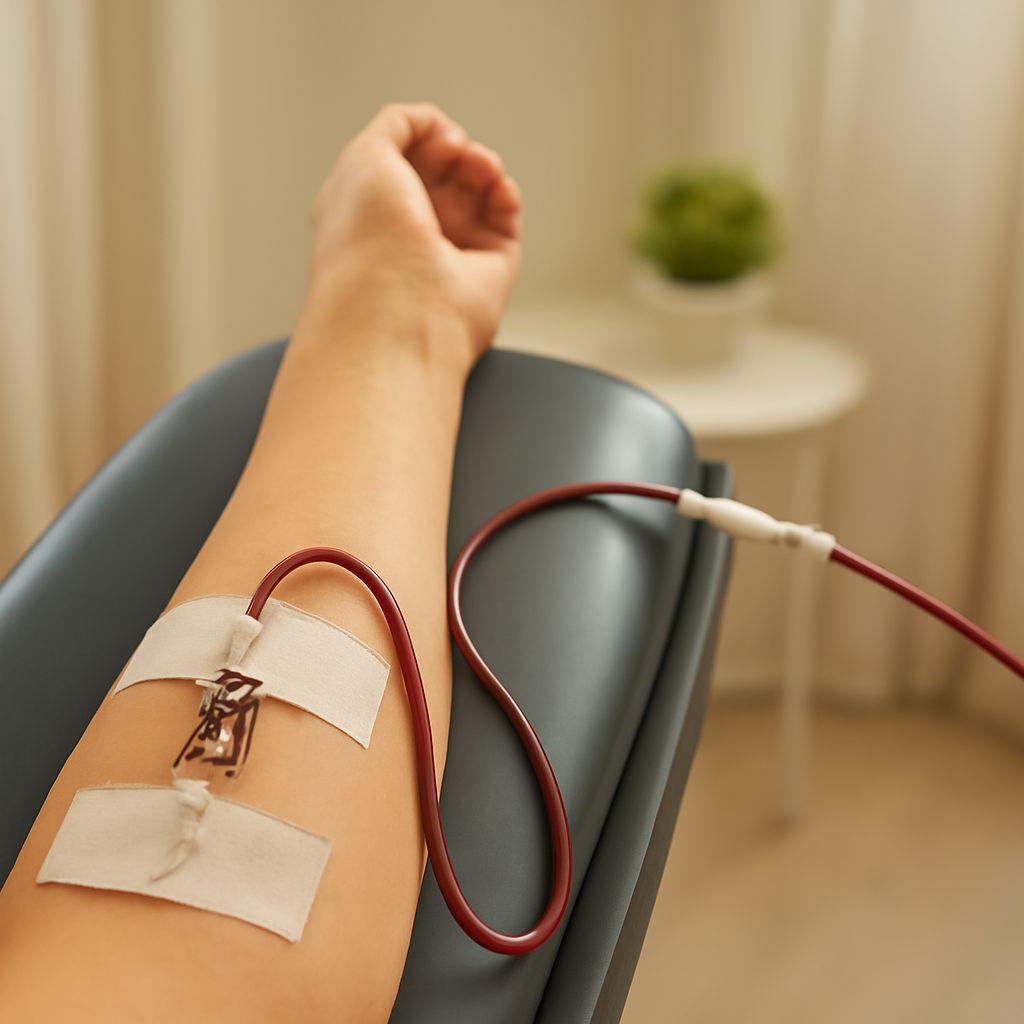
For those dealing with unexplained fatigue, persistent weakness, or a diagnosis of iron deficiency anemia, iron infusion offers a way to restore energy and support overall health when oral supplements are not enough. Understanding how iron infusion for anemia works, and knowing the possible iron infusion side effects, can help patients prepare for treatment and recover with confidence. This article explores the differences between iron infusion and iron transfusion, outlines each key benefit, and offers detailed, practical guidance on what to expect from the process.
Whether iron infusion side effects are a concern, or you’re seeking details on iron transfusion as an alternative, this overview draws on hands-on clinical experience to clarify each step. By learning how iron infusion for anemia is administered, and what can be expected during and after treatment, individuals can make informed decisions alongside their healthcare provider and minimize discomfort or complications.
Understanding Iron Infusion and Iron Transfusion
Iron infusion and iron transfusion are two common methods for addressing iron deficiency, but they differ significantly in how iron is delivered and absorbed. With iron infusion, elemental iron is dissolved in a saline solution and administered directly into the bloodstream through a slow intravenous drip. In contrast, iron transfusion typically refers to receiving blood from a donor, which contains red blood cells loaded with iron, to rapidly correct severe anemia or acute blood loss.
Both iron infusion and transfusion are performed in controlled clinical environments, but the infusion process often takes longer and is used for patients whose bodies cannot absorb or tolerate oral iron supplements. Iron transfusions are usually reserved for emergencies, when a rapid increase in hemoglobin is needed due to heavy bleeding or when anemia is life-threatening. By splitting the phrase, it’s helpful to know that iron infusion, unlike transfusion, delivers iron without the risks associated with blood-borne pathogens or immune reactions that can accompany donor blood products.
Choosing between an iron infusion and the transfusion method depends on the underlying cause and severity of the iron deficiency. While both increase iron levels, infusion is preferred for chronic conditions such as inflammatory bowel diseases, chronic kidney disease, or in pregnancy when oral iron is poorly tolerated. Transfusion, on the other hand, is chosen when time is of the essence or if the patient has heart or respiratory instability which cannot wait for a gradual iron build-up.
Understanding the distinction between iron infusion and the transfusion process helps set realistic expectations. Medical staff monitor vital signs closely during both procedures, and patients are usually observed for at least 30–60 minutes afterward. This close observation helps ensure any rare but serious reactions are caught early, making both approaches generally safe with proper care.
Iron Infusion for Anemia: The Process and Benefits
Iron infusion for anemia is prescribed when oral supplements fail to adequately restore iron stores, or when absorption is impaired by gastrointestinal conditions. The process starts with a blood test confirming low ferritin, hemoglobin, or iron saturation. A tailored dose of intravenous iron is then calculated based on weight, severity of deficiency, and the presence of other medical conditions.
Upon arrival for treatment, a patient may have a small IV catheter inserted into a vein, usually in the arm or hand. The iron solution is diluted and infused slowly over 15 minutes to several hours, depending on the formulation. Some modern preparations allow completion in under 30 minutes, reducing inconvenience and time away from work or family obligations. Throughout the infusion, nurses regularly check for signs of allergic reaction, monitor blood pressure, and assess patient comfort.
Partial benefits of iron infusion for anemia include a predictable rise in energy and hemoglobin, often noticed within 1–2 weeks after the session. Many patients report measurable improvements in exercise tolerance, clarity of thought, and a reduction in symptoms such as dizziness or rapid heartbeat. Unlike oral iron, which can irritate the stomach or cause constipation, infusion bypasses the digestive tract, resulting in fewer gastrointestinal complaints for most recipients.
There are additional advantages to iron infusion for those with chronic illnesses. Patients with celiac disease, inflammatory bowel disease, or ongoing blood loss receive direct replenishment of iron, without waiting for slow absorption or risking flare-ups from oral supplements. For pregnant women unable to tolerate oral iron, infusion offers a safe alternative with rapid results, supporting both maternal and fetal health. Overall, iron infusion for anemia is a reliable, well-studied intervention for boosting iron levels and improving quality of life.
Iron Infusion Side Effects and What to Watch For
While iron infusion side effects are generally mild, being aware of potential reactions can help patients stay alert and seek timely medical attention. The most common side effects include a metallic taste in the mouth, mild headache, or temporary sensations of warmth and redness along the infusion vein. These reactions, though unpleasant, typically resolve within an hour and don’t require further intervention.
More rarely, some individuals experience partial infusion-related side effects such as low blood pressure, joint or muscle aches, or transient nausea. To minimize these iron infusion side effects, medical teams may slow the infusion rate or provide pre-medication with antihistamines. Patients are encouraged to hydrate well before and after the session and to notify staff immediately if symptoms like difficulty breathing, hives, or chest pain occur during or soon after the procedure.
Longer-term or delayed iron infusion side effects can include temporary skin discoloration at the injection site, which may last several months if iron leaks outside the vein—a risk reduced through meticulous IV placement and monitoring. Severe allergic reactions, called anaphylaxis, are exceedingly rare with newer formulations but remain a reason for close observation for at least 30 minutes post-infusion. Monitoring for delayed iron infusion side effects such as joint pain or fever is also important, with follow-up blood tests to confirm a safe and adequate rise in iron and hemoglobin levels.
Patients considering iron infusion for anemia should compare the risks and benefits with those of iron transfusion, especially if they have underlying allergies or sensitivities. Overall, with proper protocol, most iron infusion side effects are manageable and transient, allowing recipients to return to their daily routine with minimal disruption.
Bottom line: Iron infusion is a safe, effective way to treat iron deficiency anemia, especially when oral supplements fail or are not tolerated. While mild and temporary side effects are possible, careful monitoring and modern protocols make serious complications rare. Patients can expect measurable improvements in well-being within weeks, supporting recovery and daily activities.