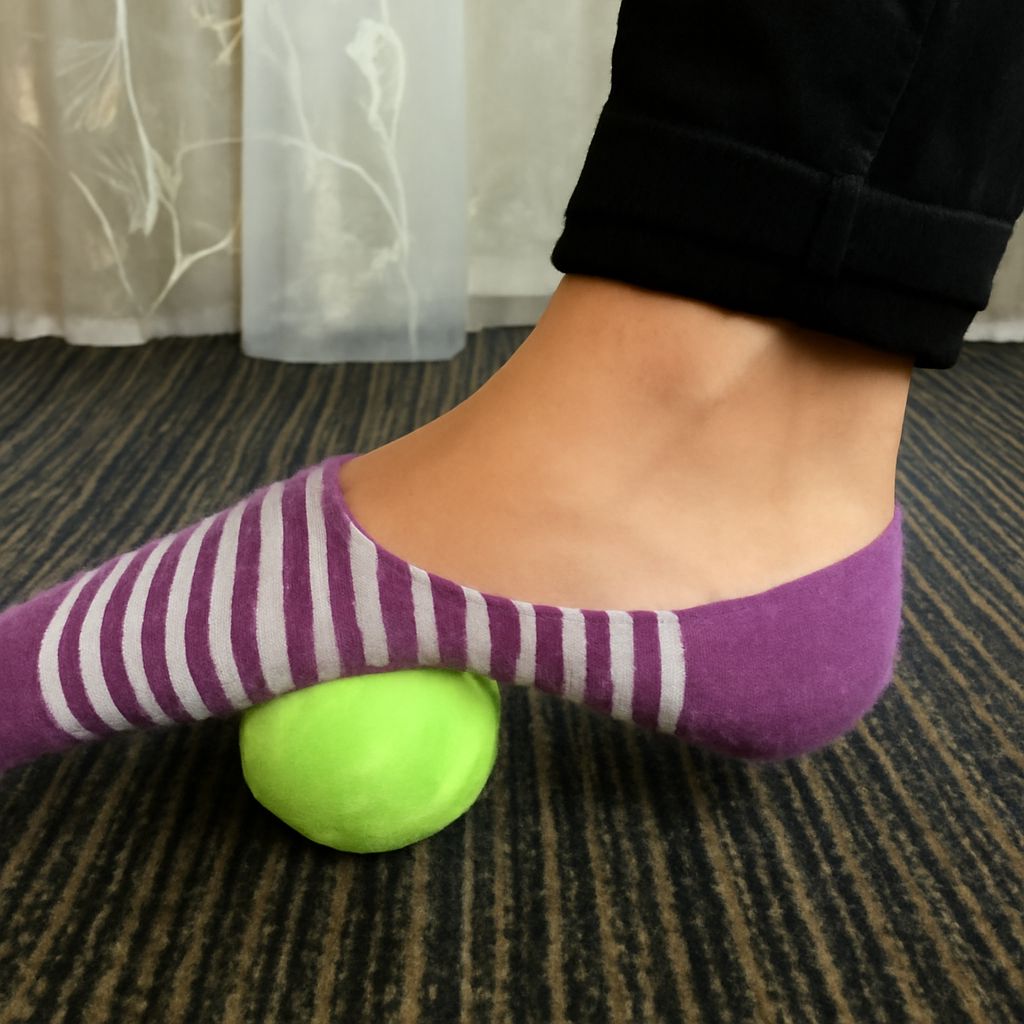
Persistent heel pain can disrupt daily life, making even the simplest tasks uncomfortable. By understanding how to treat plantar fasciitis, individuals can find lasting plantar fasciitis relief and regain comfort in every step. Whether you’re seeking to treat plantar fasciitis at home or exploring medical solutions, proven strategies exist for effective treatment and prevention.
Learning about plantar fasciitis treatment helps address the root causes, reduce inflammation, and prevent future pain. This guide covers everything from home-based care to advanced options, offering clear steps for treating plantar fasciitis pain quickly and safely.
Understanding Plantar Fasciitis and Its Causes
Plantar fasciitis is a common condition that affects the thick band of tissue running along the bottom of the foot, connecting the heel bone to the toes. This tissue, called the plantar fascia, acts as a shock absorber and supports the foot’s arch. Repetitive strain, excessive pressure, or minor tears can inflame this tissue, leading to heel pain that is often most intense with the first steps after waking or after periods of rest.
Typical causes include sudden increases in physical activity, standing for extended periods on hard surfaces, or wearing unsupportive footwear. Individuals with flat feet, high arches, or abnormal walking patterns may be more prone to developing this painful condition. Overweight individuals and athletes are also at elevated risk due to increased strain on the plantar fascia.
The condition’s pain is generally felt under the heel and can range from a dull ache to a sharp, stabbing sensation. Without intervention, the discomfort can persist for months or even become chronic. Recognizing the underlying triggers and contributing factors is crucial to successful plantar fasciitis treatment and prevention.
A proper diagnosis involves evaluating symptoms and, if necessary, imaging tests to rule out other sources of heel pain. Healthcare providers frequently check foot flexibility, arch structure, and walking patterns to tailor an effective plan for relief.
How to Treat Plantar Fasciitis: First Steps
When first confronted with heel pain, initial actions can significantly impact recovery. The primary goal is to reduce inflammation and avoid activities that aggravate the plantar fascia. Rest remains fundamental—limiting activities such as prolonged standing, running, or intense exercise gives the tissue time to heal. Short walks on soft surfaces, while avoiding barefoot walking on hard floors, can help minimize ongoing irritation.
Ice therapy is a simple but effective early measure. Rolling a frozen water bottle or ice pack under the sole for 10 to 20 minutes several times daily may reduce swelling and numb discomfort. Combining icing with gentle stretching of the calf muscles and Achilles tendon improves flexibility and lessens tension on the plantar fascia. Simple routines performed two or three times daily, such as towel stretches or toe raises, can support the healing process.
Choosing appropriate footwear is another critical step. Supportive shoes with cushioned soles and firm arch support help distribute pressure evenly, decreasing strain on the inflamed tissue. Over-the-counter orthotic inserts or heel cups may further reduce impact, especially for those with flat or highly arched feet.
For those seeking prompt plantar fasciitis relief, nonsteroidal anti-inflammatory drugs (NSAIDs) like ibuprofen can be used under a healthcare provider’s guidance to control pain and swelling during the acute phase.
Home Remedies for Plantar Fasciitis Relief
Many individuals prefer to begin with home-based strategies to treat plantar fasciitis before considering more invasive interventions. Consistent stretching and strengthening routines form the cornerstone of effective self-care. Exercises such as toe curls, marble pickups, or resistance band stretches enhance foot strength and promote optimal foot mechanics, providing sustainable relief over time.
Massage can also alleviate discomfort. Using a tennis ball or foam roller, gently roll the arch for several minutes, applying moderate pressure to break up tension and stimulate blood flow. This tactile approach, when performed daily, can offer noticeable improvements after a week or two.
Night splints, available at most pharmacies, hold the ankle in a neutral position during sleep, maintaining gentle tension on the plantar fascia. Wearing a splint nightly for several weeks may help decrease morning pain and stiffness, especially for those with persistent symptoms.
Supportive taping techniques, such as low-dye taping or kinesiology tape, can offer temporary support during activity and reduce stress on the inflamed tissue. Learning the correct taping method from a healthcare professional or instructional resource ensures proper application and effectiveness.
Medical Plantar Fasciitis Treatment Options
When conservative measures fail to deliver sufficient plantar fasciitis relief after several weeks or months, medical options may become necessary. Physical therapy offers personalized stretching, strengthening, and manual therapy techniques, often resulting in measurable pain reduction after several sessions. Therapists may use ultrasound, soft tissue mobilization, or gait retraining to address biomechanical flaws.
Corticosteroid injections are occasionally used for severe or persistent pain. These injections target local inflammation but must be administered with caution, as repeated use may weaken the plantar fascia over time. Most patients experience temporary symptom relief, typically for several weeks to a few months.
Advanced interventions include extracorporeal shockwave therapy, which uses targeted sound waves to stimulate tissue repair. This procedure is typically performed over a series of sessions and is reserved for chronic cases that have not responded to other treatments. In rare instances, surgical release of the plantar fascia may be considered when all other approaches have failed after six to twelve months of treatment.
Collaboration with a podiatrist or orthopedic specialist ensures that the most appropriate and evidence-based strategy is selected, while monitoring for complications such as nerve symptoms or structural foot changes.
Preventing and Managing Flare-Ups
Long-term management focuses on minimizing risk factors and sustaining plantar fasciitis relief. Maintaining a healthy weight reduces excess pressure on the feet, while engaging in low-impact activities such as swimming or cycling keeps fitness levels high without overburdening the plantar fascia. Regular stretching of the calves, Achilles tendons, and foot arches should remain a daily habit, particularly before and after physical activity.
Footwear selection plays a lasting role in prevention. Shoes should offer sufficient shock absorption, arch support, and a secure fit. Replace worn-out shoes every 300 to 500 miles of walking or running, and avoid unsupportive sandals or flats for extended periods. Custom orthotics, prescribed by a specialist, may be recommended for those with abnormal foot mechanics.
Periodic self-assessment is essential. Monitoring for early signs of heel discomfort and responding quickly with rest, icing, and stretching can prevent mild symptoms from escalating into chronic pain. Keeping a symptom diary helps identify triggers, such as new exercise routines or prolonged standing, allowing for timely adjustments.
If flare-ups occur, reverting to initial treatment steps and consulting a healthcare provider for guidance will help preserve mobility and comfort. With consistent care and attention to risk factors, most individuals can achieve lasting relief and avoid recurrence.