If you notice a small lump or swelling near your vaginal opening, it can be uncomfortable and concerning. Understanding the underlying reasons for a cyst on labia—including the common Bartholin cyst—can help in managing symptoms and making informed decisions about care. Recognizing the signs, knowing when to seek help, and learning how to prevent future issues offers reassurance and supports intimate health.
This article provides a thorough look at the Bartholin gland cyst, explores the causes and symptoms of a cyst on labia, and covers practical steps for diagnosis, treatment, and prevention. By focusing on both immediate relief and long-term management strategies, the guide is designed to help individuals address labial cysts with confidence.
What Is a Bartholin Cyst?
A Bartholin cyst develops when the duct of one of the Bartholin glands—located on each side of the vaginal opening—becomes blocked. These glands act as natural lubricators during sexual activity, but if fluid can’t escape, a painless or sometimes tender swelling may form. This type of cyst on labia is typically smooth, round, and varies from the size of a pea to a marble.
Unlike some labial cysts that resolve on their own, a Bartholin gland cyst can persist for weeks. If bacteria enter the blocked duct, the lump may become infected and lead to an abscess, which is often painful, red, and warm to the touch. Partial blockage sometimes allows fluid to slowly leak, causing discomfort that comes and goes.
Most Bartholin cysts are benign, but ongoing symptoms or rapid enlargement warrant evaluation to rule out rare but serious conditions. The cyst’s location—usually at the lower part of one side of the vaginal opening—and its soft, moveable quality help clinicians distinguish it from other types of growths or nodules.
Common Causes of a Cyst on Labia
The primary trigger for a Bartholin gland cyst is duct blockage, but what causes this obstruction varies. Thickened mucus, minor trauma during shaving or intercourse, or chronic irritation can partially or fully obstruct the gland’s tiny opening. Bacterial infections, including some sexually transmitted infections, are another risk factor for developing a cyst on labia.
Less commonly, cyst formation follows after local inflammation or poor hygiene that allows bacteria to flourish. Hormonal shifts, particularly those linked to pregnancy or menopause, may make the gland more vulnerable to clogging. Women in their reproductive years, especially ages 20 to 30, more frequently experience these cysts than postmenopausal individuals.
Other types of labial cysts, such as epidermal inclusion cysts, can develop when skin cells become trapped under the surface following minor injuries. These cysts may resemble a Bartholin gland cyst, but do not originate from the gland itself. Recognizing the underlying cause helps guide treatment, especially if infections or persistent irritation are present.
Recognizing Symptoms of Bartholin Gland Cysts
Early-stage Bartholin gland cysts often produce no symptoms. Someone might only notice a painless, small swelling while washing or during routine self-exams. As the cyst enlarges, it can cause pressure, discomfort with walking, or pain during intimacy.
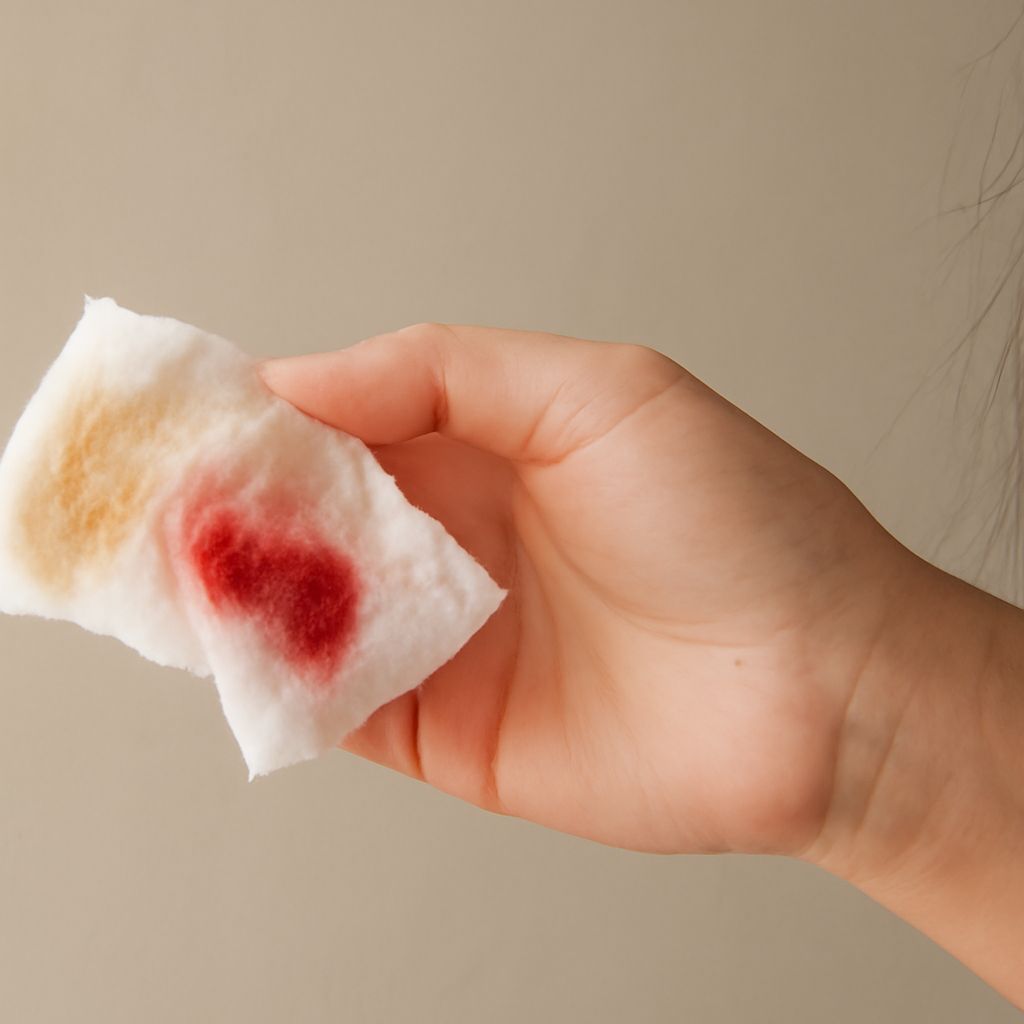
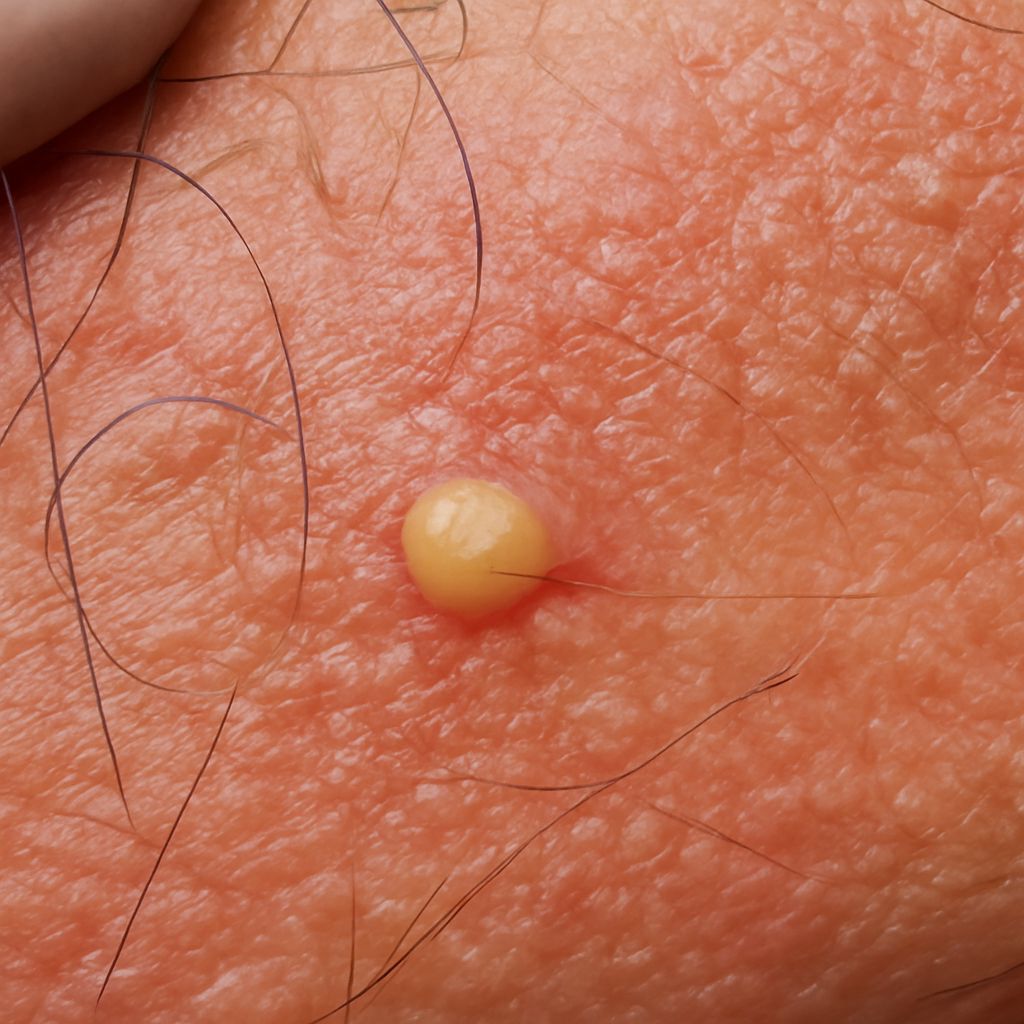
If the cyst becomes infected, symptoms quickly escalate. Pain intensifies, and it may become difficult to sit or move comfortably. Redness, swelling, and occasional fever or chills can develop within one to two days if an abscess forms. Discharge of pus or fluid—sometimes foul-smelling—may occur when the cyst opens on its own.
The location of a cyst on labia, along with its size and tenderness, offers clues to its cause. Partial discomfort and intermittent swelling point toward simple cysts, while rapid changes signal infection or abscess formation. Any firm, irregular, or fixed growth should be evaluated promptly, as it may be unrelated to the Bartholin gland and could require a different approach.
How Are Labial Cysts Diagnosed?
Diagnosis begins with a gentle physical examination by a healthcare provider. They will assess the size, consistency, and exact location of the cyst on labia, looking for signs of infection or other causes. In most cases, a straightforward inspection is enough, but unusual features may prompt further tests.
If the cyst feels unusually firm, fixed, or is present in someone over the age of 40, a biopsy may be recommended to rule out rare malignancies. Swabs may be taken if infection or a sexually transmitted disease is suspected. Ultrasound imaging is occasionally used to distinguish between fluid-filled cysts and solid masses or to map the extent of an abscess.
Timely diagnosis ensures appropriate treatment of Bartholin gland cysts, particularly when infections are present or there is uncertainty about the swelling’s nature. Clear communication with healthcare providers about changes in size, pain levels, and any discharge helps ensure accurate identification and management.
Treatment Options for Bartholin Cysts
Most small, asymptomatic Bartholin cysts require no treatment and may resolve naturally within days to weeks. Simple at-home measures, like daily warm sitz baths lasting 10–15 minutes, can promote drainage and comfort. Over-the-counter pain relievers—such as ibuprofen or acetaminophen—help manage mild discomfort.
If the cyst becomes larger, starts causing pain, or forms an abscess, medical intervention may be necessary. A common office procedure is incision and drainage, performed under local anesthesia. In cases where cysts recur, a minor surgery called marsupialization creates a new permanent opening to prevent future blockages.
Antibiotics are prescribed if infection is suspected or confirmed. For persistent, recurrent, or unusually complex cysts, complete removal of the Bartholin gland may be considered. Treatment decisions depend on the cyst’s size, symptoms, and infection risk, balancing effectiveness with the least invasive options.
When to See a Doctor About a Cyst on Labia
Not all cysts require urgent care, but certain signs mean timely evaluation is important. Seek medical attention if the cyst on labia rapidly enlarges, becomes painful, or is accompanied by fever or chills. Any cyst producing pus, a foul smell, or significant redness should be examined, as these may indicate abscess formation or infection.
Cysts persisting for more than a few weeks, those recurring multiple times, or any new growths in individuals over 40 years old call for professional assessment to rule out other causes. If pain interferes with daily activities or if over-the-counter medications provide no relief, a healthcare visit is warranted. Prompt evaluation and intervention can prevent complications and ensure peace of mind.
Open communication about symptoms, changes, and personal medical history will help clinicians tailor the best treatment plan. Timely diagnosis and management are essential for preventing chronic discomfort and complications linked to untreated Bartholin gland cysts.
Tips to Prevent Bartholin and Labial Cysts
While not all cysts on labia can be prevented, certain habits may reduce their likelihood. Practicing good personal hygiene, including gentle cleansing of the vulvar area, helps prevent irritation and infection. Wearing loose, breathable clothing—preferably cotton underwear—can minimize moisture and lower bacterial growth.
After activities like exercise or swimming, changing out of damp clothing quickly will reduce irritation. During intimate activity, using adequate lubrication decreases trauma to the glands. Avoiding unnecessary douching or harsh soaps also helps maintain the delicate skin barrier around the Bartholin gland and labia.
Regular self-exams make it easier to notice early changes and seek prompt care when needed. Open communication with healthcare providers about any recurring issues or symptoms supports long-term prevention and health. These straightforward steps foster comfort and reduce the risk of future Bartholin cysts or other types of labial cysts.
Key takeaways: Early recognition and simple home care can resolve most Bartholin gland cysts, but persistent or painful lumps deserve medical attention. Preventive habits and timely diagnosis minimize complications and support intimate health. Understanding the signs, causes, and treatment options for a cyst on labia empowers individuals to make informed decisions about their care.