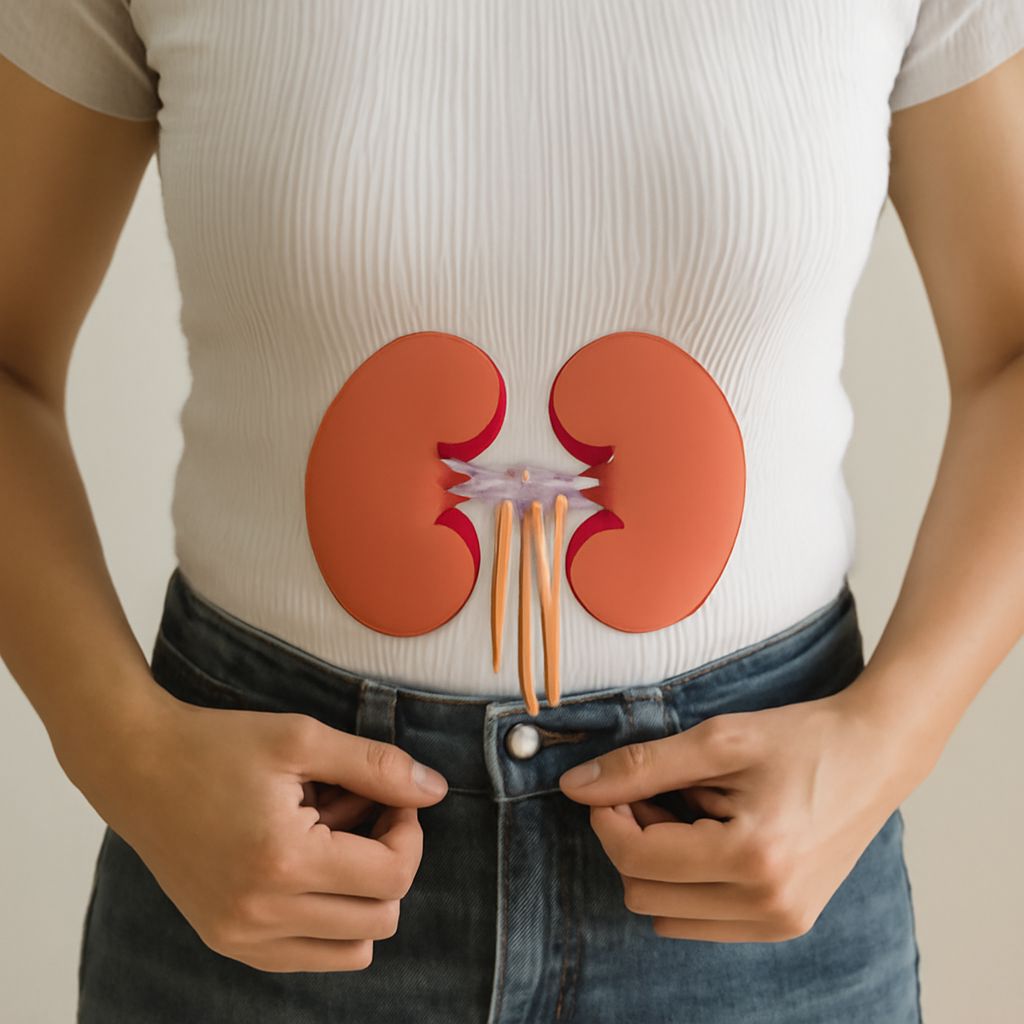
Understanding the nuances of kidney pain can significantly improve your ability to identify potential kidney issues early. The kidney pain location can often be misleading, as it may radiate to various parts of the body, complicating diagnosis. Knowing what kidney pain feels like is crucial not only for your peace of mind but also for timely medical intervention. This article delves into the intricacies of kidney pain, helping you comprehend its causes and symptoms.
Where is Kidney Pain Felt?
Kidney pain is typically felt in the back, just below the rib cage on either side of the spine. This area might not be the first place you consider when experiencing discomfort. Often, people confuse it with typical back pain; however, the kidney pain location can sometimes extend into the sides and even the lower abdomen. This spread of pain can make it difficult to pinpoint the exact origin without professional medical advice. The sensation can range from a dull ache to a sharp, stabbing pain, depending on the underlying cause.
While back pain is common, the pain associated with the kidneys is often deeper and more localized near the spine. The location can further vary based on whether one or both kidneys are affected. If the pain is unilateral, it might indicate a condition affecting a single kidney, such as a kidney stone. Bilateral pain might suggest a more systemic issue, such as an infection or a genetic condition affecting both kidneys.
What Does Kidney Pain Feel Like?
The nature of kidney pain varies, often depending on the underlying issue causing the discomfort. Kidney pain typically manifests as a persistent, deep ache, but in some cases, it can feel sharp and sudden, particularly if a stone is moving within the urinary tract. Unlike muscle pain, kidney pain does not improve with movement and might worsen with certain positions or activities. This characteristic sets it apart from other types of back pain.
In addition to the type of pain, associated symptoms can provide further clues. Nausea, vomiting, fever, and changes in urine appearance such as cloudiness or blood are all potential indicators that kidney issues may be the source of your discomfort. Understanding these subtle distinctions can help you gauge the severity and urgency, prompting a timely visit to a healthcare professional.
Common Causes of Kidney Pain
Various conditions can lead to kidney pain, and identifying the exact cause is essential for appropriate treatment. Kidney stones are a prevalent cause, often resulting from dietary factors or dehydration. The pain from stones is typically acute and severe, prompting quick medical attention. Another common cause is pyelonephritis, a type of urinary tract infection that spreads to the kidneys. This condition often presents with fever and general malaise, in addition to localized pain.
Beyond infections and stones, other causes can include kidney cysts, which may be asymptomatic until they grow large enough to cause discomfort. Polycystic kidney disease is a genetic disorder that results in clusters of cysts, leading to pain and potentially impacting kidney function over time. Additionally, trauma or injury to the area around the kidneys can also cause pain, though this is usually accompanied by signs of physical injury or other symptoms.
Pro tips recap: Understanding kidney pain requires recognizing its location and distinguishing characteristics from other types of pain. Always consider associated symptoms and seek professional evaluation if kidney issues are suspected. Timely identification and treatment can prevent complications and promote better health outcomes.