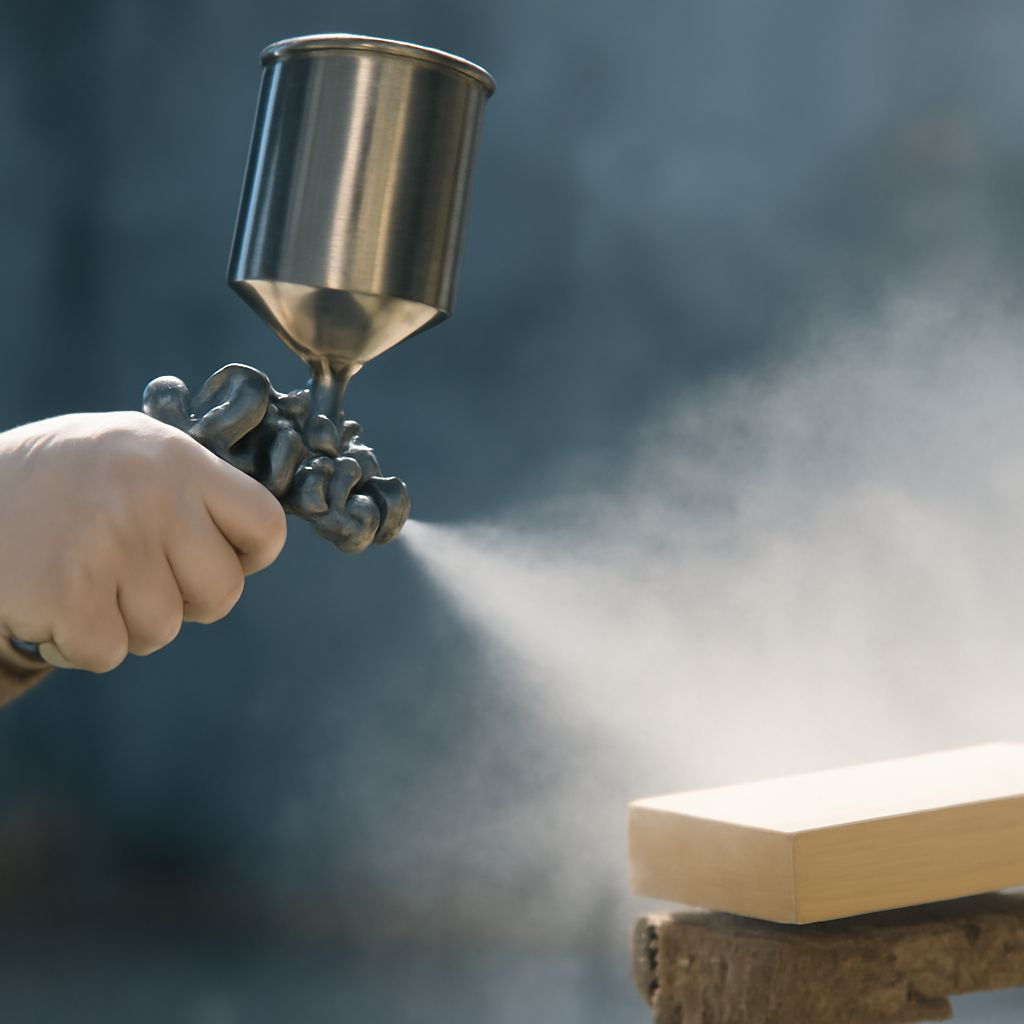
Spray painting is a quick and efficient way to breathe new life into everyday objects or complete large projects with ease. Understanding how long spray paint takes to dry is crucial to achieving a smooth, flawless finish. Knowing the factors that affect drying time not only optimizes your workflow but ensures a perfect end result. Whether you are a seasoned painter or a novice, discovering the intricacies of spray paint drying can transform your painting experience.
Understanding Spray Paint Drying Time
Spray paint drying time can vary significantly depending on several key factors. Generally, most spray paints dry to the touch within 30 minutes to an hour. However, complete curing might take 24 to 48 hours. This distinction between drying and curing is important because while the paint might feel dry, it hasn’t fully adhered to the surface or reached its maximum durability.
Factors Influencing How Long Spray Paint Takes to Dry
Type of Surface
The surface being painted plays a significant role in determining how long spray paint takes to dry. Porous surfaces like wood and fabric tend to absorb paint and might require additional coats, extending drying time. In contrast, non-porous surfaces such as metal or plastic can cause paint to dry faster but may require special primers for better adhesion.
Environmental Conditions
Environmental factors such as temperature and humidity substantially affect drying times. Warm temperatures and low humidity levels generally accelerate the drying process, whereas cold and humid conditions can slow it down. It’s advisable to spray paint in a dry, warm environment for optimal results.
Type of Spray Paint
Different types of spray paints have varying drying times. Acrylic spray paints usually dry quickly, while enamel-based ones might take longer to dry and cure. Depending on the formula, the drying process can be affected by the specific chemical composition of the paint.
Tips to Speed Up Spray Paint Drying Process
There are several practical techniques to speed up the drying process of spray paint. Applying thin coats allows for faster drying and prevents drips. Utilizing fans or heaters can improve airflow and reduce humidity, speeding up drying time. Additionally, placing the painted object in a well-ventilated area can ensure it dries evenly and quickly.
Common Myths About Spray Paint Drying
Several misconceptions exist around spray paint drying. One common myth is that applying thicker coats reduces drying time—when in fact, it does the opposite. Another myth is that all spray paints dry at the same rate, ignoring the influence of surface type and environmental conditions.
Frequently Asked Questions
Can I Use a Hairdryer to Speed Up Drying?
Using a hairdryer can help speed up the drying process by providing focused heat and airflow, but it should be done cautiously. Keep the hairdryer at a distance to prevent the paint from bubbling or cracking due to excessive heat.
Does Humidity Affect Drying Time?
Humidity plays a pivotal role in spray paint drying time. High humidity levels can trap moisture in the paint, prolonging drying and potentially affecting the finish. It’s recommended to paint when humidity is low, ideally below 50%.
Key Takeaways: Understanding how long spray paint takes to dry involves considering surface type, environmental conditions, and paint composition. Proper preparation and environmental control can significantly enhance drying times, ensuring a durable and pristine finish every time.