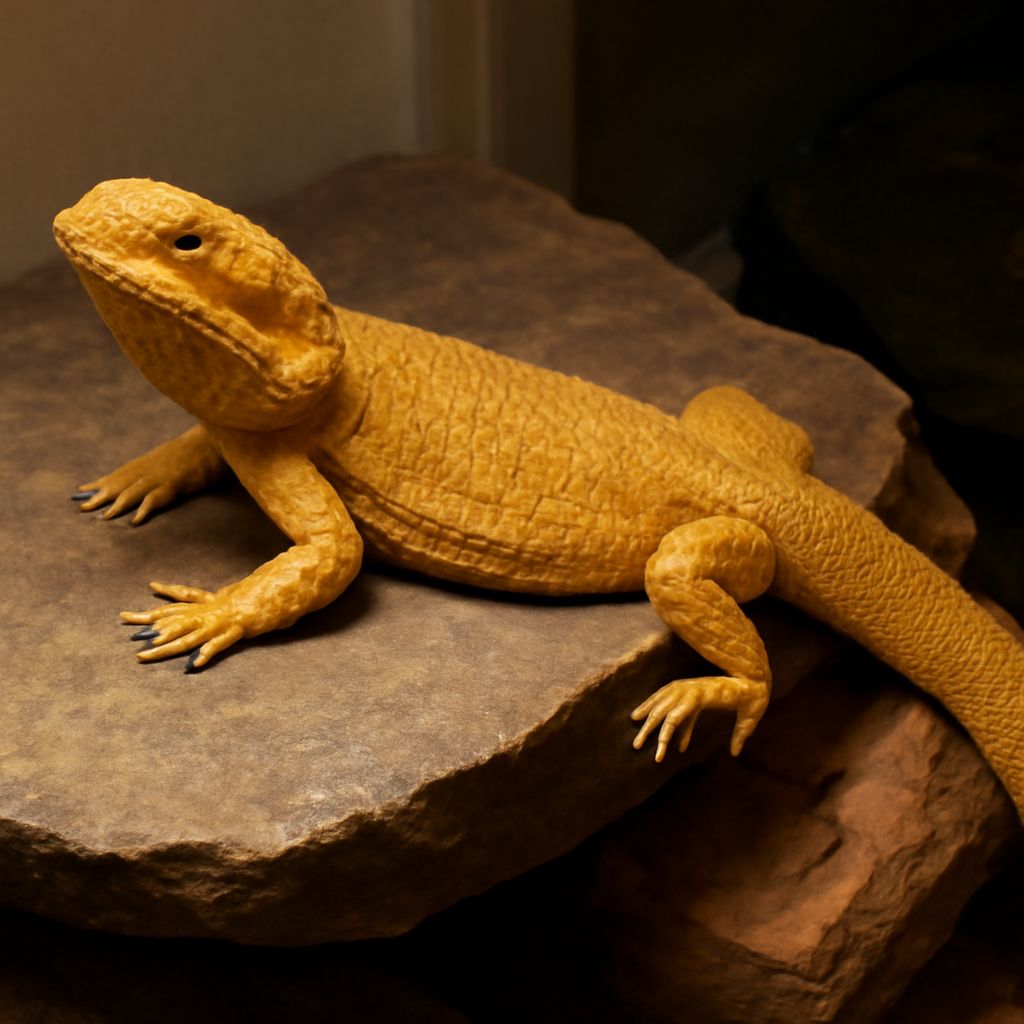
Bearded dragons, like many reptiles, have unique sleeping patterns that can tell a lot about their health and lifestyle. Understanding how long do bearded dragons sleep and recognizing the signs of a healthy sleeping bearded dragon can ensure your pet stays vibrant and active. With insights into what influences their sleep, owners can provide better care and address any concerns if their bearded dragon is sleeping a lot.
By exploring the nuances of how they sleep, pet owners can make informed decisions to promote a healthier environment and lifestyle for their beloved reptiles. This article provides essential knowledge on ensuring your pet is healthy by monitoring their sleep patterns effectively.
Understanding Bearded Dragon Sleep Cycles
How Long Do Bearded Dragons Sleep?
Bearded dragons generally sleep for about 8 to 12 hours per night, mimicking the natural day-night cycle they would experience in the wild. The exact duration of their sleep can be influenced by the lighting schedule maintained in their habitat. It is crucial for bearded dragons to have a consistent light and dark cycle, usually set to 12 hours of light followed by 12 hours of darkness, to support their biological rhythms.
Factors Influencing Bearded Dragon Sleeping Patterns
Several factors can impact bearded dragon sleeping patterns. Temperature plays a significant role, as bearded dragons are ectothermic creatures relying on external heat sources to regulate their body temperature. A habitat that is too cold or too warm can disrupt their sleep. Additionally, diet and health status are crucial; a poor diet or underlying health issues can lead to changes in how long or how deeply they sleep.
How Do Bearded Dragons Sleep?
Typical Sleeping Positions
Bearded dragons exhibit a variety of sleeping positions. Commonly, they may sleep flat on their bellies, but it’s not unusual to find them perched on a branch or even upright against the wall of their enclosure. Some might even doze off while standing up, which can be quite a sight for new owners. Observing these typical sleeping positions can provide insight into their comfort and well-being.
Signs of a Healthy Sleeping Bearded Dragon
A healthy sleeping bearded dragon will have a relaxed posture, sometimes with their eyes partially closed, and they will breathe slowly and steadily. Their skin should appear vibrant, indicating proper hydration and nutrition. Occasionally, they might twitch or move slightly in their sleep, which is generally normal and might suggest dreaming.
Why Is My Bearded Dragon Sleeping a Lot?
Common Causes of Excessive Sleep
If a bearded dragon is sleeping a lot more than the typical 8 to 12 hours, it might be indicative of several conditions. Brumation, a hibernation-like state, is a common reason for excessive sleep, especially in colder months. During this time, bearded dragons may sleep more and eat less. Other causes can include stress, illness, or inadequate environmental conditions like improper lighting or temperature.
When to Consult a Veterinarian
While variations in sleep can occur, it’s important to consult a veterinarian if there are concerns about your bearded dragon’s health. Signs that warrant veterinary attention include lethargy when awake, refusal to eat, weight loss, or any noticeable changes in behavior. A professional can help determine if there is an underlying health issue that requires treatment.
Bottom line: Bearded dragons have specific sleep needs that are essential for their well-being. By understanding their sleep cycles, typical positions, and signs of a healthy sleep pattern, owners can ensure their pets thrive. Always monitor any significant changes and consult a veterinarian if needed to keep your bearded dragon healthy and happy.