Finding the right cpap mask for side sleepers involves more than choosing the smallest profile available. The best cpap mask for stomach sleepers shares some design characteristics—low-profile frames, flexible elbow connectors—but side and stomach sleeping place pressure on the mask from different angles, requiring different solutions. Cpap for side sleepers works best with masks that maintain a seal when the face contacts a pillow directly; most standard masks break their seal within 30–45 minutes of pillow contact as the headgear compresses. A cpap full face mask for side sleepers must solve this problem without adding so much bulk that the user cannot find a comfortable ear-to-mattress position. The best full face cpap mask for side sleepers achieves a seal through cushion flexibility rather than headgear tension, allowing slight mask rotation without air loss.
Mask Types and Side Sleeping Compatibility
Low-Profile Full Face vs. Nasal Pillow Options
Low-profile full-face masks designed specifically for side sleeping use a smaller cushion footprint and a rotating elbow that redirects the hose away from the pillow. The rotating elbow—also called a swivel connector—allows the hose to exit from the top of the head rather than the front of the face, eliminating the common side-sleeping problem where the hose catches on the pillow and torques the mask off-seal.
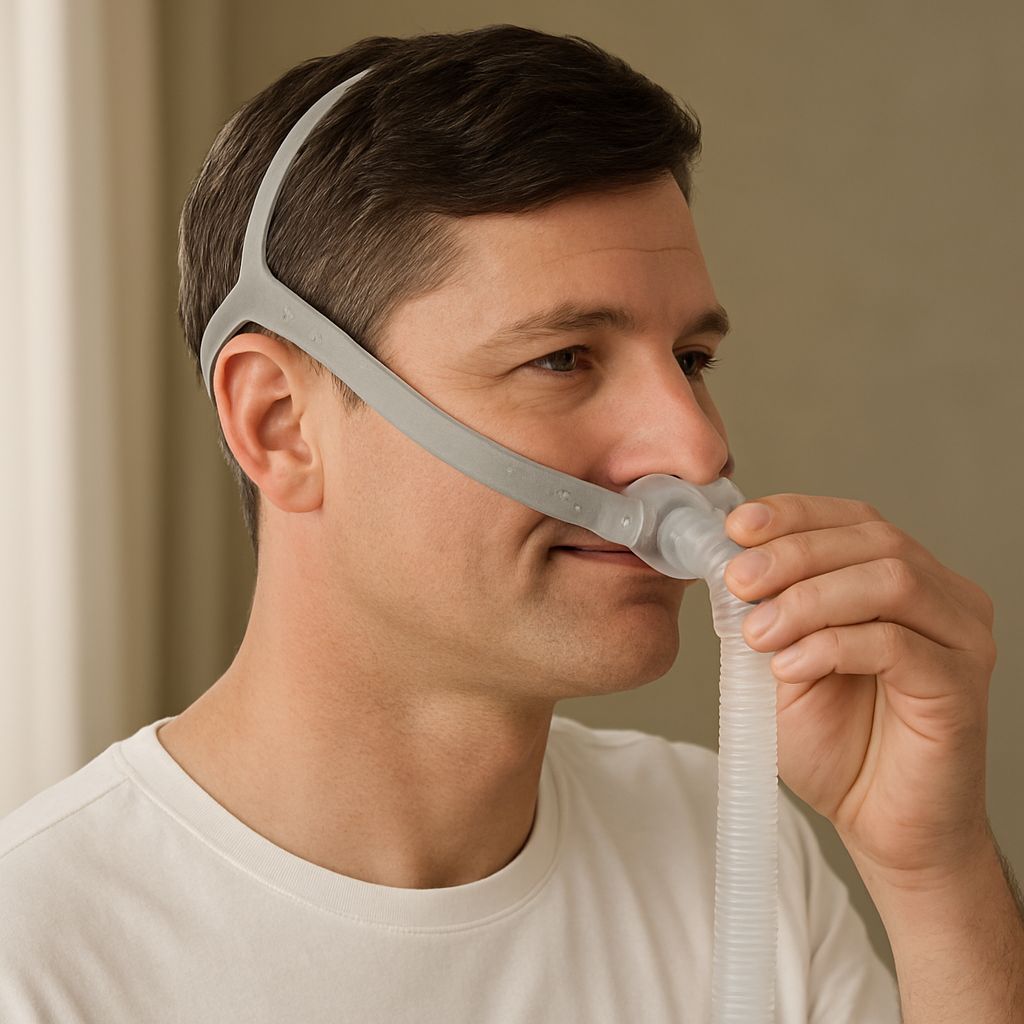
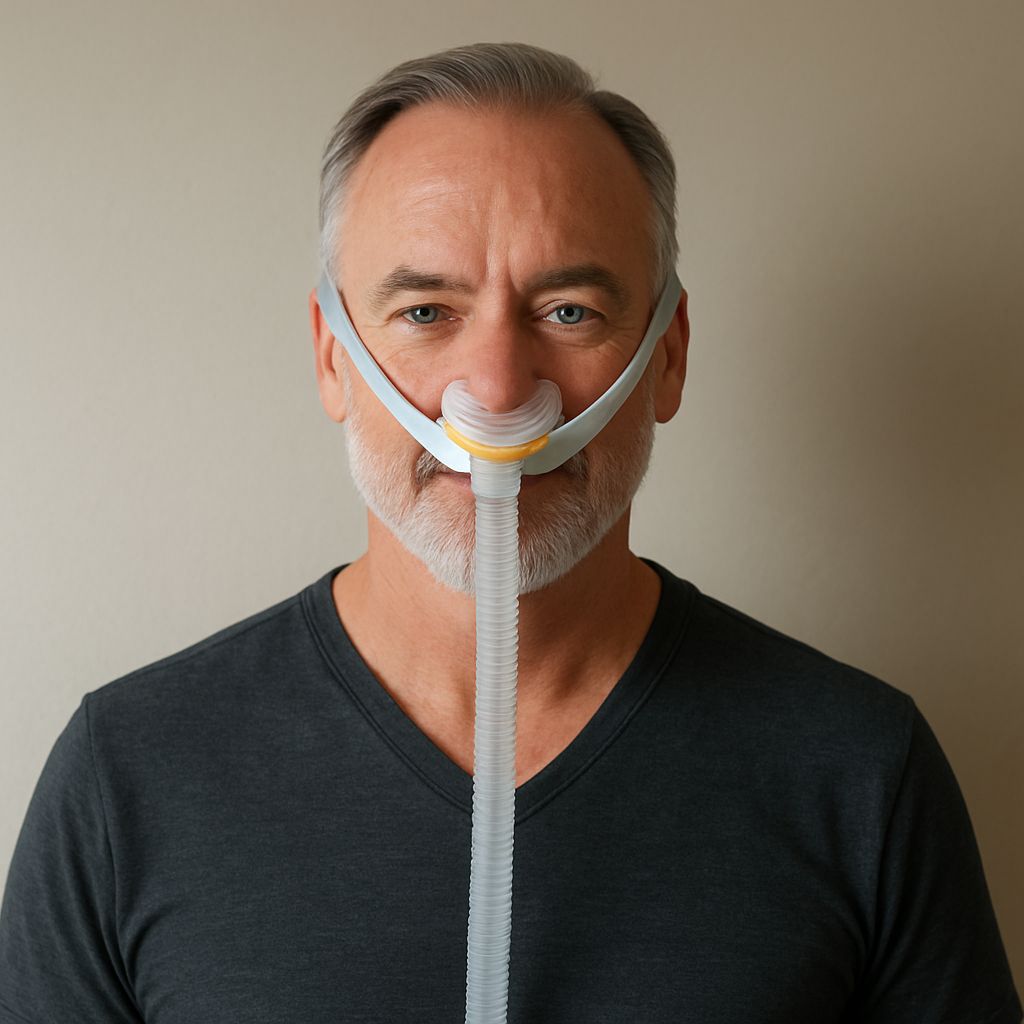
Nasal pillow masks are the first choice for most side sleepers because they contact only the nares, leaving the rest of the face free. The sealed surface area is minimal—two small silicone inserts—so there is almost nothing to compress when the face meets the pillow. The tradeoff is pressure range: nasal pillows handle 4–15 cm H2O well but struggle at higher pressures, where air velocity through the small nares openings causes discomfort. Mouth breathing while using nasal pillows requires a chin strap addition.
Pillow Design as a Mask Support Strategy
CPAP-specific pillows with cutout zones near the lateral edges allow the mask to recede into the pillow surface rather than being compressed against the face. The cutout removes approximately 2–3 inches of foam at the outer pillow quadrant, which accommodates most full-face mask depth ranges. Users switching to a CPAP pillow from a standard pillow report 60–70% fewer leak events at the first 30-day data download.
Pillow loft must still match shoulder width for side sleeping. A CPAP pillow that is too thin produces the same lateral cervical flexion as any underheight pillow, and a mask that fits well in neutral head position may begin to leak as the neck bends sideways during sleep. Measure pillow height the same way as for non-CPAP users: the gap between the ear and the mattress while lying flat equals the needed pillow loft.
For stomach sleepers requiring a full-face mask, a front-resting mask design with a hose that exits from the forehead is the only configuration that allows prone sleeping without mask compression. These designs are less common and generally require physician documentation for insurance coverage. Stomach sleeping with CPAP is strongly discouraged for users with moderate-to-severe apnea because prone positioning significantly increases mask leak rate and reduces therapy effectiveness across the entire sleep period.