New, unexplained chest pain needs urgent medical evaluation. Call 911 for chest pressure or discomfort with shortness of breath, sweating, nausea, fainting, or pain spreading to the arm, back, neck, or jaw. A heart attack or lung problem can cause chest symptoms, and pain linked to movement or coughing does not rule either out.
A pulled chest muscle can cause tenderness or pain after exertion or repeated coughing. A clinician can assess a suspected strain of the chest muscles in context, including how symptoms began and whether other signs are present. It is not possible to confirm the cause from the location or sensation alone.
Chest Muscle Strain: What Happens?
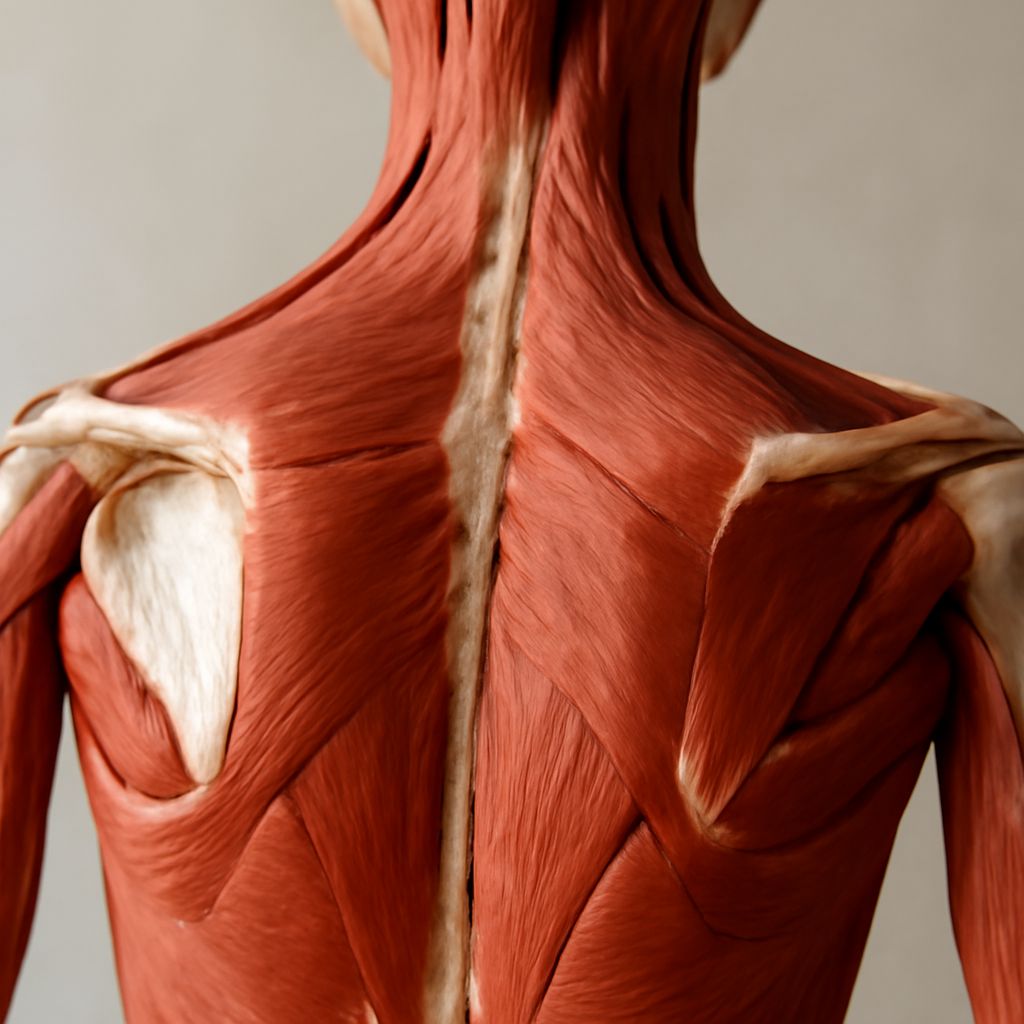
A muscle strain involves overstretching or tearing muscle fibers or the tendon that connects muscle to bone. Muscles in the chest help move the arms and ribs and support breathing. Strain may occur during an unfamiliar workout, heavy lifting, a sudden movement, or repeated coughing.
A pectoral muscle strain affects one of the muscles at the front of the chest that helps move the arm. Muscles between the ribs can also become sore or strained. The location and severity of symptoms vary, and chest discomfort can have many causes besides a muscle injury.
Pain after a particular activity can be a useful detail to share with a clinician. It does not, by itself, show that the activity injured a muscle. Even discomfort that seems reproducible with a movement or touch deserves attention if it is new, unexplained, severe, or accompanied by other concerning symptoms.
Signs That Need Immediate Attention
A heart attack can cause pressure, squeezing, fullness, or pain in the chest, sometimes with discomfort in the back, arm, jaw, or neck. Shortness of breath, nausea, lightheadedness, or a cold sweat may also occur. The symptoms vary, and not everyone has the same pattern. The American Heart Association recommends calling 911 for possible heart attack symptoms, even if the person is unsure.
A lung problem can also cause chest pain or breathing difficulty. Sudden shortness of breath, coughing up blood, fainting, or sudden severe chest pain needs emergency care. The presence of a recent workout or cough is not a reason to wait. Emergency services can begin assessment and care on the way to the hospital.
New chest pain without these additional symptoms still needs urgent medical assessment. A clinician can determine the appropriate setting based on the circumstances; a person with severe symptoms or uncertainty about a possible emergency should call 911 rather than drive.
How a Strain May Feel
A chest muscle strain may cause localized soreness, tenderness, or discomfort when moving an arm or upper body. Swelling or bruising can occur after an injury. A more substantial injury may cause marked weakness or difficulty moving the arm, particularly after a sudden event during lifting. These findings warrant prompt clinical assessment.
A muscle strain in the chest can also hurt when the rib cage moves during a deep breath or cough. That overlap is why breathing-related pain cannot reliably distinguish an injury from a lung or other chest problem. If breathing becomes difficult or the pain is sudden and severe, emergency assessment takes priority.
Repeated coughing places demand on the muscles around the ribs. A muscle strain from coughing is possible, but the cough itself also deserves attention, especially if accompanied by fever, shortness of breath, or blood. A clinician may need to investigate both the discomfort and the reason for the cough.
What an Assessment May Include
The clinician asks when the pain began, how it feels, what was happening at the time, and whether it changes with movement or breathing. They may ask about heart and lung conditions, recent illness, medicines, and any associated symptoms. The examination can include checking vital signs, listening to the heart and lungs, and examining the chest wall and shoulder.
Depending on the situation, tests such as an electrocardiogram, blood tests, or chest imaging may be needed to investigate heart, lung, or injury-related causes. A scan is not required for every suspected muscle problem. The choice follows the history, examination, and urgency of the symptoms.
If a clinician diagnoses a strain of a pectoral muscle, they may also assess strength and range of motion. Significant bruising, a sudden loss of strength, or a change in the shape of the chest or upper arm can require further evaluation for a more serious muscle or tendon injury.
Recovery After a Confirmed Strain
Recovery from a chest muscle strain depends on the extent of the injury, the activity involved, and the person’s overall health. A mild strain may improve sooner than a more substantial tear, but a fixed timetable cannot predict one person’s recovery. Follow-up is useful if improvement stalls or symptoms change.
A clinician may recommend temporarily reducing activities that provoke pain, then gradually returning to comfortable movement. Avoiding a painful heavy lift is different from keeping the entire upper body still. Gentle movement can help maintain function, and a physical therapist may provide a plan when the injury or daily demands call for one.
A wrapped cold pack or gentle heat may offer temporary comfort; protect the skin and stop if it increases pain. A pharmacist or clinician can advise whether an over-the-counter pain medicine is appropriate alongside other medicines or health conditions. Pain relief should not delay evaluation of new or unexplained chest symptoms.
Choose the Right Time to Seek Help
Call 911 immediately for chest pressure, serious breathing difficulty, fainting, or other possible heart attack symptoms. Obtain urgent medical evaluation for new unexplained chest pain, even when it seems related to movement or coughing. After a diagnosed muscle strain in the chest, contact the treating clinician promptly if pain worsens, bruising or weakness increases, breathing becomes painful, or recovery is not progressing; call 911 if emergency symptoms develop.