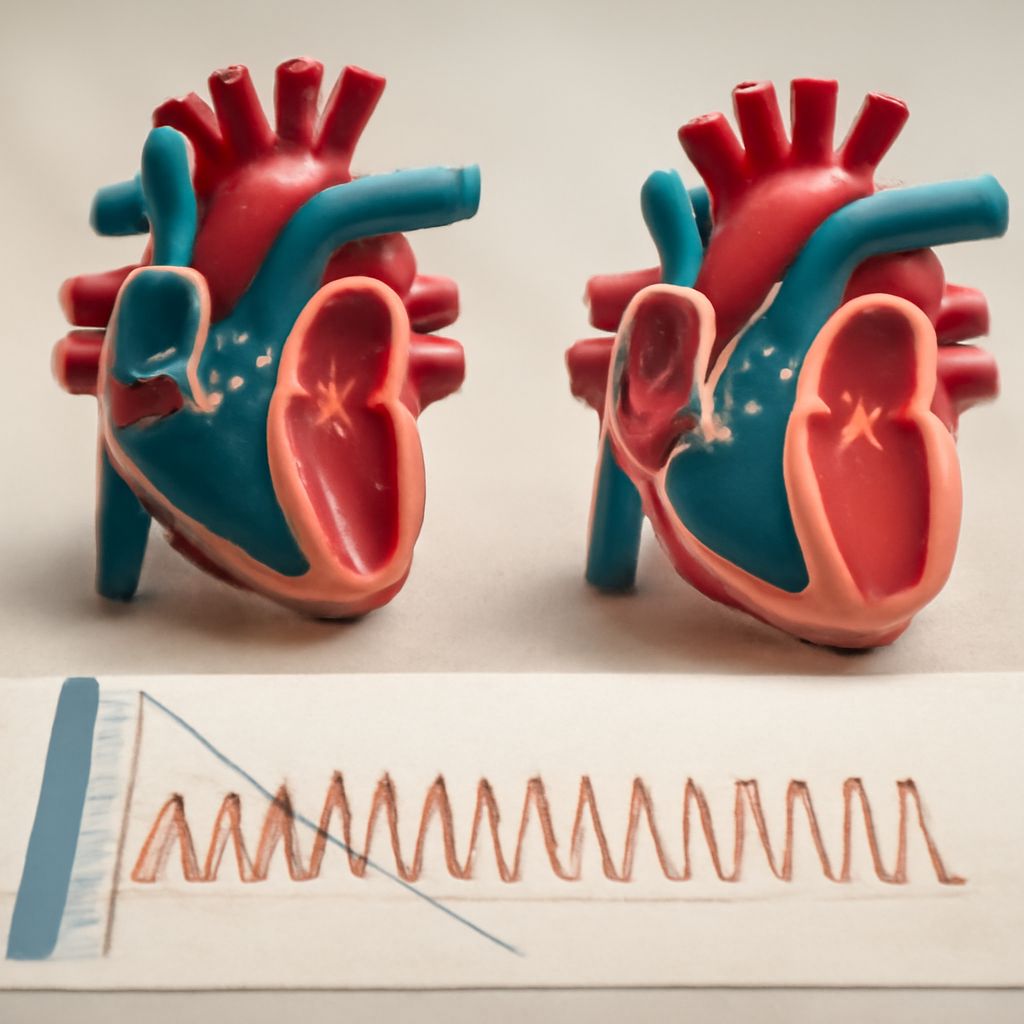
Understanding the numbers on your blood pressure reading can empower you to take better care of your health. The distinction between systolic vs diastolic is crucial for recognizing how your heart and blood vessels are functioning under different conditions. Knowing what the bottom number of blood pressure means helps you interpret readings with confidence, so you’re better equipped to respond to potential health concerns.
Many people focus only on the top figure, but diastolic blood pressure is just as important for a complete picture. By learning how to interpret systolic vs diastolic pressure, you can spot trends early, discuss results meaningfully with healthcare professionals, and make more informed decisions about your well-being.
What Does Systolic vs Diastolic Mean in Blood Pressure?
Blood pressure readings consist of two numbers presented as a fraction, such as 120/80 mmHg. The first (upper) number, called the systolic, measures the force of blood against artery walls when the heart contracts and pumps. The second (lower) number, known as the diastolic, records the pressure when the heart is at rest between beats.
Systolic vs diastolic readings each reveal different aspects of cardiovascular health. Systolic pressure reflects how hard the heart works during each beat and is often influenced by factors like physical activity, stress, and age. In contrast, the diastolic portion offers insights about the baseline tension in your arteries as your heart relaxes. Both values are vital for identifying risks related to hypertension, organ strain, and vascular damage.
While systolic numbers usually get more attention, understanding what drives systolic vs diastolic differences is key. Age, genetics, diet, and conditions such as atherosclerosis can impact the relationship between the two measures. For example, a greater gap between these numbers can signal stiffening arteries or other underlying health issues, which may require medical evaluation.
Regular monitoring, ideally at the same time each day and after five minutes of rest, helps capture accurate systolic and diastolic pressures. Tracking these numbers over time can reveal patterns linked to lifestyle, medication, or existing health conditions, and provides valuable feedback for managing your cardiovascular health.
Why Diastolic Blood Pressure Matters: The Bottom Number Explained
Many overlook the bottom number of blood pressure, but it plays a critical role in overall heart health. Diastolic readings indicate how much pressure blood is exerting against artery walls during the heart’s resting phase. When diastolic values are consistently elevated—for example, readings above 80–90 mmHg—they can signal increased risk for stroke, heart failure, and kidney damage, especially in adults under age 50.
Low diastolic blood pressure, on the other hand, may occur with aging, medication, or certain medical problems. If the bottom number drops too low—typically below 60 mmHg—it can reduce blood flow to organs like the brain and heart, potentially causing dizziness, fainting, or fatigue. Even when the systolic number seems normal, isolated changes in the diastolic can reveal hidden risks.
Understanding the relationship between systolic vs diastolic values is essential for detecting issues early. For instance, a high systolic but low diastolic reading can point to arterial stiffness, a risk factor for cardiovascular complications in older adults. Conversely, a high diastolic reading can signal excessive resistance in the blood vessels, which may require adjustments to diet, exercise, or medication.
Measuring and interpreting diastolic blood pressure accurately involves more than a single reading. To avoid misinterpretation, use a validated blood pressure monitor, sit quietly for several minutes before measuring, and repeat the process to check for consistency. Noting changes in the bottom number of blood pressure over weeks or months helps both patients and healthcare providers manage risks more precisely.
Systolic vs Diastolic Pressure: How to Keep Both in Check
Maintaining healthy systolic vs diastolic pressure requires a balanced approach that targets both numbers simultaneously. Lifestyle changes such as reducing sodium intake, following a diet rich in fruits and vegetables, and engaging in moderate aerobic activity (like brisk walking 30 minutes most days) are proven strategies. Such changes can gradually lower both systolic pressures and the bottom number of blood pressure, with measurable improvements often seen in four to eight weeks.
Weight management and stress reduction also play critical roles. Even a modest loss of 5–10% of body weight can lead to significant drops in both systolic and diastolic readings. Techniques such as deep breathing, meditation, or yoga can help regulate stress hormones, which otherwise elevate systolic vs diastolic levels. Limiting alcohol and quitting smoking further supports blood vessel health and improves overall cardiovascular resilience.
Medications may be necessary if lifestyle modifications alone do not achieve target values. Antihypertensive drugs, such as ACE inhibitors, beta-blockers, or diuretics, are prescribed based on individual risk profiles and how the systolic vs diastolic pressures respond to treatment. Regular follow-up is crucial, as some medications may lower one value more than the other, requiring periodic adjustments for optimal protection.
Effective monitoring at home is practical and provides ongoing feedback. Use an automatic cuff, measure at the same time daily, and record multiple readings to identify trends. If readings remain outside targets—usually below 120/80 mmHg for most adults—consult a healthcare provider to review management strategies and prevent long-term complications. Continuous attention to both systolic and diastolic numbers, along with professional guidance, delivers the best outcomes for heart and vascular health.
Key takeaways: Both systolic and diastolic pressures are essential for understanding your cardiovascular health. Consistent monitoring, healthy lifestyle choices, and timely medical advice can keep numbers within a safe range, protecting vital organs and reducing long-term risks.