Quick action can be the difference between life and death when it comes to a blood clot in lung. Pulmonary embolism (PE) is a dangerous but often misunderstood condition. Recognizing what is pulmonary embolism, understanding its rapid progression, and learning how long before a pulmonary embolism kills you can empower individuals to act decisively and potentially save lives.
Whether you have a family history of PE, are recovering from surgery, or just want to be proactive about your health, knowing the signs and prevention strategies is essential. This guide highlights the warning signals, risk factors, timing, and practical steps to reduce your risk of a life-threatening episode.
What Is PE and How Does a Blood Clot in Lung Develop?
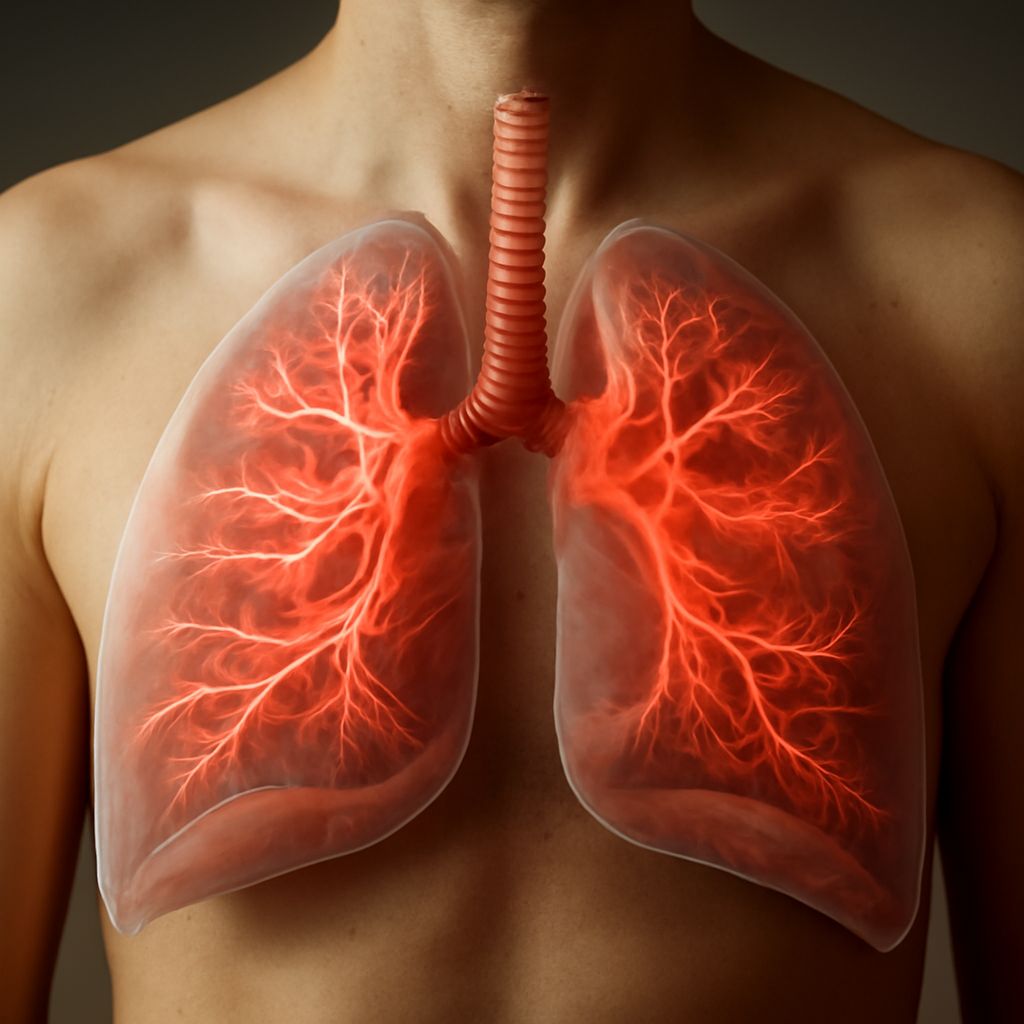
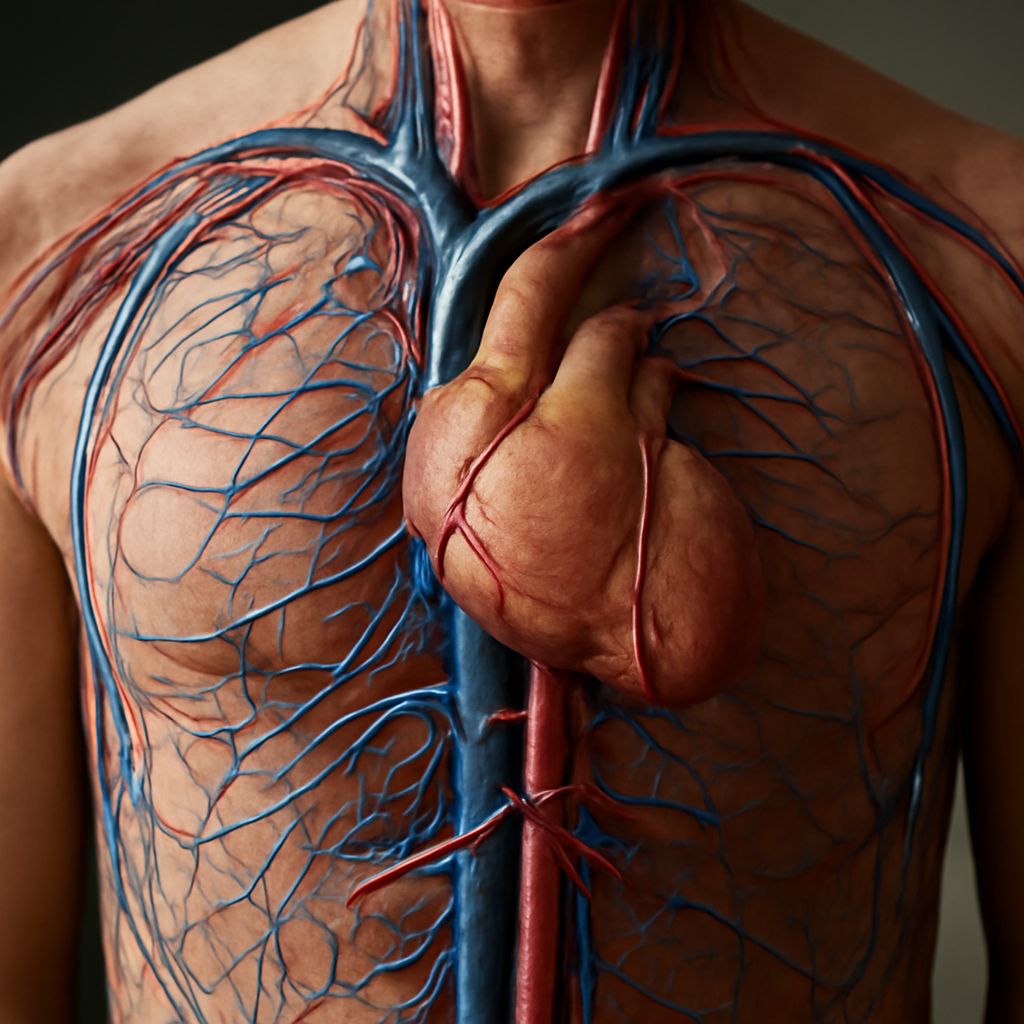
A pulmonary embolism—often abbreviated as PE—occurs when a blood clot, usually originating from deep veins in the legs or pelvis, travels through the bloodstream and becomes lodged in the arteries of the lung. This blockage can impede blood flow, reduce oxygen supply, and place immense stress on the heart. When medical professionals reference a blood clot in lung, they are talking about this sudden, dangerous obstruction in the pulmonary arteries.
The process typically begins with a deep vein thrombosis (DVT) in the leg or pelvis. If the clot breaks loose and migrates, it can reach the lungs within minutes or hours. At the microscopic level, the clot may initially block only a small vessel, but if it grows or more fragments arrive, larger portions of the lung can be deprived of oxygen. Tissues downstream from the blockage may die, leading to severe complications or even rapid death if untreated.
Factors like immobility, trauma, surgery, or genetic predisposition raise the odds of clot development. A period of inactivity—such as after a long-haul flight, hospitalization, or cast immobilization—can allow blood to pool, increasing clot formation risk. Clots may develop over hours or days before causing sudden symptoms if they reach the lungs.
Symptoms of a Blood Clot in Lung You Shouldn’t Ignore
Recognizing the signs of a blood clot in lung is critical for timely intervention. Symptoms can be sudden or develop over several hours, and their severity often depends on the size and location of the blockage. The most common signals include:
- Shortness of breath, which may appear abruptly and worsen with activity or lying down
- Sharp or stabbing chest pain that typically intensifies with deep breaths or coughing
- Rapid heart rate or palpitations, sometimes accompanied by a sense of anxiety or impending doom
- Coughing up blood or pink, frothy sputum
- Lightheadedness, fainting, or unexplained fatigue
Some symptoms can mimic other emergencies, such as heart attacks or pneumonia. Less obvious signs—like mild chest discomfort, low-grade fever, or isolated calf pain prior to the lung episode—may signal a developing issue. Any combination of these signs, especially after periods of immobility or surgery, should prompt immediate medical attention.
Not every person experiences dramatic symptoms. In smaller clots, only mild breathlessness or discomfort may occur. However, any suspicion of a blood clot in lung warrants emergency evaluation due to the unpredictable and sometimes rapidly escalating danger of PE.
What Is Pulmonary Embolism: Causes and Risk Factors
To understand what is pulmonary embolism, it’s important to consider the underlying causes and risk factors. PE develops when a blood clot forms elsewhere in the body and travels to the lungs, as previously described. The primary origin is a DVT, but clots can also arise after trauma or as a complication of certain medical conditions.
Risk factors include recent surgery (particularly orthopedic or pelvic procedures), active cancer, pregnancy, use of birth control pills or hormone therapy, genetic clotting disorders, obesity, and prolonged periods of immobility. Even temporary factors—such as a long car ride or a broken limb in a cast—can increase the risk for developing a clot that may ultimately cause PE.
Individuals with a personal or family history of blood clots or PE are at higher risk. Being aware of these triggers is key in understanding what is pulmonary embolism and how to prevent it. Specific medical conditions such as heart failure or inflammatory diseases also contribute to clot risk by altering blood flow or composition.
Healthcare providers may recommend mechanical devices like compression stockings or medications such as anticoagulants for high-risk individuals. Recognizing these factors, and seeking early guidance, is crucial for prevention and early detection.
How Long Before a Pulmonary Embolism Kills You?
One of the most urgent concerns is how long before a pulmonary embolism kills you. The time frame can range from minutes to several hours, depending on the size and location of the clot. Massive PEs—obstructing major branches of the pulmonary artery—can cause death within 30 to 60 minutes if not treated, due to sudden collapse of heart and lung function.
Smaller or more peripheral clots may allow for a longer window—sometimes several hours or even days—before causing fatal consequences. Clinical experience shows that roughly one-third of untreated PE cases can be fatal, often within the first few hours of symptom onset. Survival rates improve dramatically when treatment begins quickly.
The window for intervention is unpredictable, as some individuals deteriorate quickly with severe shortness of breath, low blood pressure, and cardiac arrest, while others experience milder symptoms that escalate more slowly. Monitoring vital signs, oxygen levels, and heart rhythm is essential in suspected cases. Early administration of blood thinners or clot-busting drugs has saved countless lives in emergency settings.
Diagnosis and Treatment Options for PE
When PE is suspected, immediate diagnosis is key. Doctors often begin with a physical exam, blood tests (such as D-dimer), and imaging studies. CT pulmonary angiography is the gold standard for visualizing clots in the pulmonary arteries. Other tools—such as echocardiograms and ventilation-perfusion scans—may be used based on the patient’s condition and hospital resources.
Treatment focuses on preventing further clot growth and allowing the body to gradually dissolve the existing blockage. Most patients receive anticoagulants such as heparin or warfarin. In severe or life-threatening cases, thrombolytic drugs (clot busters) or mechanical devices may be used to break up or remove the clot quickly.
Hospitalization may last several days, during which vital signs and oxygen saturation are closely monitored. Physical activity, deep breathing exercises, and graduated compression stockings can help reduce the risk of further clots. For those with recurrent PE or contraindications to blood thinners, filters may be placed in the main vein (inferior vena cava) to catch migrating clots before they reach the lungs.
Long-term management involves continuing anticoagulants for several months or longer, based on risk factors and recurrence. Regular follow-up, lab checks, and lifestyle adjustments play a role in preventing future episodes.
Prevention Tips for Avoiding a Blood Clot in Lung
Proactive steps can greatly reduce the risk of developing a blood clot in lung. Key strategies include frequent movement during travel or recovery, staying hydrated, and wearing compression stockings when appropriate. Health professionals often advise standing up and walking every one to two hours on long flights or road trips.
For those with surgical or medical risk factors, early mobilization and prescribed anticoagulant medications are critical. Reporting leg swelling, pain, or discoloration promptly can lead to rapid diagnosis of DVT before it progresses to PE. Maintaining a healthy weight, avoiding smoking, and managing chronic illnesses like diabetes or hypertension also contribute to clot prevention.
Patients on hormone therapy or with a history of clots should consult their physician about additional risk-reduction measures. Awareness and adherence to medical advice—especially in the weeks following hospitalization, injury, or major surgery—are essential in minimizing danger.
When to See a Doctor About PE Symptoms
Prompt recognition and response are crucial in suspected PE. Anyone experiencing sudden shortness of breath, sharp chest pain, fainting, or coughing up blood should seek emergency care without delay. If there are warning signs or risk factors present—such as recent surgery, immobility, or known clotting disorders—it is prudent to err on the side of caution and seek evaluation.
Doctors can rapidly assess symptoms, perform appropriate testing, and begin life-saving treatment if needed. Outpatient follow-up is essential after an initial PE event, as recurrences can occur, particularly in the first weeks and months after diagnosis. Patients should also communicate any new or worsening symptoms to their healthcare provider during ongoing anticoagulant therapy.
Delaying medical evaluation can be fatal, given the unpredictable time window of how long before a pulmonary embolism kills you. Early action and vigilance save lives.
Bottom line: Pulmonary embolism is a fast-moving, potentially deadly condition, but quick recognition and treatment can prevent tragedy. Understanding symptoms, risk factors, and prevention can empower individuals to act early and protect their health.