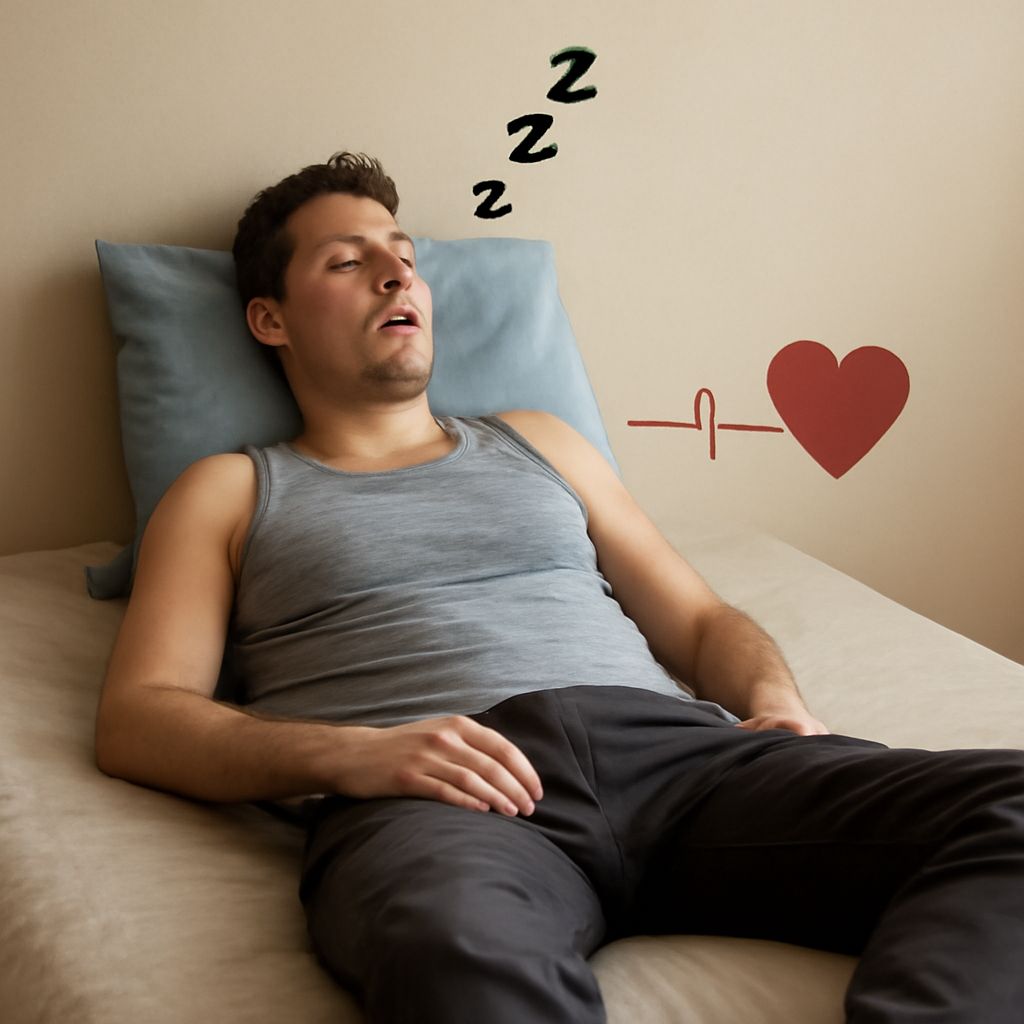
Experiencing discomfort or disturbances during sleep can significantly impact the quality of one’s rest and overall health. Shallow breathing during sleep, often accompanied by gasping for air, can lead to more than just temporary sleep interruptions. Over time, it may contribute to numbness in arms and legs while sleeping, affecting daily life and well-being. Understanding the causes of shallow breathing and finding effective ways to address these issues can pave the way for a better night’s rest and improved health.
In this article, we delve into the complexities of sleep breathing issues and their connection to other physical symptoms. By uncovering the underlying causes and exploring practical solutions, individuals can enhance their sleep quality and overall physical comfort.
Understanding Sleep Breathing Issues
What is Shallow Breathing During Sleep?
Shallow breathing during sleep is a condition where the breathing becomes less effective, causing reduced oxygen intake. This can be identified by frequent waking and a sensation of gasping for air. The body’s oxygen levels might drop, which can lead to a range of health consequences if left unaddressed.
Causes of Gasping for Air While Sleeping
Several factors contribute to gasping for air during sleep. Sleep apnea is a primary cause, where the airway becomes blocked, leading to breathing interruptions. Other contributing factors include allergies, nasal congestion, and even stress, which can all exacerbate shallow breathing and result in frequent awakenings during the night.
Exploring Sleep-Related Numbness
Numbness in Arms and Legs While Sleeping
Numbness in the arms and legs while sleeping is often linked to poor circulation or nerve compression. This sensation can disrupt sleep further, leading to frequent awakenings and discomfort throughout the night. Identifying the root cause of this numbness is essential for effective management.
Why Do You Experience Numbness in Arms While Sleeping?
Numbness in the arms while sleeping can occur due to prolonged pressure on nerves or blood vessels. Conditions such as carpal tunnel syndrome or sleeping positions that restrict blood flow are common culprits. Addressing these issues involves both lifestyle adjustments and, in some cases, medical interventions.
Effective Solutions for Improved Sleep
Addressing Shallow Breathing During Sleep
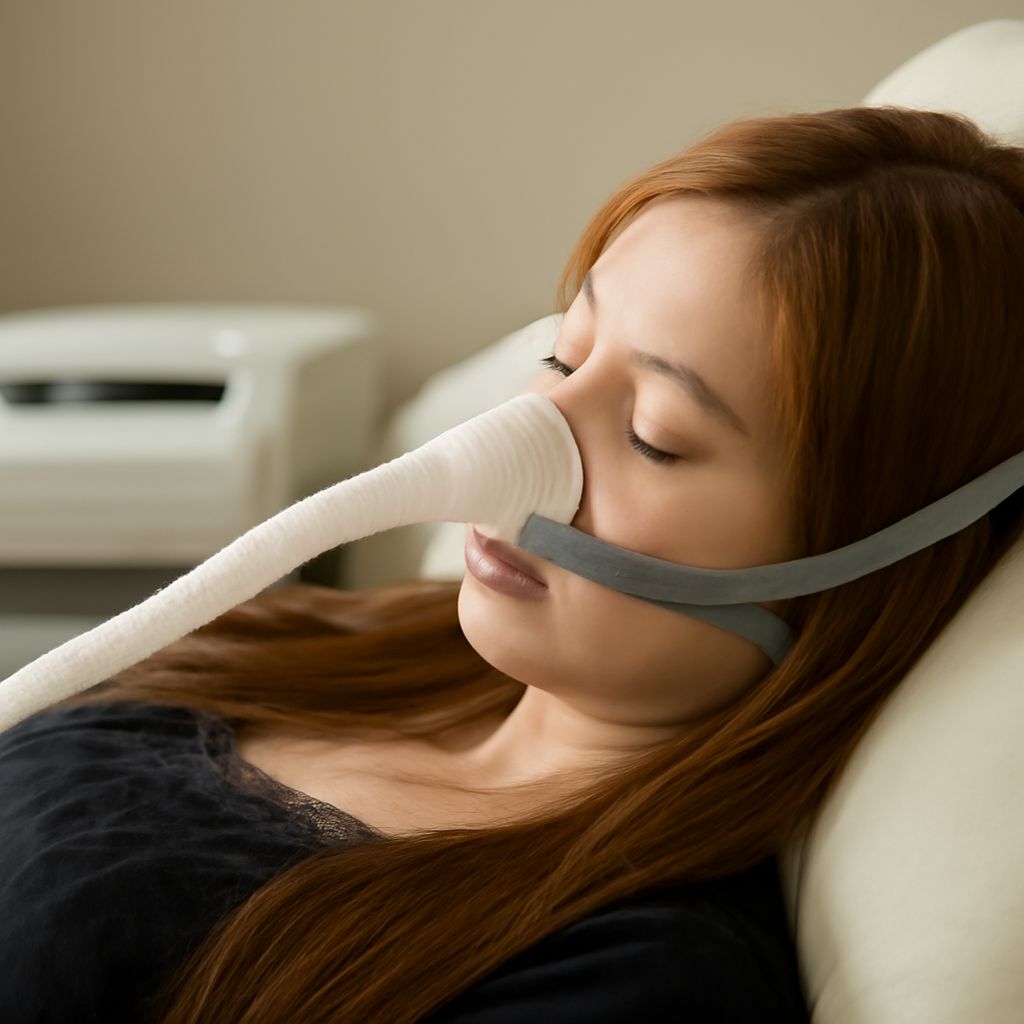
Improving shallow breathing involves a combination of lifestyle changes and medical treatments. Positional therapy, such as sleeping on one’s side, can alleviate symptoms by keeping the airway open. A CPAP (Continuous Positive Airway Pressure) machine is often recommended for those with sleep apnea to ensure steady airflow and reduce gasping incidents.
Preventing Numbness in Arms and Legs
Preventing numbness while sleeping can be achieved by changing sleep positions and ensuring ergonomic support with a comfortable mattress and pillows. Stretching exercises before bed, or using wrist splints for those with carpal tunnel syndrome, can also be beneficial strategies. Consulting with a healthcare provider can help tailor specific interventions based on individual needs.
Next Steps: Regular monitoring of sleep patterns and physical symptoms is critical for ongoing health. Implementing the discussed strategies consistently can lead to noticeable improvements in sleep quality. For persistent issues, seeking advice from a sleep specialist can provide further insight and potential treatment options.