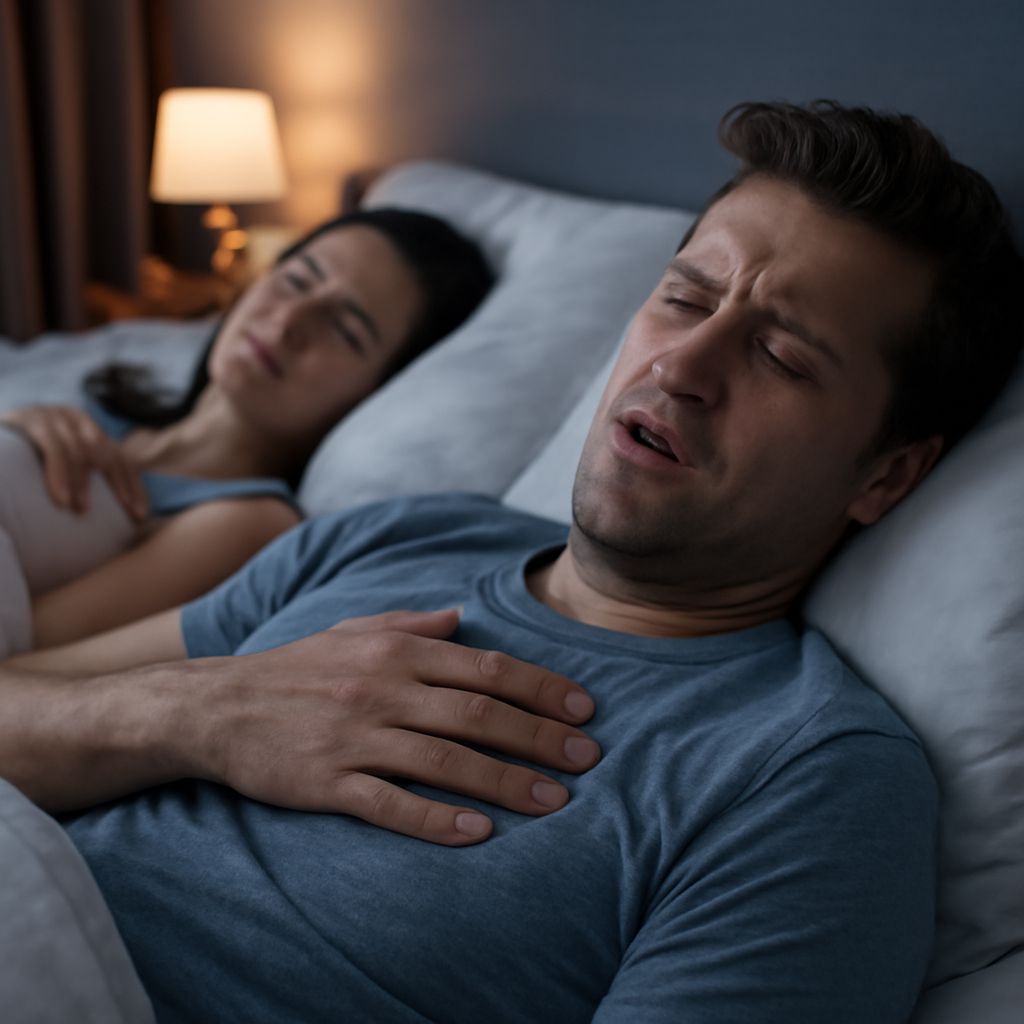
For many, groaning in sleep can be a perplexing experience. This nocturnal behavior might leave individuals and their partners puzzled, often leading to questions about why it occurs and what it signifies. Understanding the various sounds, like moaning in your sleep, can unveil important insights into sleep quality and overall health. By exploring these phenomena, one can better address these nighttime occurrences and enjoy more restful sleep.
From sleep in eyes to humming in sleep, each sound carries distinct meanings and implications. This article delves into the causes of these sounds, providing a comprehensive overview that can aid individuals in pinpointing and managing their nighttime behaviors effectively.
Common Sounds During Sleep and Their Meanings
Groaning in Sleep: What It Means
Groaning during sleep is often linked to a condition known as catathrenia. This sleep-related breathing disorder is characterized by prolonged exhalation accompanied by groaning sounds. It typically occurs during the rapid eye movement (REM) stage of sleep. Those experiencing catathrenia may not be aware of their groaning, but partners might notice the repetitive sound, which can last from a few seconds to several minutes.
While not harmful, groaning in sleep can lead to disrupted rest for partners. Additionally, it might be associated with other sleep disorders, such as sleep apnea. Addressing underlying causes can greatly improve sleep quality.
Moaning in Your Sleep: Causes and Concerns
Moaning in your sleep often stems from a variety of causes. Stress, anxiety, and certain medications can contribute to this nocturnal vocalization. When these sounds occur, they may signal that the individual is experiencing vivid dreams or emotional distress during sleep.
For many, occasional moaning is harmless, yet frequent occurrences could suggest a deeper issue. Consultation with a sleep specialist might be necessary to rule out conditions like parasomnias or REM sleep behavior disorder. By understanding these causes, individuals can take steps to minimize sleep disruptions.
Understanding Sleep in Eyes and Its Effects
What Is Sleep in Your Eyes?
Commonly known as “sleep crust,” sleep in eyes refers to the mucus discharge that accumulates in the corners of the eyes during sleep. This substance is made up of mucus, skin cells, oils, and other debris that the eyes expel overnight. It plays a protective role, keeping the eyes lubricated and free of irritants.
While generally harmless, excessive accumulation can occur due to infections or allergies. Regular cleaning and addressing underlying conditions can prevent discomfort and ensure eye health.
Exploring Humming in Sleep
Humming in sleep is less common but still noteworthy. This sound can occur when individuals hum or vocalize during lighter stages of sleep. Often harmless, it may be associated with the processing of emotions or stress within dreams.
For those who experience this regularly, it might be beneficial to track sleep habits and consult with a healthcare provider. Understanding the triggers can help in reducing humming and enhancing sleep tranquility.
Overall, by recognizing and addressing these sleep sounds, individuals can better understand their sleep patterns and take proactive measures to enhance sleep quality. This holistic insight into nocturnal sounds not only aids in improving rest but also contributes to overall well-being.