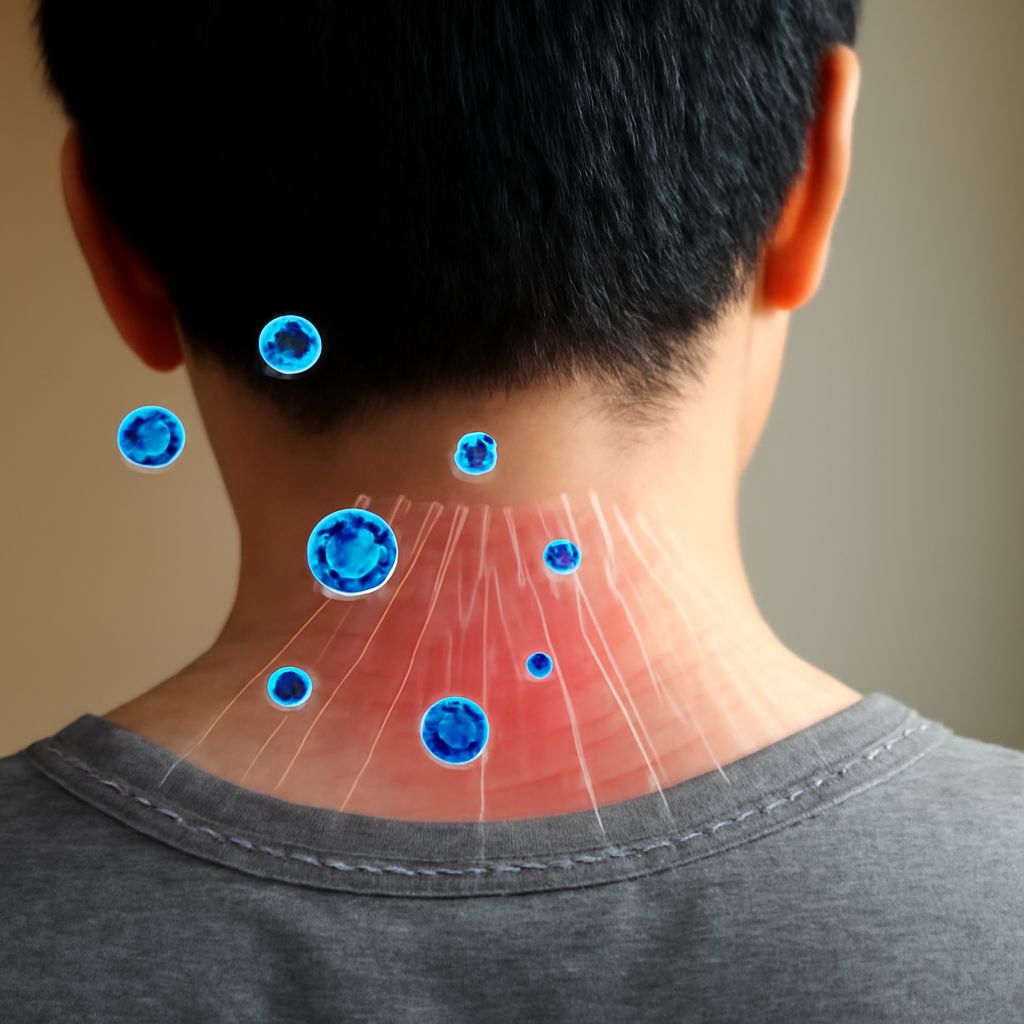
Understanding the lymph nodes location in the neck is crucial for identifying health issues early. These small, bean-shaped glands play a vital role in the body’s immune system, filtering harmful substances and helping fight infections. Knowing where lymph nodes are situated aids in recognizing swollen glands causes, which can range from infections to more serious conditions. Swift identification can lead to effective pain relief and timely medical intervention.
Understanding Lymph Nodes and Glands in the Neck
Lymph nodes are critical components of the lymphatic system, a network that transports lymph fluid, nutrients, and waste materials between the bloodstream and body tissues. In the neck, these nodes act as filters that trap pathogens and other harmful substances. The glands in the neck include several lymph nodes which act as sentinels, alerting the body to potential threats and triggering immune responses.
Where Are Lymph Nodes in the Neck?
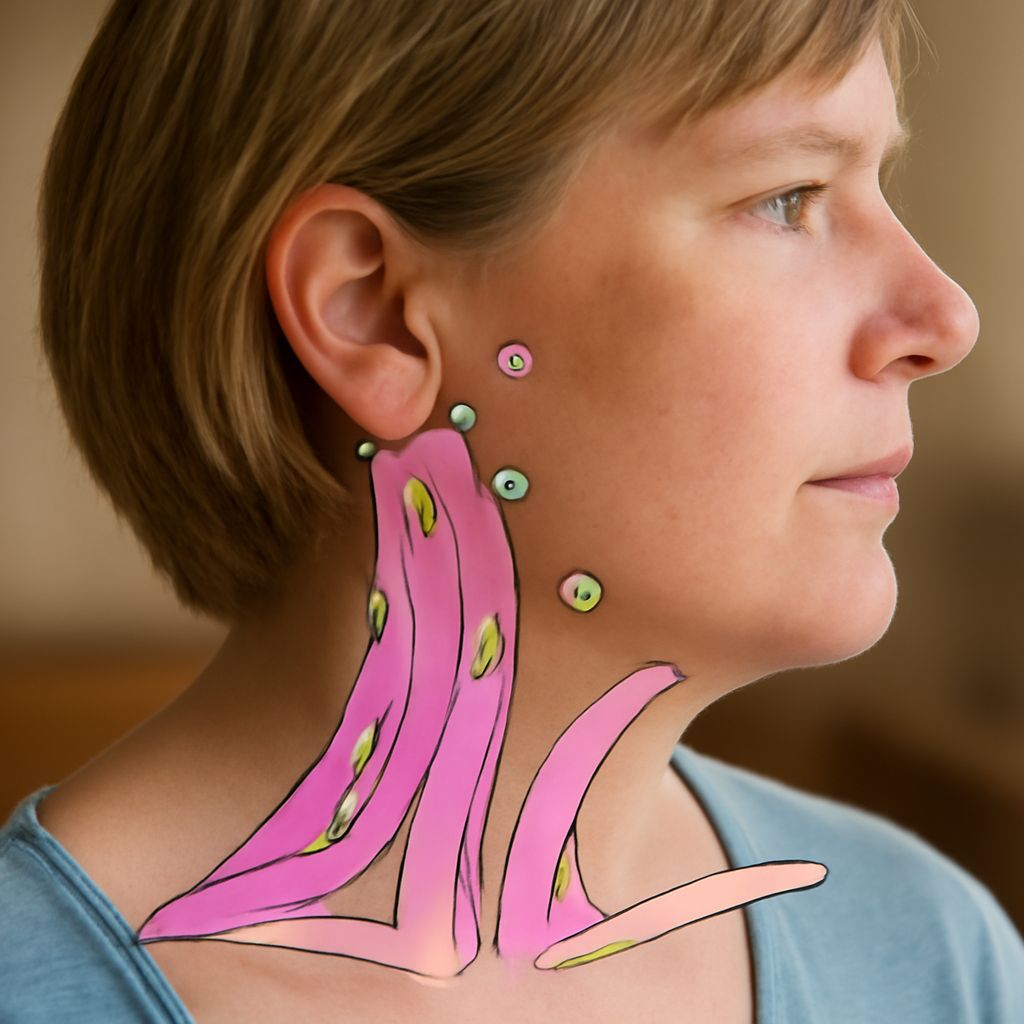
The neck houses several clusters of lymph nodes in key areas. The nodes are typically found in the cervical region, which includes the front, back, and sides of the neck. They are strategically located near the jawline, underneath the chin, behind the ears, and along the collarbone. These regions are essential for draining lymph from the scalp, face, and upper respiratory tract. By understanding the precise lymph nodes location, one can monitor for any unusual swelling or tenderness.
Common Causes of Swollen Glands
Swollen glands in the neck can occur due to various reasons. Infections, such as the common cold, flu, or mononucleosis, often lead to enlarged lymph nodes as the immune system ramps up its defense. Inflammatory conditions, including tonsillitis or strep throat, can also cause swelling. More serious causes include autoimmune disorders like lupus or rheumatoid arthritis, and in some cases, swollen lymph nodes may indicate cancers such as lymphoma or leukemia.
How to Identify Swollen Lymph Nodes
Identifying swollen lymph nodes involves a combination of observation and touch. Swollen glands can be felt as tender, enlarged lumps under the skin, often the size of a pea or larger. They may feel firm or rubbery to the touch. The swelling may be accompanied by other symptoms, such as fever, night sweats, or unexplained weight loss. Regular self-examinations can help track any changes in size or tenderness, which are crucial signs of potential health issues.
When to Seek Medical Advice
While some swelling in the glands is normal and can resolve on its own, there are instances when medical advice should be sought. If swollen lymph nodes persist beyond two weeks, are hard and immovable, or are associated with other systemic symptoms like persistent fever or unintentional weight loss, it is imperative to consult a healthcare professional. Early diagnosis and treatment can prevent complications and ensure appropriate management of any underlying conditions.
Bottom line: Understanding the location and function of lymph nodes in the neck is essential for health awareness. Recognizing the causes and symptoms of swollen glands can lead to timely interventions and effective pain relief. Regular monitoring and seeking medical guidance when necessary enhance overall well-being.