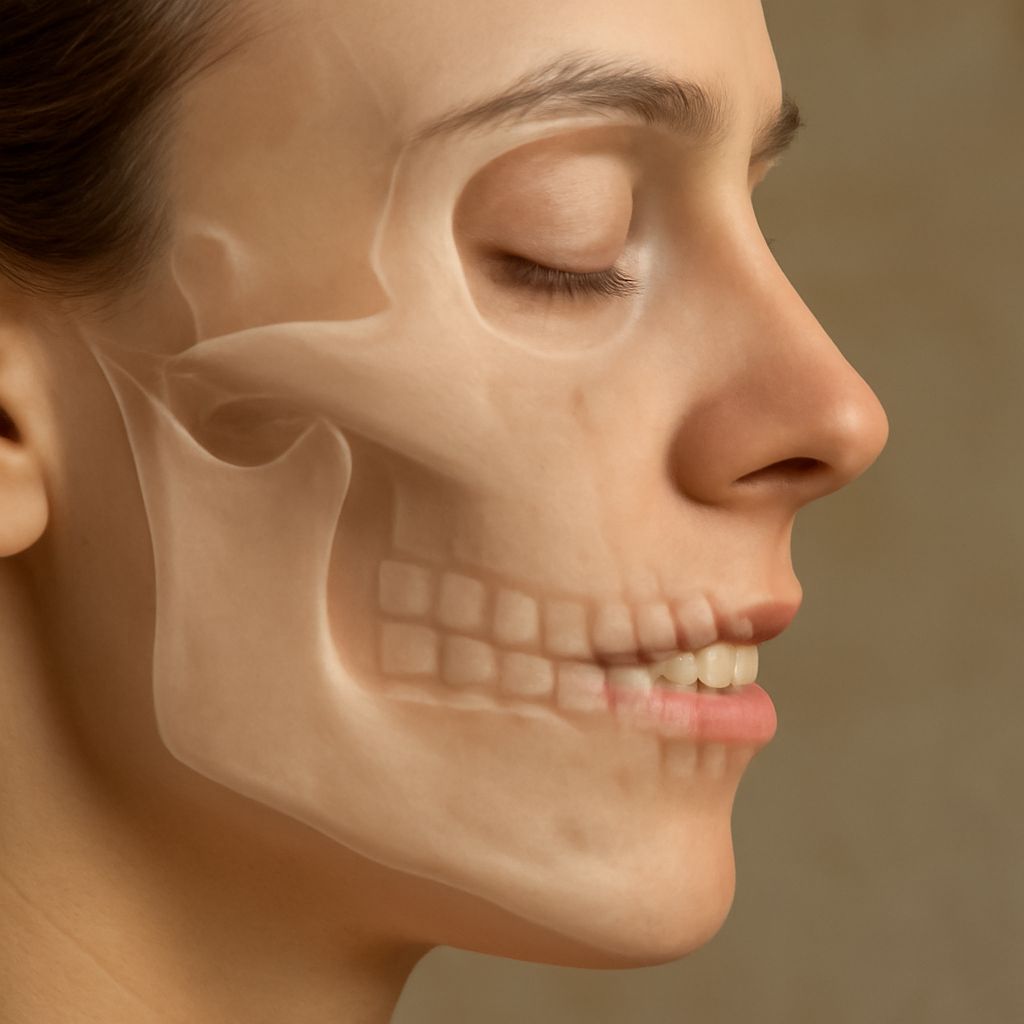
Adopting correct mewing tongue posture can deliver noticeable benefits to sleep quality. By focusing on how the tongue and jaw are positioned, it becomes possible to support better breathing, reduce airway resistance, and in turn, foster more restorative sleep. For individuals seeking practical strategies to optimize rest, proper mewing jaw alignment offers a straightforward, hands-on approach with measurable outcomes.
Understanding the basics of mewing, and consistently applying these techniques, may help address nighttime disturbances linked to poor oral posture. With attention to how the mewing tongue posture and jaw interact, it is possible to create conditions for deeper sleep and improved overall health.
What Is Mewing and Why Does It Matter for Sleep?
Mewing is a method centered on the intentional positioning of the tongue against the roof of the mouth. Developed by Dr. John Mew and popularized as “mewing,” this technique emphasizes the significance of oral posture for craniofacial development and respiratory function. While many people focus on mewing for aesthetic changes over months or years, its immediate and practical implications for sleep are increasingly recognized.
The connection between proper mewing tongue posture and sleep quality lies in the way oral structures influence airway patency. When the tongue rests low in the mouth or collapses backward during sleep, it may partially obstruct the airway, leading to interrupted breathing or snoring. This effect is well documented among those with weak tongue posture or recessed jaws, where airflow becomes compromised and sleep fragmentation occurs.
Consistent practice of the correct mewing posture encourages the tongue to offer structural support to the upper airway. By maintaining this position, the risk of soft tissue collapse is reduced, potentially lowering the likelihood of sleep-disordered breathing events. This can contribute not only to fewer awakenings throughout the night but also to more restorative sleep cycles.
For those who experience mild snoring, mouth breathing, or frequent nighttime awakenings, exploring the role of mewing jaw alignment may reveal actionable ways to improve sleep. Both anecdotal reports and emerging research suggest that optimizing oral posture can help preserve airway openness, especially when combined with other sleep hygiene practices.
Mastering Mewing Tongue Posture: The Basics
Proper mewing tongue posture involves consciously pressing the entire tongue, not just the tip, against the palate. To check for correct alignment, gently close the mouth, rest the teeth lightly together (without clenching), and flatten the tongue so the middle and back portions contact the roof of the mouth. Lips should remain sealed, encouraging nasal breathing throughout the night and day.
Learning to maintain this position requires attention and regular reminders. Beginners often find it helpful to set phone alarms or leave sticky notes as cues. Early on, it is common to notice muscle fatigue along the floor of the mouth and upper palate—a sign that underused muscles are becoming engaged. Over weeks of consistent practice, this mewing tongue posture becomes more automatic, supporting continuous airway stability during both wakefulness and sleep.
It is important to avoid excessive force, as pressing too hard can cause discomfort or tension in the jaw joint. Instead, a gentle but firm contact with the palate is optimal. Some individuals benefit from performing brief “tongue suction holds” during the day to build endurance and awareness. Over a period of one to three months, most people can evaluate improvement by observing easier nasal breathing and reduced dry mouth upon waking.
For those with anatomical challenges such as a high-arched palate or restricted upper airway, mastering the basics of mewing still offers value. If difficulties arise, consulting a myofunctional therapist or dental professional can provide guidance and tailored exercises. These experts may suggest complementary habits—such as practicing nasal breathing techniques or correcting forward head posture—to maximize the benefits derived from the core mewing tongue posture.
How Mewing Jaw Position Impacts Sleep Quality
The relationship between mewing jaw alignment and sleep quality is rooted in airway mechanics. When the lower jaw is positioned too far back, or when the tongue fails to support the palate, soft tissues are more likely to obstruct airflow during sleep. Over time, this can result in fragmented rest, increased snoring, or even mild obstructive sleep apnea.
By encouraging the jaw to rest in a slightly forward, neutral position, with the teeth gently touching, the airway remains more open and supported. The tongue simultaneously acts as a scaffold along the roof of the mouth, further stabilizing surrounding tissues. Individuals who have adopted mewing jaw posture frequently report reductions in dry mouth, minimized mouth breathing, and improved feelings of refreshment upon waking.
Several measurable checks can be performed to assess the impact of jaw and tongue realignment. These include tracking snoring volume via smartphone apps, observing the number of nightly awakenings, and monitoring sleep duration or subjective sleep quality over a period of several weeks. Improvements often manifest gradually, with the most notable benefits emerging after consistent application for at least one to two months.
While mewing alone is not a cure for moderate or severe sleep disorders, it can complement other interventions such as positional therapy, nasal strips, or use of CPAP for those with diagnosed sleep apnea. A practical routine might involve daily review of tongue and jaw position, brief myofunctional exercises in the evening, and sleep environment adjustments to encourage nasal breathing. Through these tactile and actionable steps, many discover that regular attention to mewing tongue posture and jaw position plays a meaningful role in supporting better sleep night after night.