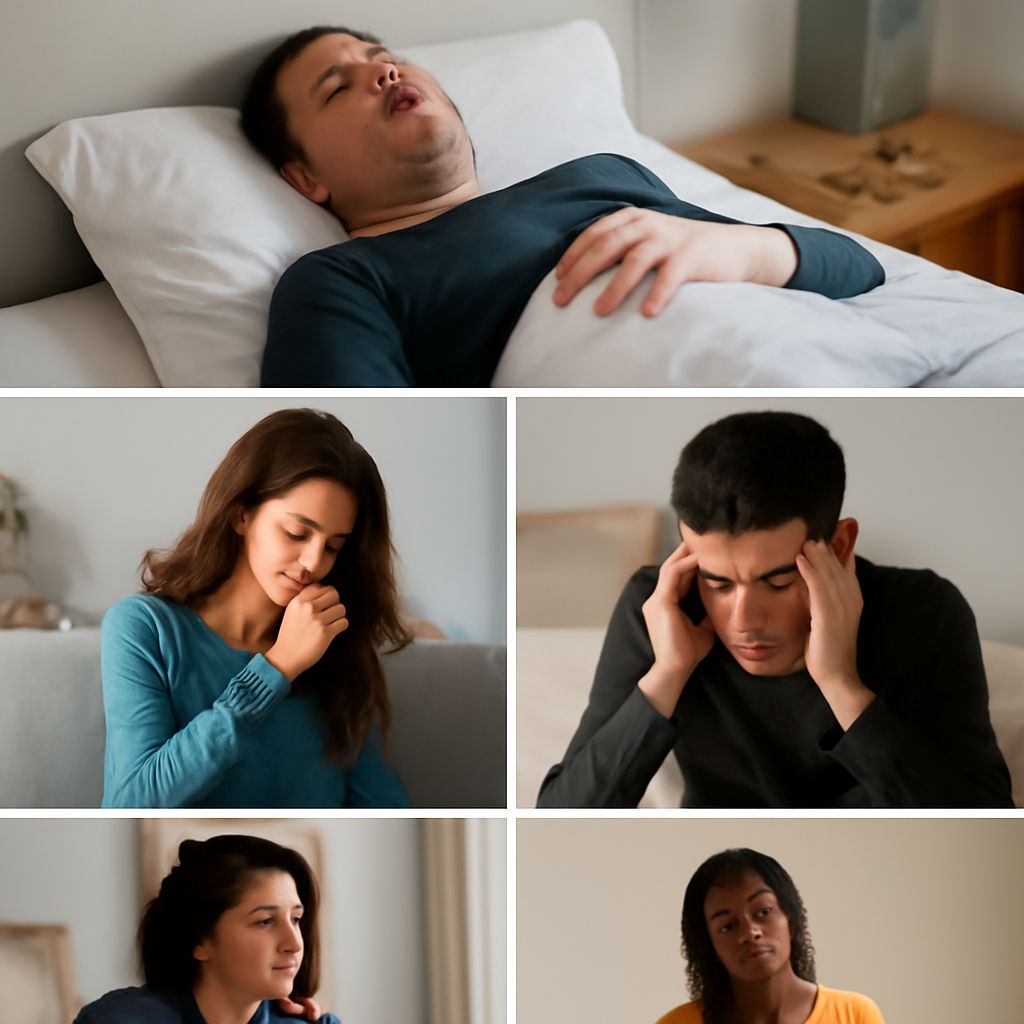
The sleep apnea va rating system can feel opaque to veterans navigating their first claim. The VA uses a specific diagnostic code, 6847, to rate sleep-disordered breathing, and the rating percentages, 0, 30, 50, and 100%, map directly to treatment requirements and symptom severity. Understanding how this works before filing saves time and prevents common documentation mistakes that lead to denied claims or lower-than-deserved ratings.
VA rating for sleep apnea differs from most VA disability ratings because the criteria center on equipment use, not just symptoms. A veteran who uses a CPAP machine nightly will typically land at a higher percentage than one who has the diagnosis but no current treatment. VA sleep apnea rating decisions also factor in any secondary conditions the sleep apnea causes, such as hypertension or depression. Sleep apnea va disability claims that include secondary conditions can result in combined ratings well above 50%. VA disability for sleep apnea is one of the more commonly awarded sleep-related conditions in the veterans benefits system.
How the VA Determines Your Sleep Apnea Disability Rating
The rating schedule under 38 CFR Part 4, Diagnostic Code 6847, sets the thresholds clearly:
- 100%: Chronic respiratory failure with carbon dioxide retention or cor pulmonale, or requires a tracheostomy
- 50%: Requires use of a breathing assistance device such as a CPAP or BiPAP machine
- 30%: Persistent daytime hypersomnolence (excessive daytime sleepiness)
- 0%: Asymptomatic, diagnosis confirmed but no symptoms currently present
Most veterans with obstructive sleep apnea who use CPAP or BiPAP receive the 50% rating. The 100% rating applies to a small subset with severe complications. The 30% rating covers cases where a device is not required but significant daytime impairment exists. Veterans should request a sleep study through their VA primary care provider if they have not already, since a confirmed polysomnography report is required for service connection.
Service connection means proving that military service caused or worsened the sleep apnea. Direct service connection applies when the condition appeared during active duty and is documented in service treatment records. Secondary service connection applies when another service-connected condition, such as obesity related to a service-connected injury, or PTSD-induced sleep disruption, caused or contributed to the sleep apnea. A nexus letter from a doctor linking service to the diagnosis significantly strengthens any claim.
Filing Your VA Claim for Sleep Apnea: Step-by-Step
Filing starts with VA Form 21-526EZ, the standard application for compensation and pension benefits, submitted through VA.gov or a regional office. Attach the sleep study results, a private or VA physician nexus letter, and any relevant service treatment records before submitting. Missing documentation is the top reason claims take longer than necessary or get rated lower than expected.
A Compensation and Pension (C&P) exam will be scheduled after submission. The examiner will review records and assess current symptoms. Showing up with CPAP prescription documentation, the machine’s own usage data if the device logs it, and a completed sleep diary from the two weeks before the exam gives the examiner concrete evidence. Veterans who use CPAP nightly should bring a letter from their prescribing physician confirming the device is medically necessary.
The VA’s average processing time for disability claims is three to five months, though complex claims with multiple conditions take longer. Veterans can check claim status through eBenefits or VA.gov. If the initial rating feels too low, submitting a Notice of Disagreement within one year of the decision preserves the right to appeal. A Veterans Service Organization (VSO) representative can help with this process at no cost.