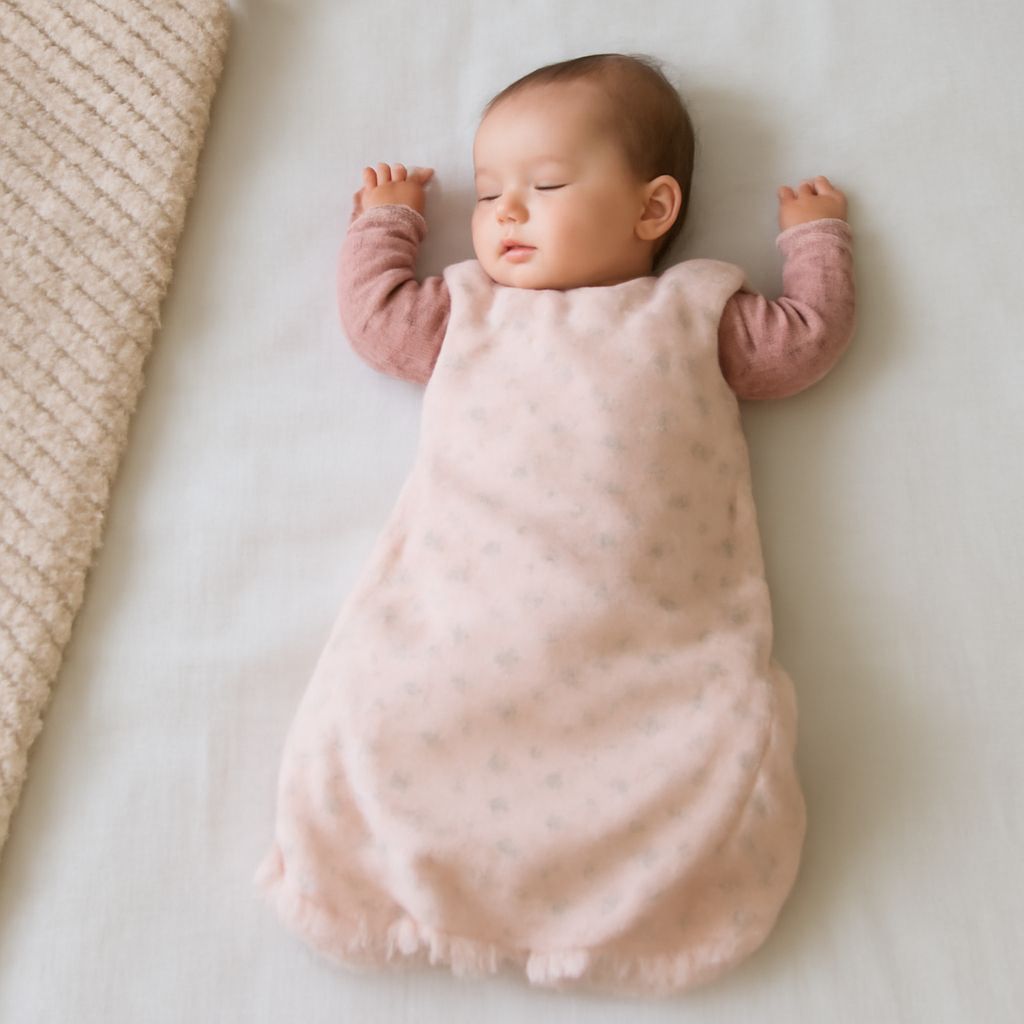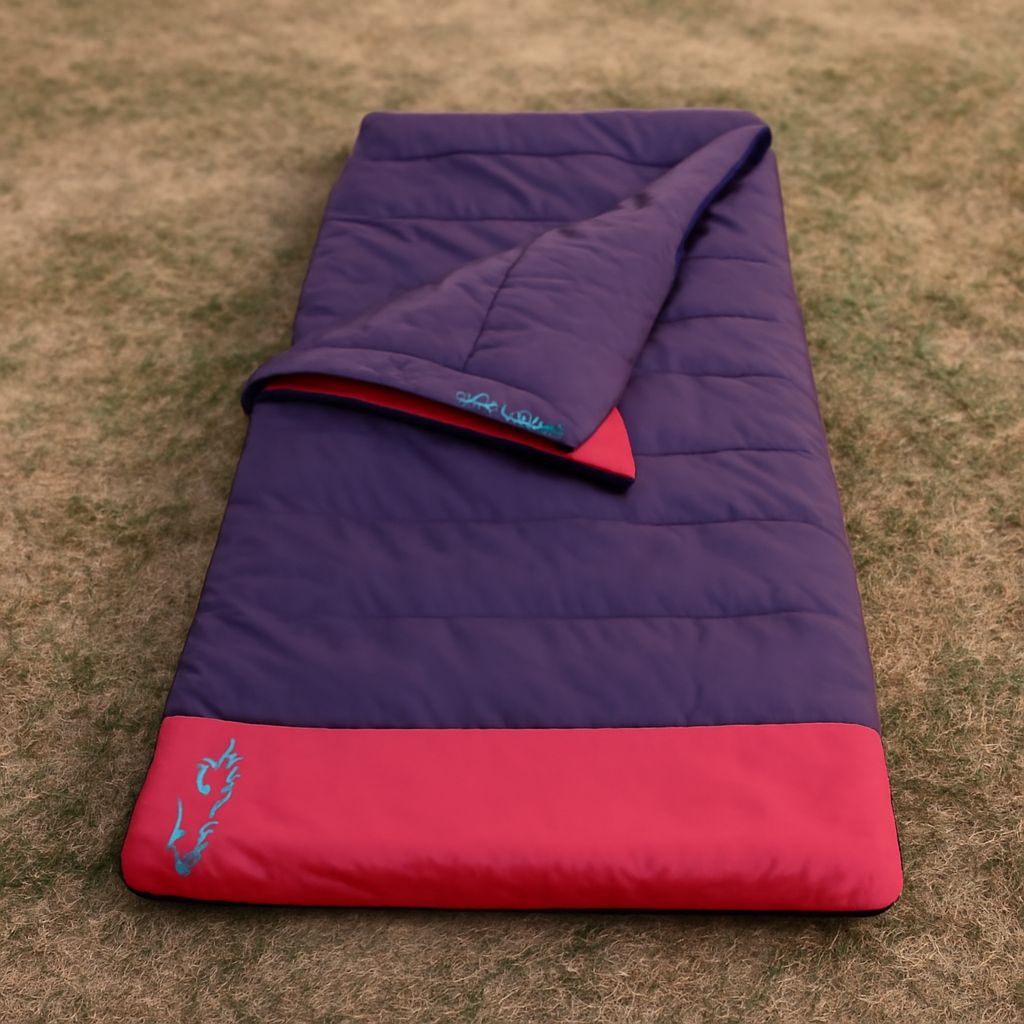
Children’s sleeping bags are not just scaled-down adult versions. They use different insulation fill amounts, different zipper placements, and different temperature ratings calibrated for smaller bodies that lose heat faster than adults. Choosing the right childrens sleeping bags for a camping trip or a backyard sleepover depends on three things: the expected overnight temperature, the child’s age and size, and how much the bag needs to grow with them. A child sleeping bag that fits poorly, either too long or too wide, leaves cold air pockets that undermine any temperature rating on the label.
A children’s sleeping bag purchased at the right size and rating can last three to four seasons before a child outgrows it. A child’s sleeping bag bought too large wastes money and leaves the child cold. This guide breaks down what to look for and how to compare options across the most common use cases.
What to Look for in a Children’s Sleeping Bag
Temperature rating is the first filter. Sleeping bags for children follow the EN/ISO 13537 standard, which gives lower comfort and lower limit temperatures. For three-season camping in temperate climates, a bag rated to 32°F (0°C) or lower handles most nights comfortably. For warmer car camping trips or sleepovers, a bag rated to 45°F works and is lighter. For winter camping or high-altitude trips, ratings of 15°F or below are appropriate, though these bags are heavier and cost more.
Fill type is the second factor. Down insulation packs smaller and lighter, which matters for backpacking, but loses its loft when wet and dries slowly. Synthetic insulation retains warmth even when damp, making it better suited for unpredictable weather and easier to wash at home. Most family car campers use synthetic-fill children’s sleeping bags because they can be machine washed and dried without special care. Down bags for children require gentle detergents and tennis balls in the dryer to restore loft.
Temperature Ratings Explained for Child Sleeping Bag Buyers
Manufacturers often list a “comfort” rating and a “lower limit” rating. The comfort rating is the temperature at which a standard adult sleeper will be comfortable. For children, who tend to sleep colder than adults, buying one rating warmer than the expected overnight low is a reliable buffer. A night that drops to 45°F calls for a bag rated to at least 35°F for most kids. Parents who camp with children under age five should go even one step warmer given how quickly small bodies lose heat.
Top Features That Make a Great Childrens Sleeping Bag
Zipper placement affects how easy a child can get in and out at night. Full-length zippers allow for temperature regulation by unzipping partway. A draft collar around the neck area, standard on quality bags, keeps cold air from entering when a child rolls around. Interior loops for attaching a liner add versatility. A roomy hood that cinches down without burying a small face keeps the head warm without feeling claustrophobic.
Width at the shoulders and the foot box matters as much as length. A bag that is too narrow in the shoulders restricts movement and feels uncomfortable, which causes children to kick out of the bag overnight. A mummy-style bag fits most children well because it eliminates dead air space, but rectangular-style bags give more room to move at the cost of warmth. Semi-rectangular designs split the difference and work well for children who are active sleepers.
Sizing Tips for Picking the Right Child’s Sleeping Bag
Most brands label bags by age range rather than weight or height, but height is the more accurate measure. A bag should extend no more than four to six inches beyond the child’s feet when they lie flat. More than six inches of extra length creates a cold pocket that the bag’s insulation cannot effectively warm. Extendable bags exist for children aged three to twelve and use zippered length panels that let one bag grow with the child over several years, making them cost-effective for families who camp regularly.
Pro tips recap: Buy one temperature rating colder than the expected low. Choose synthetic fill for ease of care and wet-weather performance. Match bag length to the child’s height, not their age. Look for a draft collar, cinchable hood, and a zipper that runs the full length of the bag. Check the fill weight printed on the label, not just the brand-name temperature claim, for an apples-to-apples comparison between options.