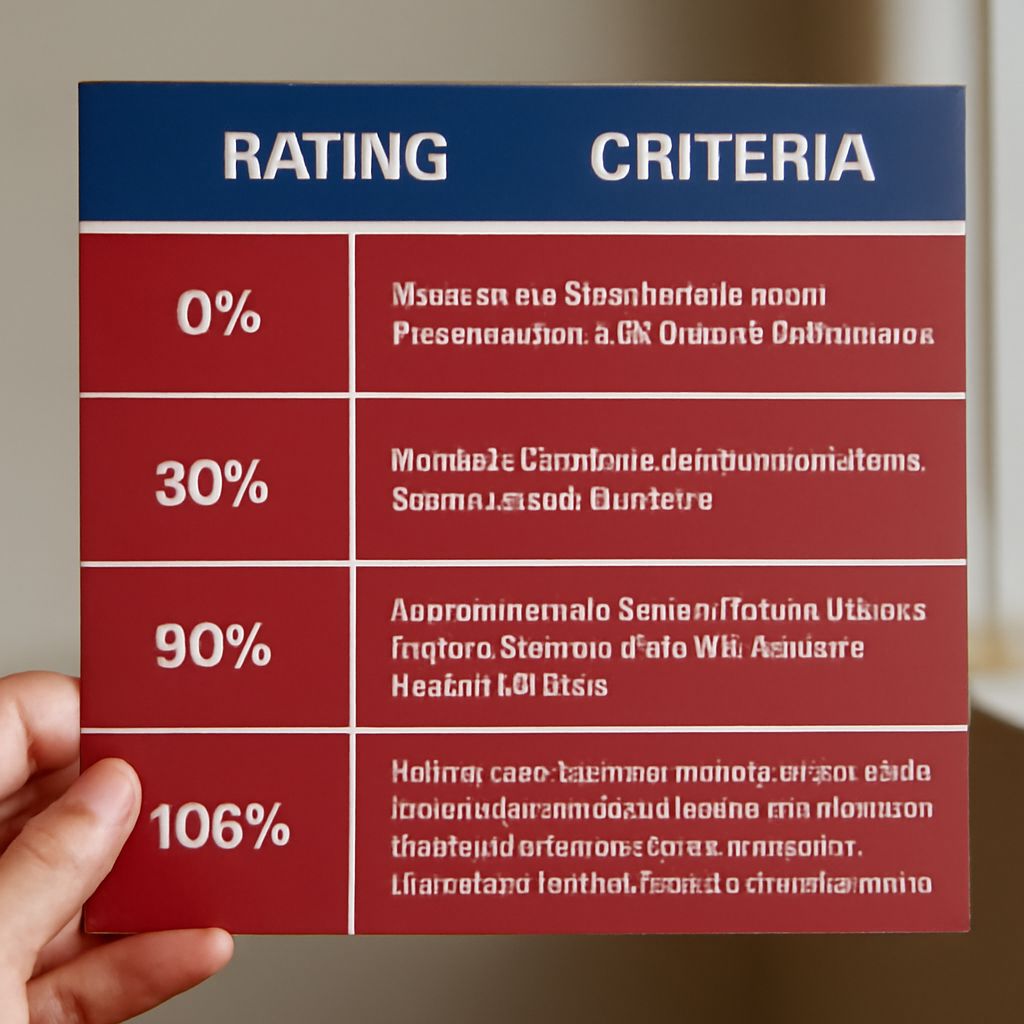
The VA disability rating for sleep apnea follows a specific schedule under Diagnostic Code 6847 in 38 CFR Part 4. The sleep apnea VA disability rating system uses four percentage tiers, 0%, 30%, 50%, and 100%, tied directly to symptom severity and treatment requirements rather than to subjective reported impact. A sleep apnea disability rating of 50% is the most common outcome for veterans with confirmed obstructive sleep apnea who use CPAP or BiPAP, since the code explicitly assigns that percentage for requiring a breathing assistance device.
VA disability ratings for sleep apnea differ from many other VA ratings because the criteria are unusually concrete. VA disability rates sleep apnea based on what treatment is required, not just what symptoms are present. This makes it one of the more predictable areas of VA rating law for claimants who understand the code, though the service connection requirement still requires careful documentation regardless of how clear the rating tier appears.
The Four VA Disability Rating Tiers for Sleep Apnea
The 100% VA disability rating for sleep apnea applies to the most severe cases: chronic respiratory failure with carbon dioxide retention, cor pulmonale (right-sided heart failure caused by lung disease), or the requirement for a tracheostomy. These are rare outcomes in the general veteran population but not uncommon among veterans with severe service-connected injuries that affected pulmonary function. This rating level converts to the maximum VA compensation amount, which as of 2025 exceeds $3,700 per month for a single veteran without dependents.
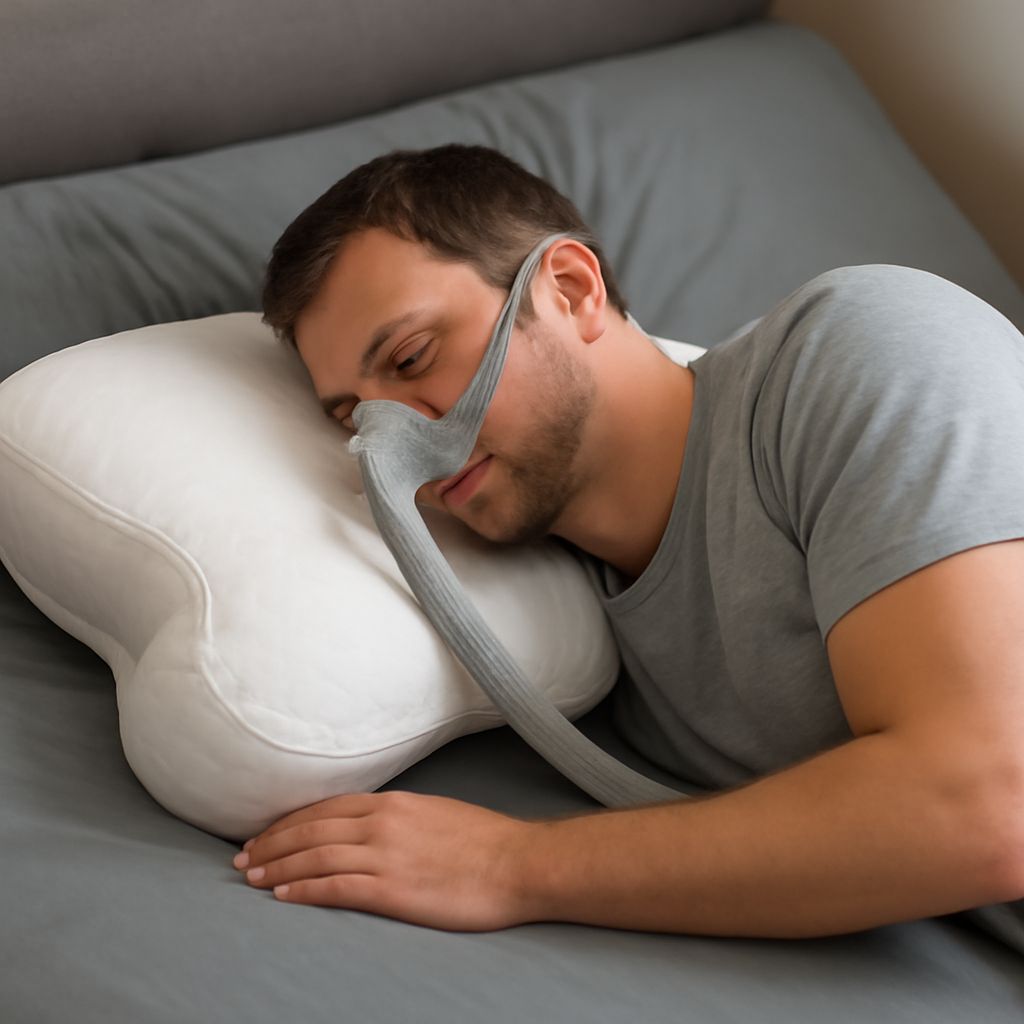
The 50% sleep apnea VA disability rating applies to veterans who require a continuous positive airway pressure (CPAP) machine, BiPAP, or other breathing assistance device. This is the tier that most veterans with diagnosed obstructive sleep apnea reach, and it carries a monthly compensation amount of approximately $1,100 for a veteran with no other ratings. The 50% rating is assigned as long as the device is medically required, even if the veteran is not currently using it consistently.
The 30% sleep apnea disability rating applies to persistent daytime hypersomnolence, meaning chronic excessive daytime sleepiness documented in medical records, without a requirement for breathing assistance equipment. This tier covers veterans whose sleep apnea is diagnosed and symptomatic but does not yet require a device. The 0% rating applies when a diagnosis is confirmed but no symptoms are currently present and no treatment is required. A 0% rating establishes service connection, which creates the foundation for future increased rating claims if the condition worsens.
How Combined Ratings Work with VA Disability Ratings for Sleep Apnea
VA disability rates sleep apnea as a standalone rating that combines with other service-connected conditions using the VA’s combined ratings table, not simple addition. A 50% sleep apnea rating combined with a 30% PTSD rating does not produce 80%. The VA applies the combined ratings formula, which calculates each successive rating as a percentage of the remaining “able” body, yielding approximately 65% combined in this example, which rounds to 70% for compensation purposes. Veterans should use the VA’s combined ratings calculator at benefits.va.gov to project their total disability percentage before filing.
Maximizing Your Sleep Apnea VA Disability Rating Claim
Documentation is the deciding factor in most sleep apnea disability rating disputes. The claim needs three things: a confirmed diagnosis (polysomnography or home sleep test report), evidence of service connection (service treatment records, nexus letter, or secondary connection documentation), and current evidence of required treatment (CPAP prescription, compliance data, or physician statement of device necessity).
Veterans whose sleep apnea disability rating comes back at 30% when they expected 50% often find the issue is documentation of CPAP requirement rather than the diagnosis itself. A letter from the treating physician explicitly stating that a breathing assistance device is medically required, separate from the prescription alone, addresses this gap. If the prescription was written but compliance data shows inconsistent use, a letter explaining the reason for non-compliance, such as mask fit issues or travel, along with a current CPAP usage report showing improved compliance, supports an upgrade appeal.