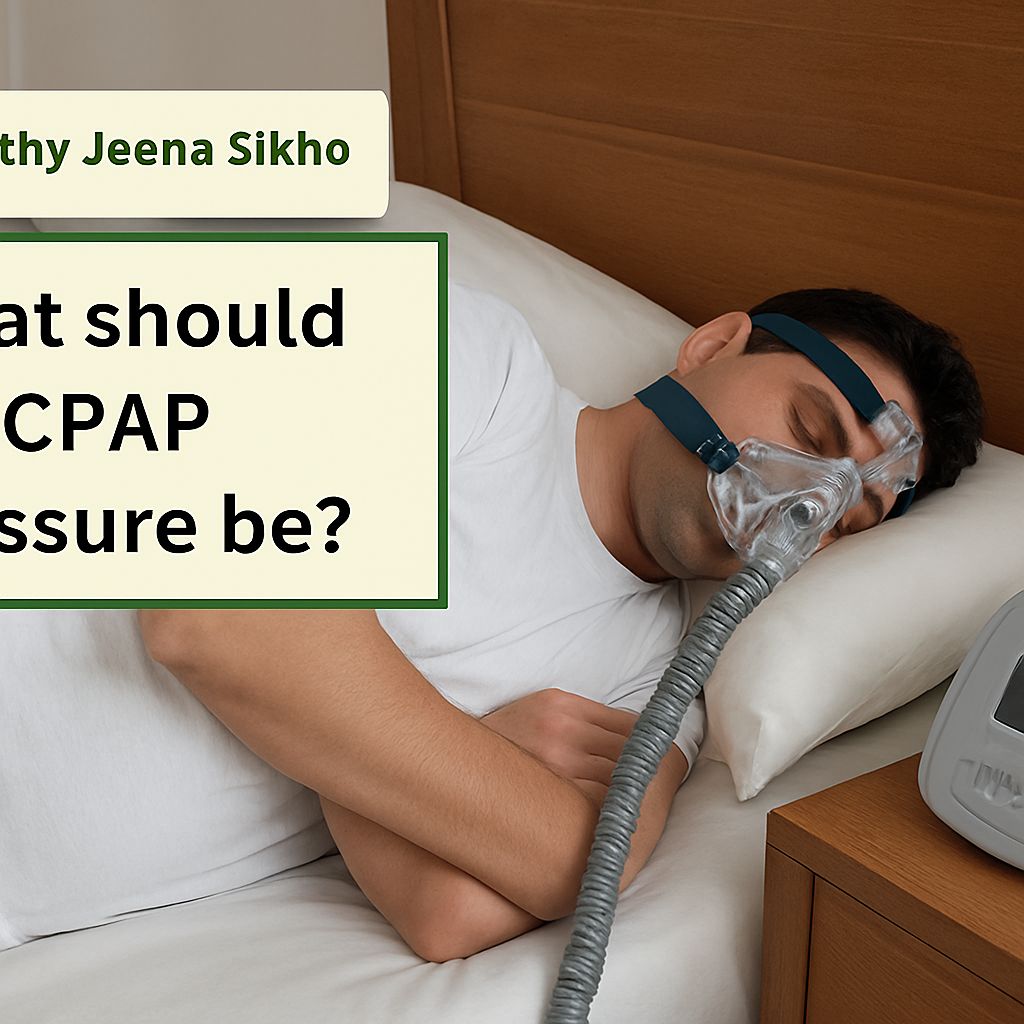
CPAP compliance, defined by Medicare and most insurers as using the device for at least 4 hours per night on 70% of nights over any consecutive 30-day period, determines whether therapy continues to be covered and whether it is producing therapeutic benefit. Missing that threshold by even one night per week puts coverage at risk and leaves obstructive sleep apnea events untreated on the nights the device is not used. Compliance is measurable, trackable, and improvable with specific interventions.
A CPAP compliance report generated by the device’s data card or wireless transmission shows nightly usage hours, mask leak rate, AHI (apnea-hypopnea index), and residual event data. Teeth grinding sleep apnea connections appear in compliance data as increased arousal events and mask-off episodes during the night. Questions about how to cheat CPAP compliance and how to trick a CPAP machine reflect real frustration among patients who feel pressured by coverage requirements but who are not actually using the device due to discomfort rather than willful avoidance. The right response to that frustration is addressing the underlying barrier rather than data manipulation.
What the Compliance Report Actually Shows
A CPAP compliance report details four key metrics per night: hours of use, large leak events above 24 L/min, AHI calculated from detected events, and Cheyne-Stokes or central apnea flagging. Reviewing the report weekly, rather than waiting for the 90-day provider review, allows course corrections before data accumulates into a coverage denial. ResMed’s myAir app and Philips’ DreamMapper both provide compliance, or usage summary, data in plain language without requiring a clinical portal login.
Teeth grinding sleep, or bruxism associated with apnea, appears in compliance data as elevated arousal index and frequent mask repositioning events. The correlation between sleep apnea and bruxism is well-documented; one study found bruxism prevalence in apnea patients at 25%, compared to 8% in the general population. Addressing apnea often reduces bruxism frequency within four to six weeks of consistent CPAP use at appropriate pressure.
Why Patients Search for Compliance Workarounds
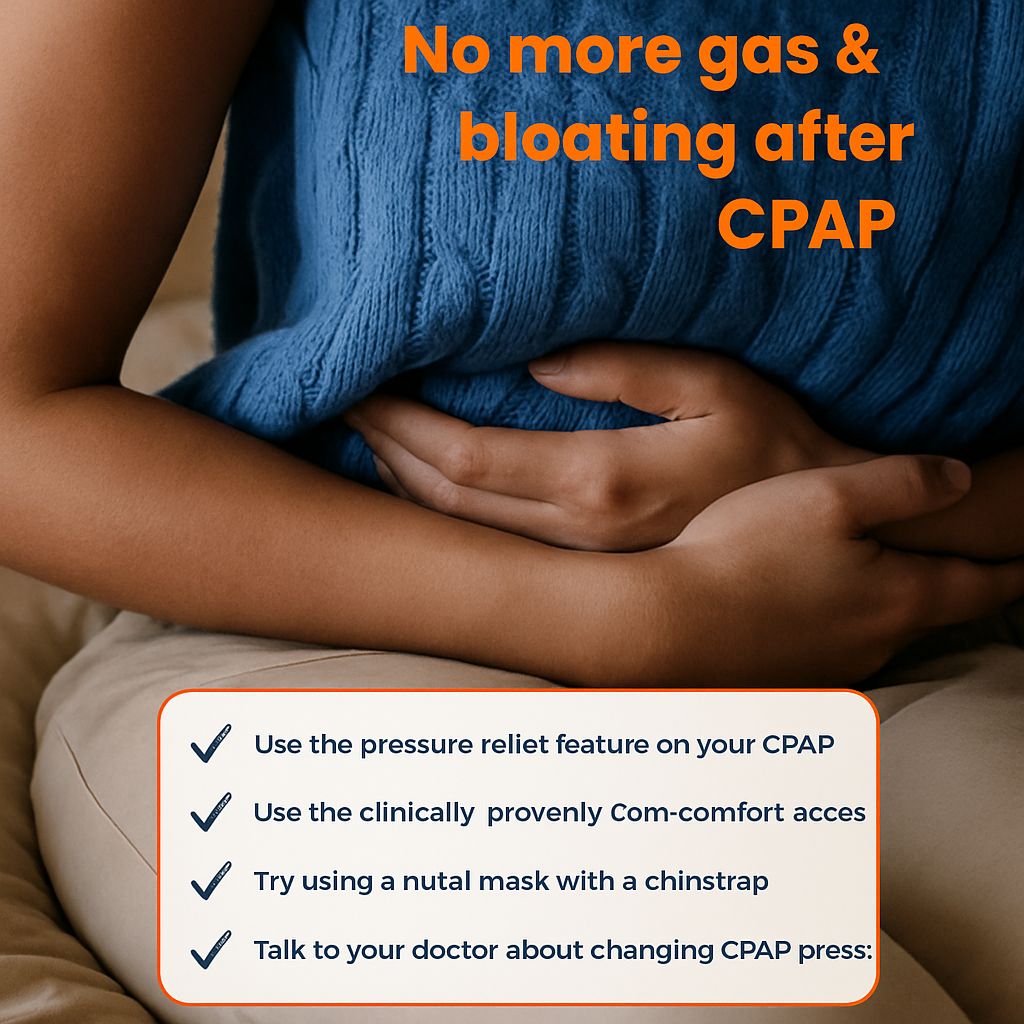
Searches for how to cheat CPAP compliance and how to trick a CPAP machine reflect specific discomforts rather than laziness: mask discomfort causing removal during the night, pressure intolerance, aerophagia, or claustrophobia. All four are clinically addressable without falsifying data. Mask fit adjustments, pressure ramp settings, expiratory pressure relief (EPR), and interface switching from full-face to nasal pillow resolve the majority of compliance barriers when applied systematically.
Evidence-Based Strategies to Improve Compliance
Wearing the mask during waking hours for 15–20 minutes daily during the first two weeks of therapy reduces claustrophobia responses by desensitizing the patient to the pressure and feel of the interface before the sleep environment adds additional stress. This one technique improves 12-month compliance rates by 18–22% in clinical trials compared to standard education alone.
Auto-titrating CPAP (APAP) machines adjust pressure continuously based on detected obstruction, which reduces the high-pressure discomfort that fixed CPAP causes during clear-airway periods. Switching from fixed to APAP mode improves comfort in approximately 60% of patients who cite pressure as their primary barrier. Expiratory pressure relief settings of 1–3 cm H2O reduce the work of exhaling against pressure and improve mask tolerance significantly within the first three nights of adjustment.