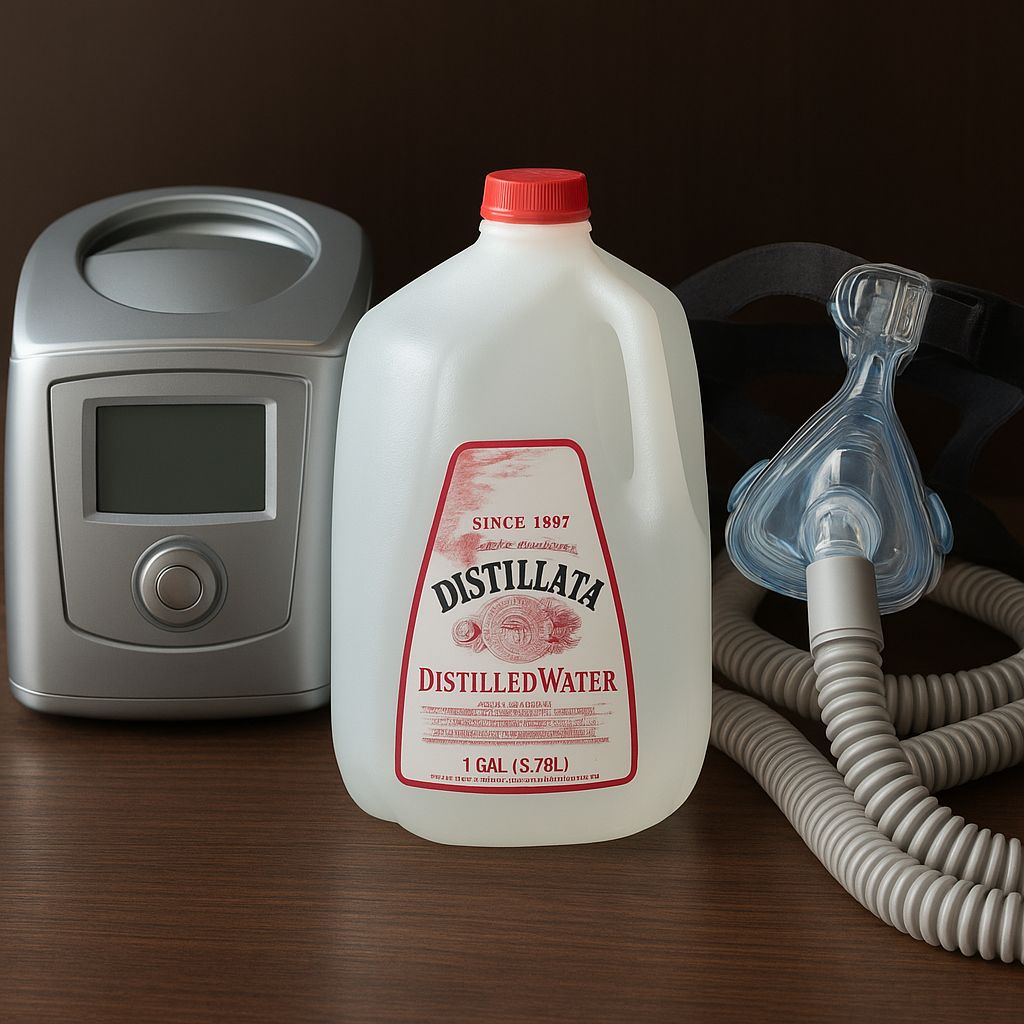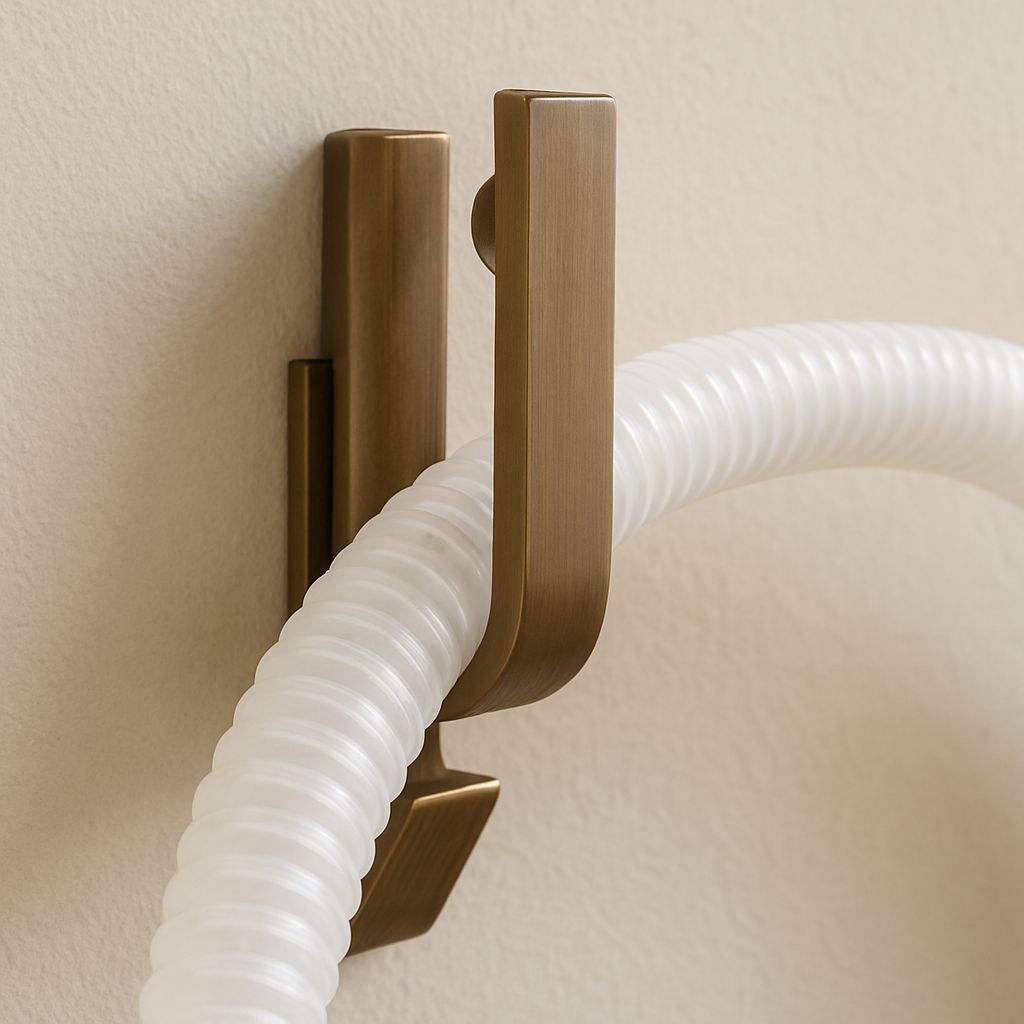
A CPAP hose holder keeps the therapy tubing off the face, out of the bedding, and positioned to reduce drag on the mask during sleep. Hose management is one of the least discussed but most practically impactful upgrades for CPAP users who wake frequently due to mask leaks caused by tubing pull. The right holder reduces mask displacement to near zero within the first two nights of use.
The CPAP hose itself typically measures 6 feet in standard configuration, though slim-line and 10-foot extension hoses exist. CPAP tubing diameter varies between standard 22mm and slim-line 15mm formats, and any holder purchased should accommodate the diameter in use. CPAP hoses need daily rinsing and weekly deep cleaning; a holder that keeps the hose elevated also improves air circulation during drying. Understanding which CPAP holder type suits the bed setup is the starting point, as clamp, hanger, and stand-alone models suit different headboard and nightstand configurations. A CPAP holder that fails to keep the hose weight off the mask creates the same leakage problem it was purchased to solve.
Types of CPAP Hose Holders and Their Best Use Cases
Bedside clamp holders attach to the headboard or bed frame with a C-clamp and position the CPAP hose, or tubing outlet, overhead and behind the sleeping position. This configuration routes the hose from above, keeping tension equal regardless of which direction the user turns. Clamp holders work best on standard wood or metal headboards with a rail thickness under 2 inches. They cost between $8 and $25 and require no tools beyond hand-tightening.
Gooseneck stand holders place a flexible arm on the nightstand and allow the user to route the CPAP tubing at a custom angle. The gooseneck arm adjusts to 12–18 inches of height and bends to direct the hose toward the pillow from above or the side. These holders are best for users without a suitable headboard or who use an adjustable base that changes sleeping height.
Heated Hose Compatibility
Heated CPAP hoses, such as the ResMed ClimateLineAir or Fisher and Paykel ThermoSmart, have a built-in heating wire that adds stiffness and increases weight by 20–30% compared to standard hoses. Any CPAP hose holder used with a heated hose must support the additional weight without drooping. Clamp holders with a spring-loaded arm generally handle heated hose weight better than gooseneck designs, which can lose their set angle over time.
Cleaning and Maintenance Schedules for CPAP Tubing
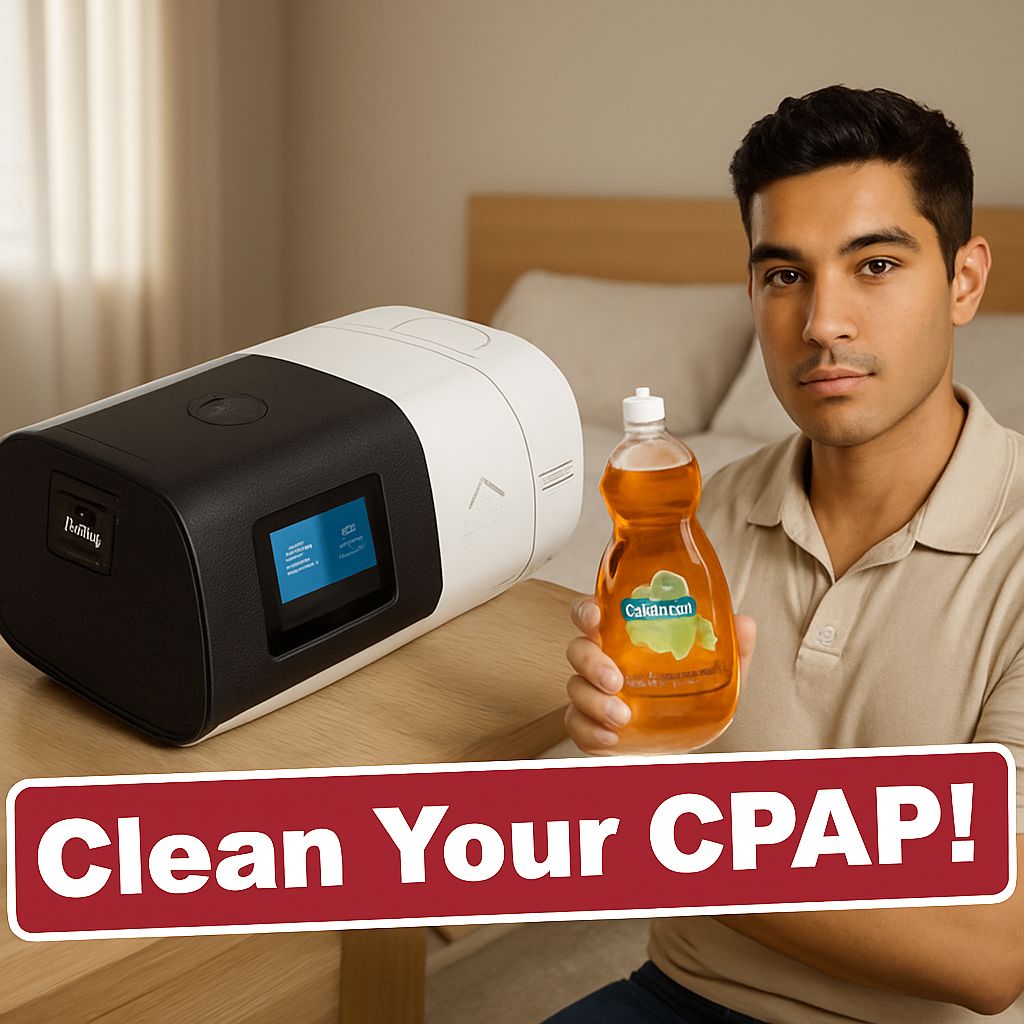
CPAP tubing should be rinsed daily by running warm water through the hose for 60 seconds, then hung vertically to air dry for a minimum of 3 hours before the next use. Weekly cleaning requires soaking the hose in a solution of 1 part white vinegar to 3 parts water for 20–30 minutes, then rinsing thoroughly and drying completely. Mold growth inside CPAP hoses takes 7–10 days in humid environments when drying is skipped even occasionally, which produces a musty odor noticeable within the first few breaths of use.
Standard CPAP hoses should be replaced every 3 months. Cracks in the tubing wall, even hairline cracks, produce audible leaks and reduce delivered pressure by 1–3 cm H2O at the mask, enough to reduce therapy effectiveness below the prescribed level. Visual inspection by holding the hose up to a light source reveals cracks that are not visible under normal conditions.