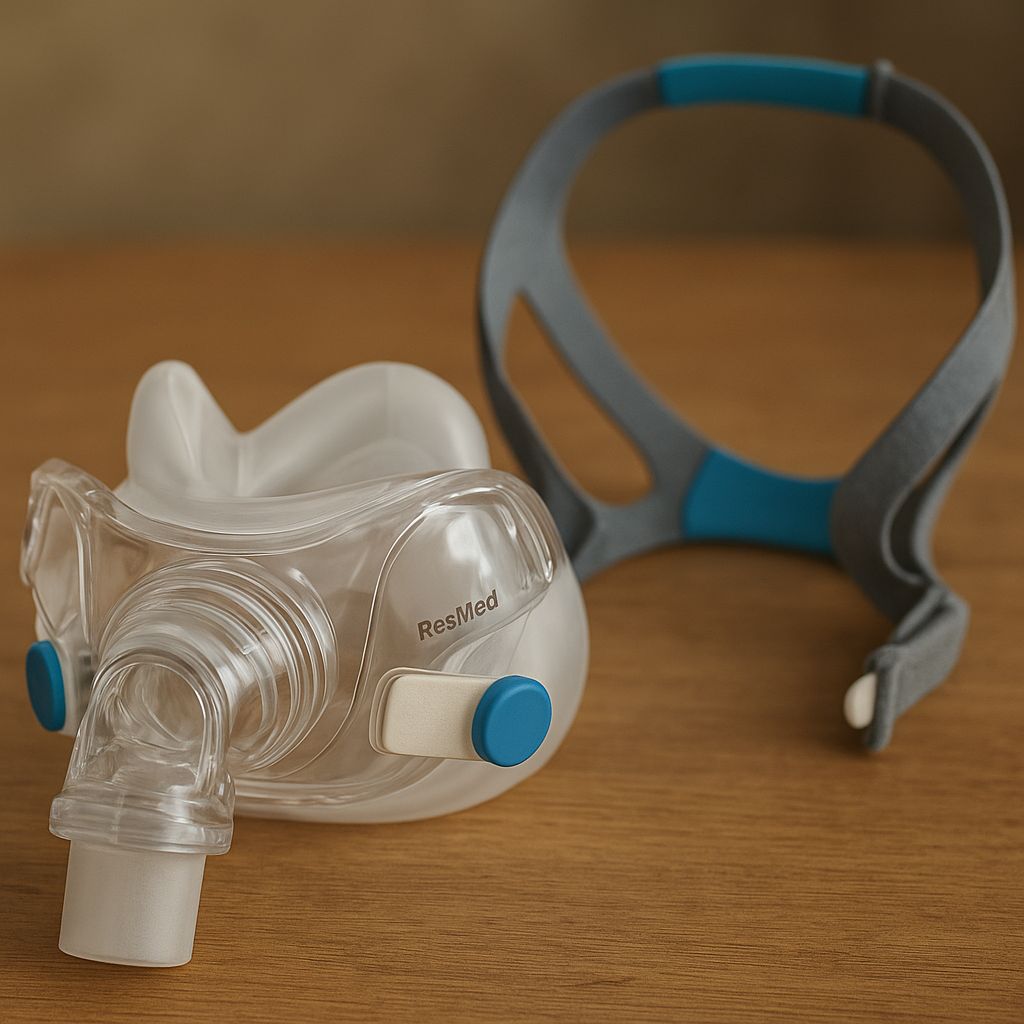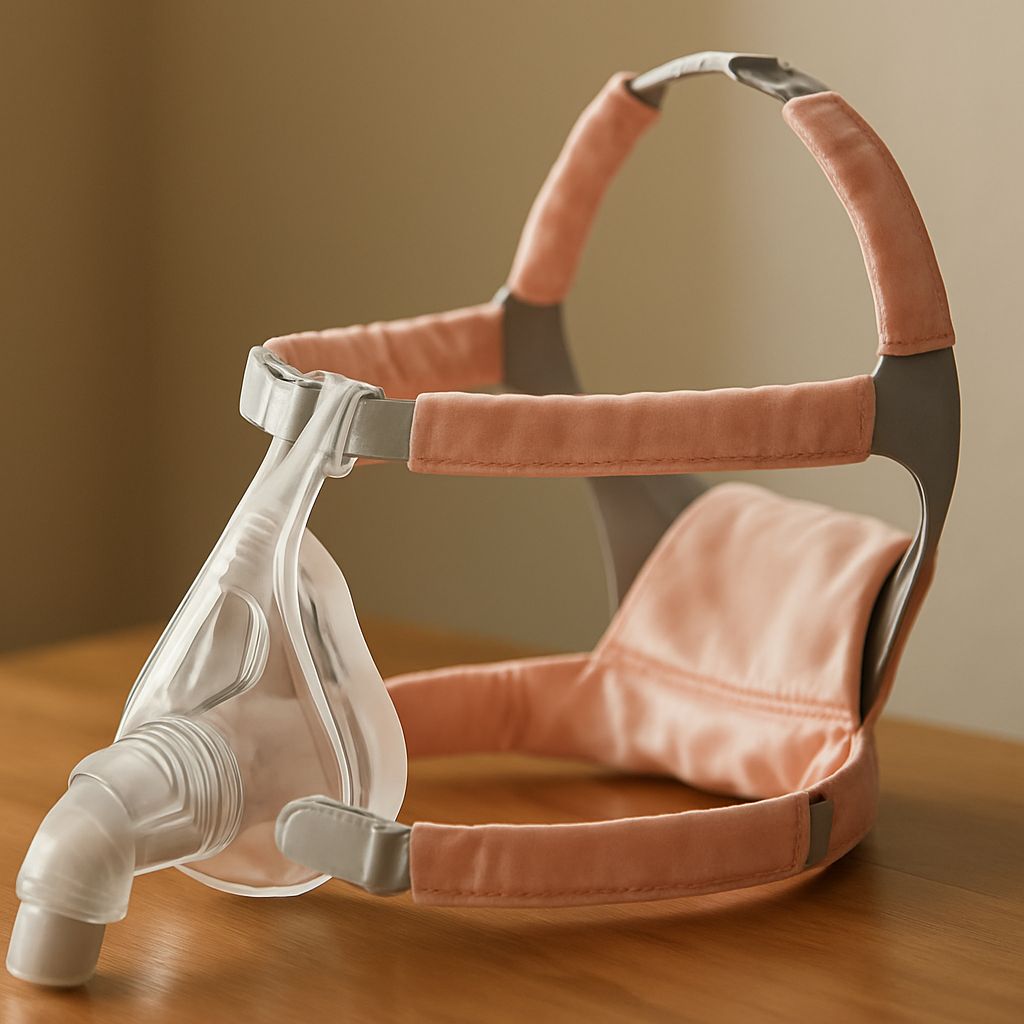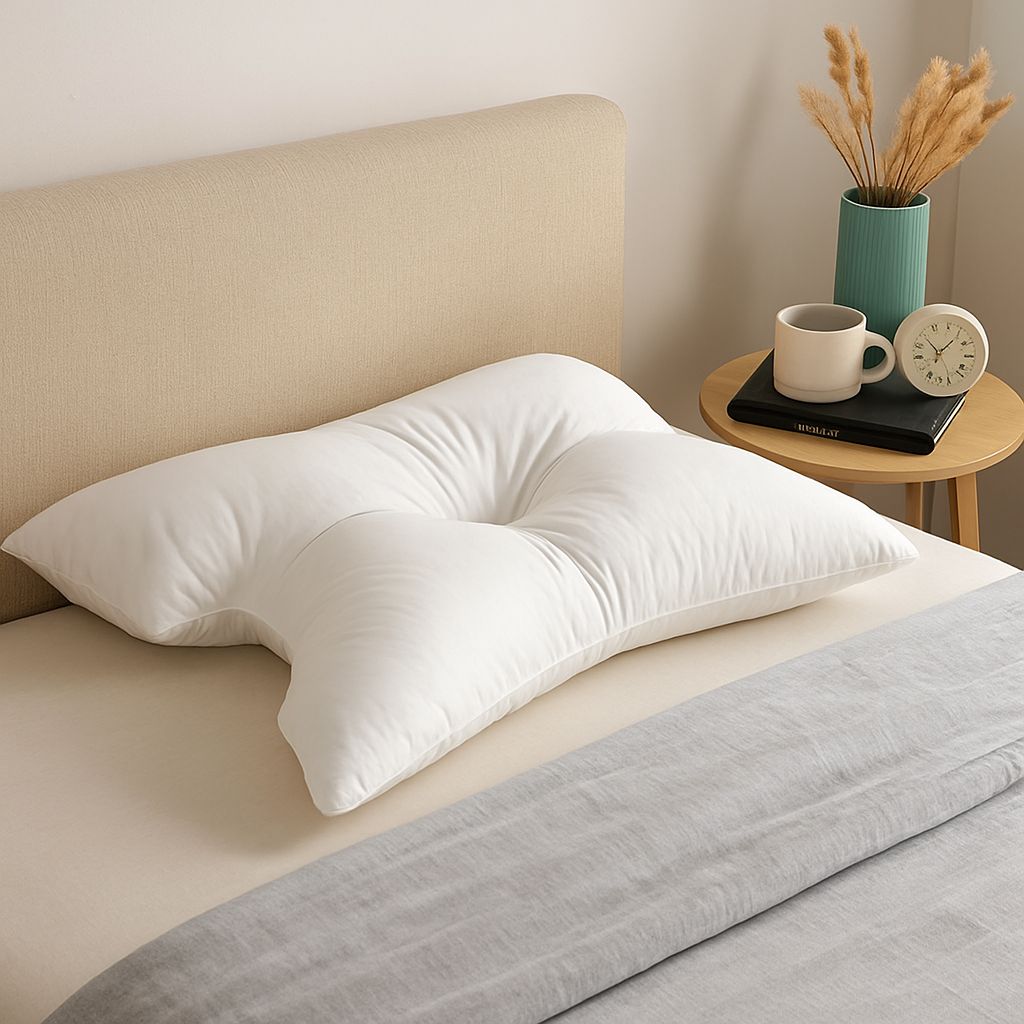
CPAP pillows are specially designed with cutouts or contours that accommodate mask frames and hose connections without pressing them into the face during side sleeping. A standard cpap cushion — the silicone or gel component that seals against the skin — is a separate product from a CPAP pillow, though both terms are sometimes used loosely in patient communities. A cpap pillow for stomach sleepers presents particular challenges because stomach sleeping compresses mask frames against the mattress-facing side of the face, and most standard contoured CPAP pillows are designed for side sleepers rather than prone ones. Cpap cushions as a category includes replacement cushion pads sized to specific mask models — a distinction that matters when ordering because cushion tolerances vary between manufacturers by 1 to 2 mm. A cpap mask cushion that is even slightly too large creates leak channels at the edges; one that is too small raises leak pressure across the entire contact surface.
This guide covers CPAP pillow selection by sleeping position and explains how to correctly size replacement mask cushions.
CPAP Pillow Types by Sleep Position
Side sleeping CPAP pillows typically have one or two rectangular cutouts near the center of each side, sized to accommodate a full-face or nasal mask frame without contact. The pillow’s height profile positions the head at the correct cervical angle for side sleeping — typically 4 to 5 inches for most adults — while keeping the mask frame suspended in the cutout rather than pressed flat. The CPAP Pillow 2.0 (CPAP.com) and the Contour CPAPMax are the most frequently recommended options in this category.
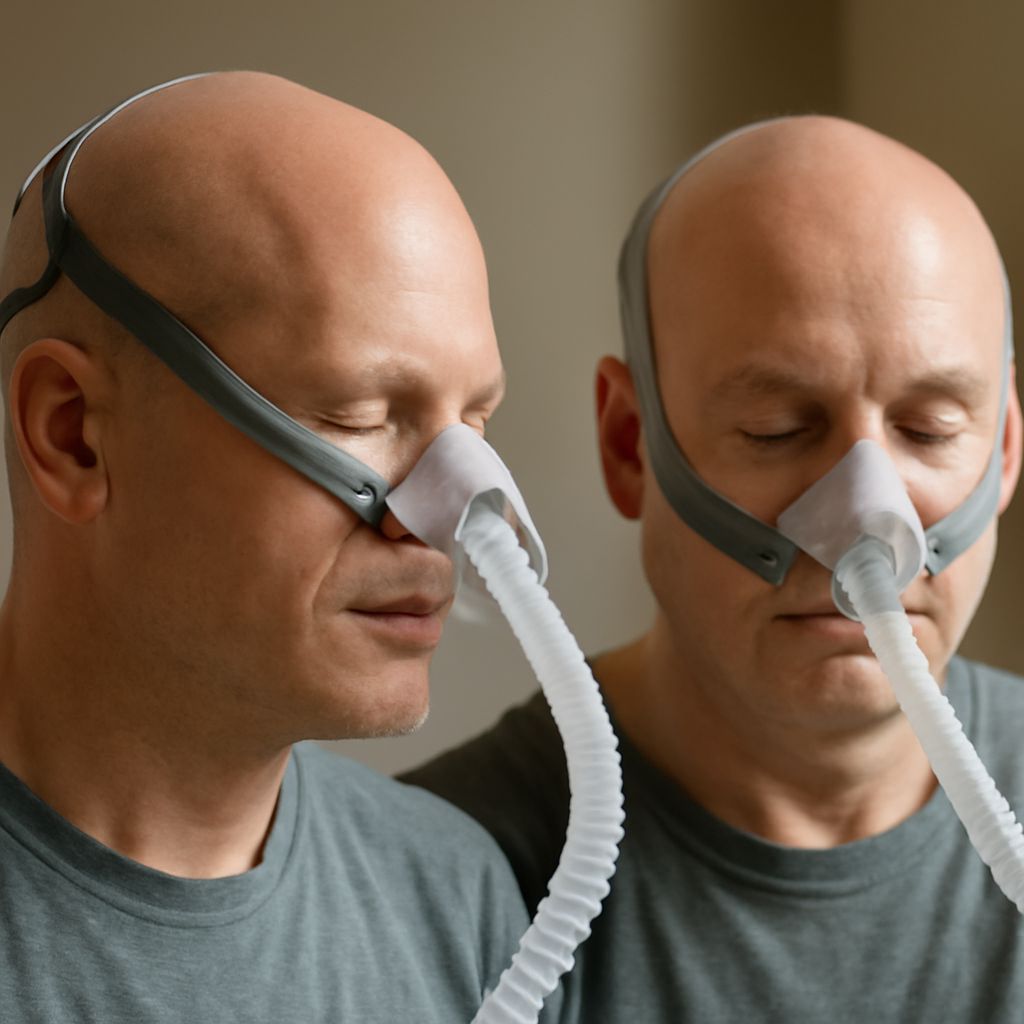
A cpap pillow for stomach sleepers is less standardized because stomach sleeping puts the face directly against the pillow surface, which no cutout fully prevents. The most practical solution for prone CPAP users is a nasal pillow mask, which has minimal frame profile and places seal points inside the nostrils rather than against the face. If a full-face mask is required, a contoured cutout pillow used in a partially prone position (torso rotated slightly, head tilted to one side) combined with a soft pillow placed under the shoulder to elevate the torso reduces direct mask-to-pillow compression.
Selecting the Right Replacement Mask Cushion
Replacement cpap cushions come in small, medium, and large sizes for most mask models, and occasionally small-wide or medium-wide variants for broader facial structures. The correct sizing process uses the manufacturer’s template — a paper cutout available on most manufacturer websites — which is held against the face to determine which size nose bridge or nasal opening corresponds to the individual’s anatomy.
A cpap mask cushion should be replaced every 30 days under regular use. Silicone degrades with daily exposure to facial oils, cleaning products, and UV light, losing its flexibility and developing microscopic tears that allow air to escape. A cushion that passed the manual fingertip flex test in month one — flexible and springy when pinched — will feel stiffer and less elastic by month three. Leak rates on CPAP data reports that trend upward over weeks without a headgear or position change are the most reliable indicator that cushion replacement is overdue.
Gel cushions, offered by ResMed and some third-party manufacturers, hold their profile slightly longer than standard silicone — typically 6 to 8 weeks before noticeable stiffening — and are preferred by users with sensitive skin. They are more expensive than silicone replacements but reduce the facial redness that some users experience from standard cushion contact.
Bottom line: choose a CPAP pillow matched to the sleeping position — side-sleeper cutout designs for standard positions, nasal pillow masks for prone sleepers — and replace mask cushions on a 30-day schedule regardless of visible wear. These two steps address the most common sources of mask leak and sleep disruption in CPAP users.