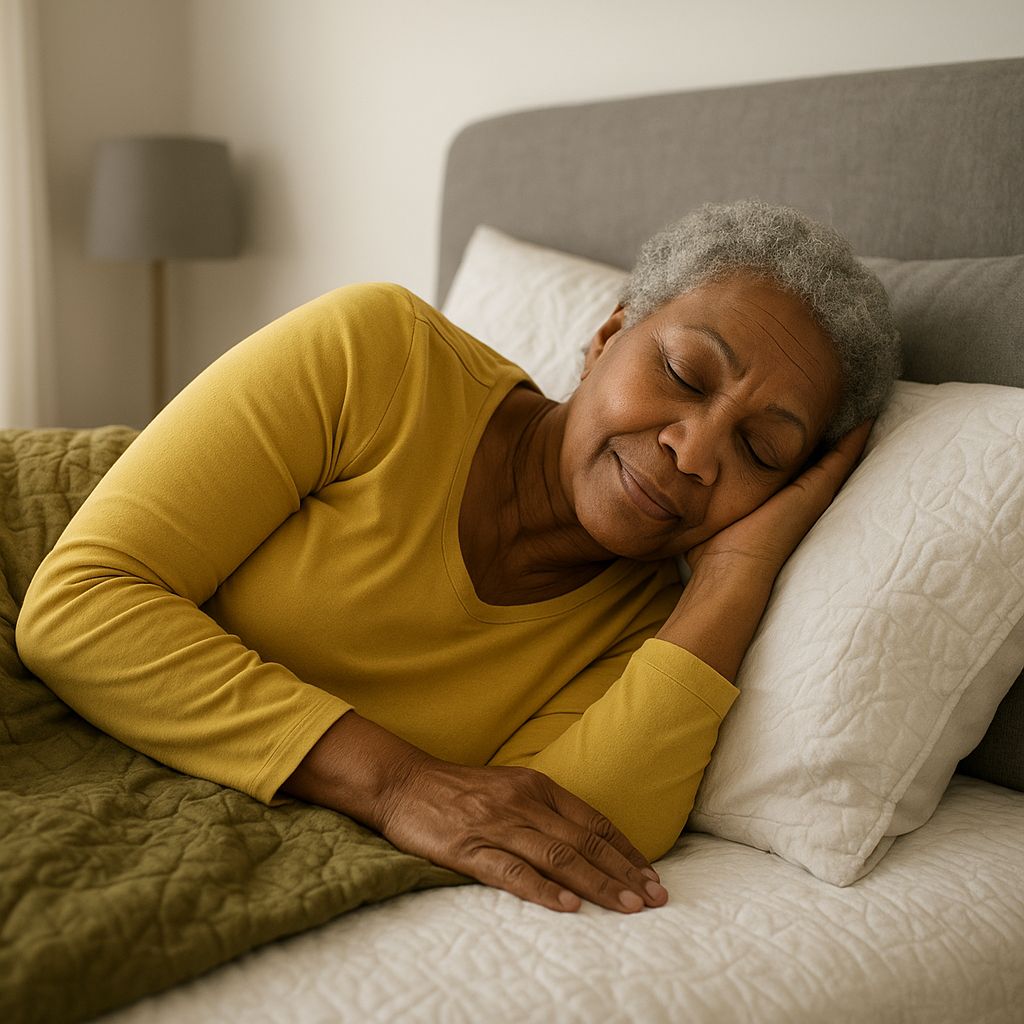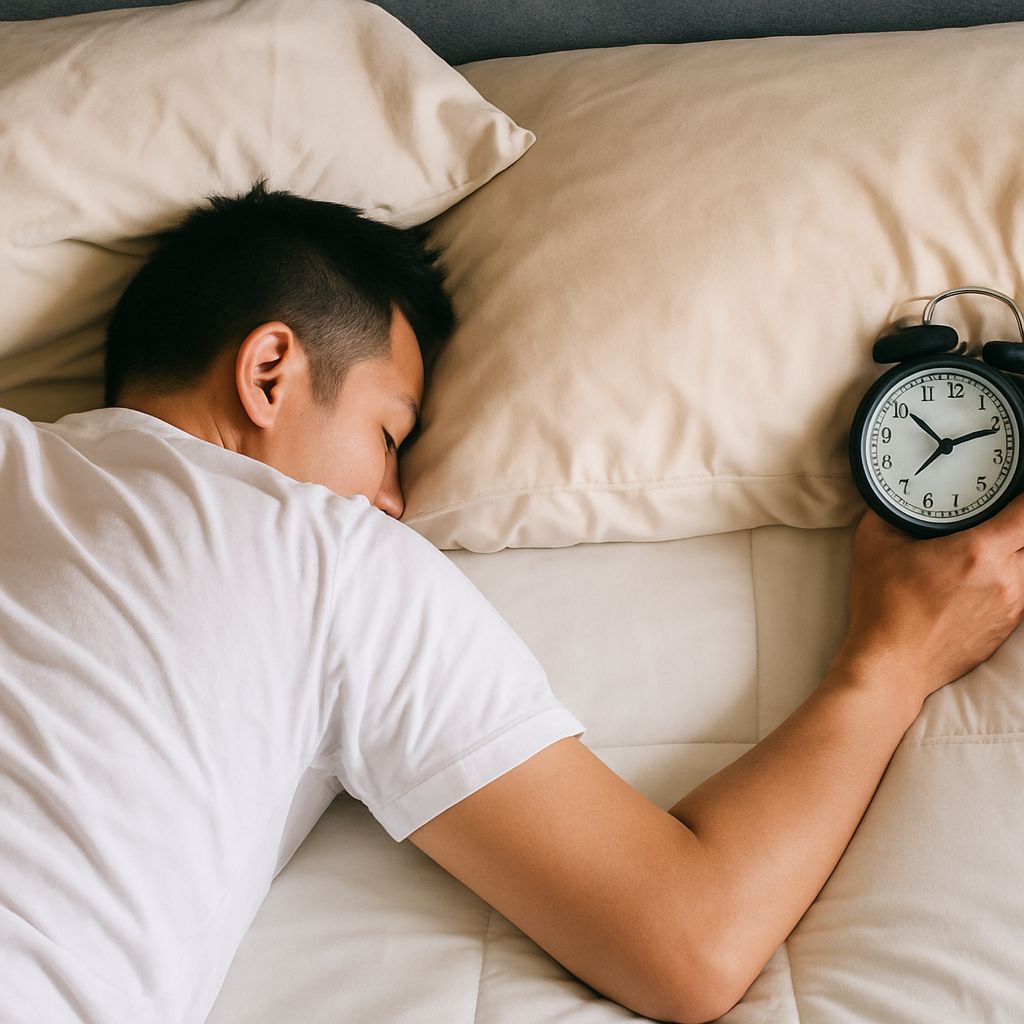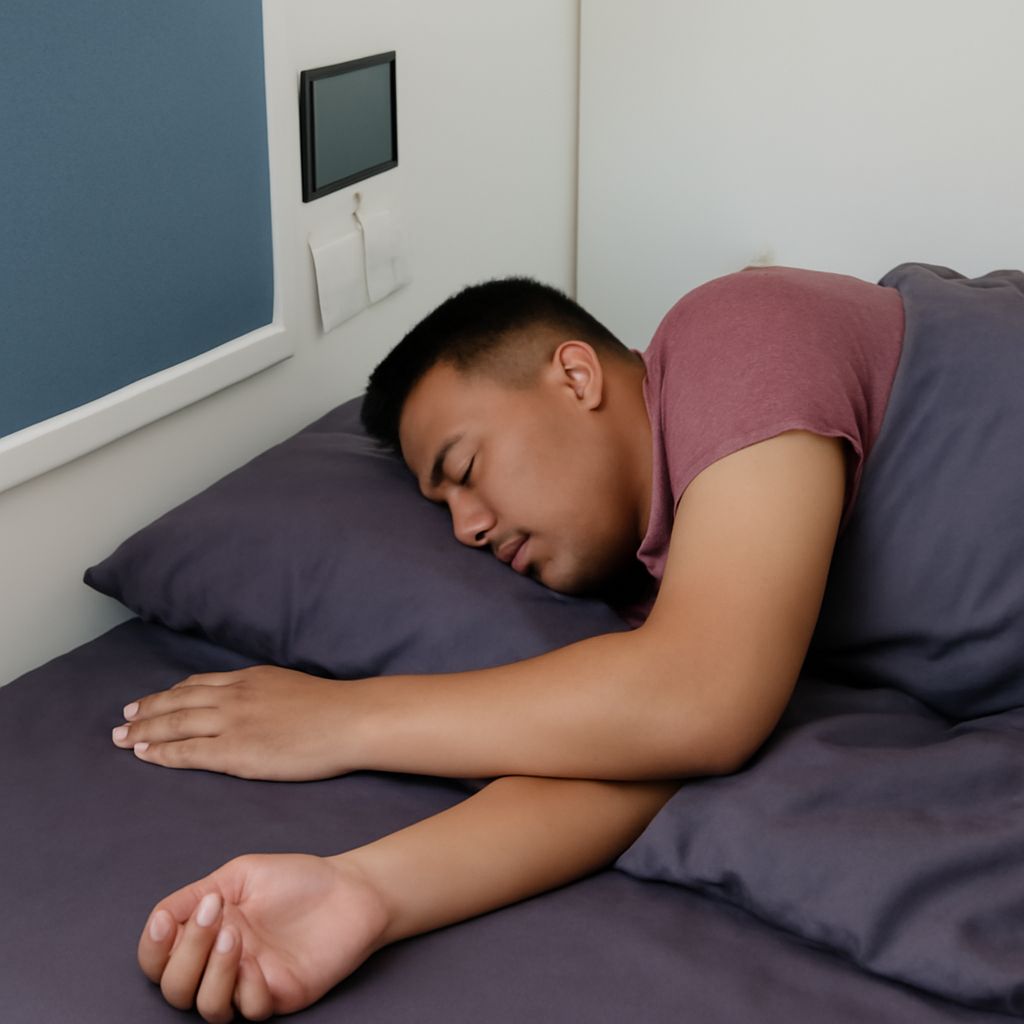
A sleep study for insomnia is not the same as a sleep study for sleep apnea, and the distinction matters for what the results can and cannot show. What happens in a sleep study depends on which type is ordered: a polysomnography (PSG) monitors brain waves, eye movements, muscle activity, respiratory patterns, and oxygen saturation across the full night. Sleep study what to expect for insomnia evaluation includes the same physiological monitoring but with a focus on sleep architecture, specifically the percentage of time spent in each sleep stage and the number and duration of awakenings.
What to expect during a sleep study starts the moment you arrive at the sleep center, typically in the early evening. Technicians apply 20 to 25 electrodes to the scalp, face, chest, and legs using conductive gel, connect a pulse oximeter to the finger, and attach airflow sensors at the nose and mouth. Sleep study tips for getting a representative result: avoid napping on the day of the study, skip caffeine after noon, and do not take any sleep aids unless specifically instructed otherwise.
What the Sleep Study Measures for Insomnia
Sleep study for insomnia typically reveals one of three patterns that influence treatment direction. The first is sleep-state misperception, where the patient reports sleeping poorly but the PSG shows a nearly normal sleep architecture. This finding confirms the diagnosis of paradoxical insomnia, where the perception of wakefulness during actual sleep is the primary problem rather than a quantitative sleep deficiency. Cognitive behavioral therapy for insomnia (CBT-I) is particularly effective for this subtype.
The second pattern is objective short sleep duration: the patient reports and PSG confirms reduced total sleep time, typically below five to five and a half hours, with multiple awakenings and extended wake after sleep onset (WASO). What happens in a sleep study in this case guides treatment toward CBT-I sleep restriction protocols that consolidate sleep into a shorter, more efficient window and gradually extend it. The third pattern is co-existing sleep disorder: the insomnia patient also has periodic limb movement disorder (PLMD), restless legs syndrome (RLS), or undiagnosed sleep apnea that is fragmenting sleep from below the patient’s conscious awareness threshold.
Sleep Study Tips to Get the Most Useful Results
What to expect during a sleep study can feel strange to first-timers, and anxiety about the unfamiliar environment can worsen sleep quality on the night. Sleep study tips that reduce first-night effect: bring your own pillow and any sleep-related items that are part of your normal bedtime routine (a white noise app, a specific pillow spray, or a sleep mask), inform the technician of your normal bedtime and usual wake time so the recording schedule matches your baseline, and request a follow-up adaptation night if the first night’s data looks severely disrupted compared to typical.
After the Sleep Study: Reading Your Results
Sleep study what to expect from the results report includes an AHI (apnea-hypopnea index), percentage of time in each sleep stage, number of arousals per hour, total sleep time, sleep efficiency (time asleep divided by time in bed), and periodic limb movement index. Normal values: sleep efficiency above 85%, slow-wave sleep (stages 3 and 4) above 13 to 15% of total sleep time in adults under 60, REM sleep 20 to 25% of total sleep time, arousal index below 10 per hour.
A sleep study for insomnia that shows normal values but subjective poor sleep confirms paradoxical insomnia and guides the treatment plan toward cognitive approaches rather than medication. A study showing objective sleep fragmentation from PLMD or sleep apnea identifies a treatable root cause that may resolve the insomnia when addressed directly. Sleep study tips for follow-up: bring the results report to the follow-up appointment with specific questions about each abnormal finding, ask what the first treatment step is for each identified issue, and request timeline expectations for when symptoms should begin to improve with treatment.