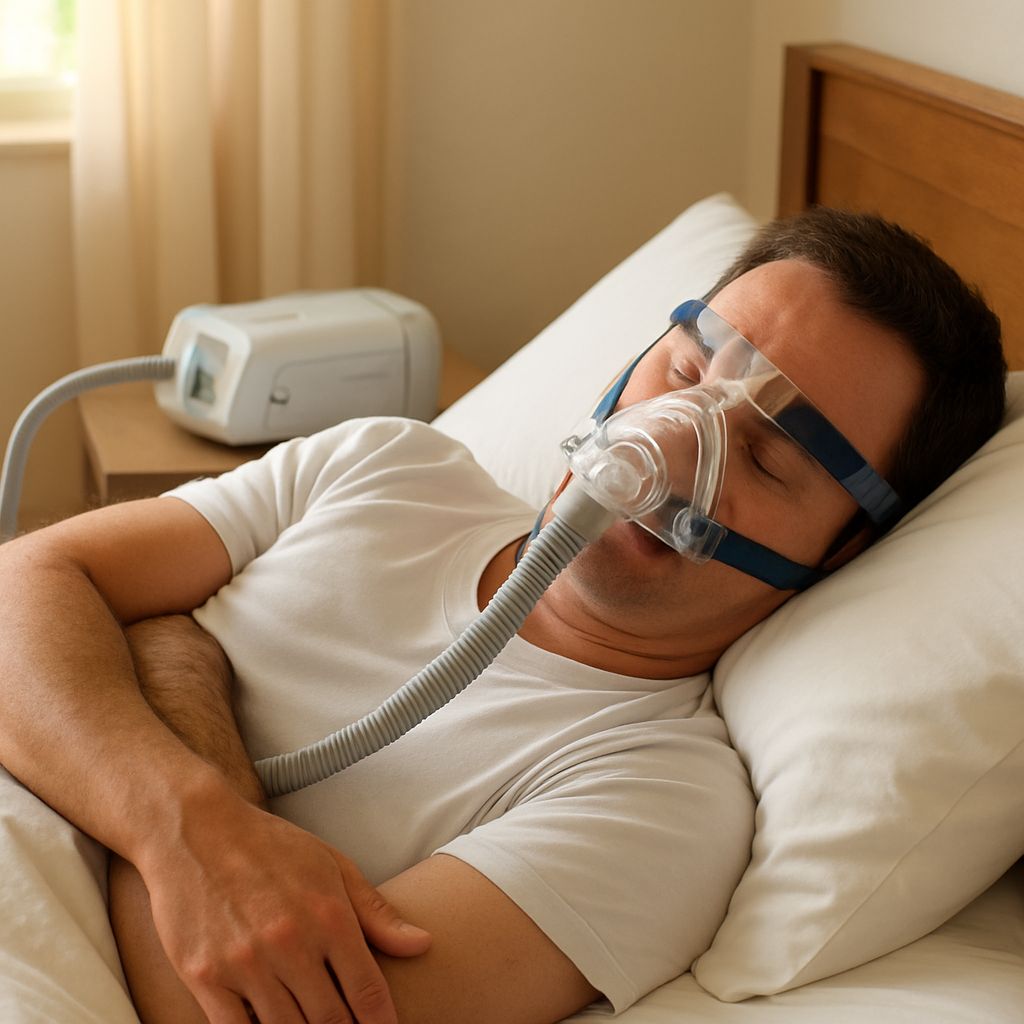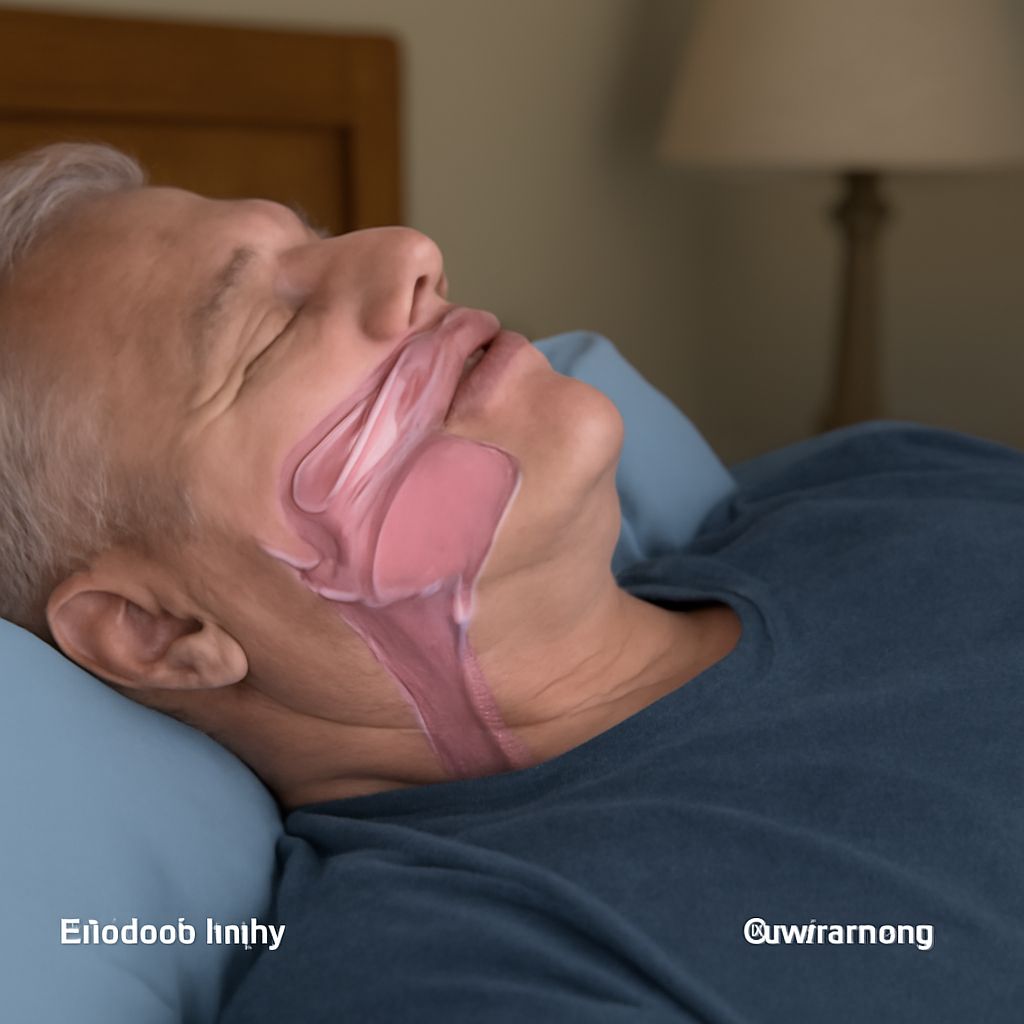
Sleep apnea oral appliance cost is the most common financial concern among patients considering this alternative to CPAP. The sleep apnea dental appliance cost ranges from $1,800 to $3,500 for a custom-fabricated mandibular advancement device (MAD), depending on the dental practice, device brand, and number of follow-up adjustments included. Insurance often covers oral appliances for sleep apnea when a physician diagnosis and prior CPAP trial are documented. Oral appliance vs CPAP is not simply a cost comparison: the two therapies have different AHI reduction profiles, compliance advantages, and long-term maintenance expenses.
The oral appliance for sleep apnea cost question often focuses on upfront price, but the total cost of ownership over five years includes replacement devices, annual dental follow-ups, and any necessary adjustments to the titration. CPAP vs oral appliance cost over five years is often comparable when these factors are included, but the initial out-of-pocket amount differs significantly depending on insurance coverage.
Breaking Down Sleep Apnea Dental Appliance Cost
A custom oral appliance for sleep apnea cost includes the initial evaluation, dental impressions or digital scanning, device fabrication by a dental laboratory, delivery and fitting appointment, and typically three to six follow-up titration visits over the first three to six months. The device fabrication alone represents 50 to 60% of the total cost. The most commonly prescribed MAD designs, the SomnoMed Avant, Respire Blue series, and ProSomnus EVO, all fall in the $1,800 to $3,000 range after the complete evaluation and titration package.
Insurance coverage for sleep apnea dental appliance cost through medical insurance (not dental) requires a sleep apnea diagnosis from a physician, documentation of a CPAP trial that was deemed unsuccessful due to intolerance, and pre-authorization. Medicare Part B covers 80% of the approved amount for oral appliances under DMEPOS (durable medical equipment) when these conditions are met. Private insurers vary: many follow Medicare’s framework, others require AHI thresholds of 15 or above. A dental practice that specializes in sleep apnea devices will handle the prior authorization process and can estimate out-of-pocket cost before fabrication begins.
Oral Appliance vs CPAP: Effectiveness Comparison
Oral appliance vs CPAP effectiveness data shows that CPAP reduces AHI more effectively on average, typically achieving AHI below 5 in 85 to 95% of patients versus 60 to 70% for oral appliances. However, real-world effectiveness favors oral appliances in patients who cannot tolerate CPAP, because a device that is used consistently provides more therapeutic benefit than a device that sits unused. Studies comparing home sleep test AHI outcomes in matched groups of CPAP-intolerant patients show that oral appliance users achieve AHI reductions comparable to CPAP users in terms of daytime sleepiness, quality of life, and blood pressure reduction, because their adherence is higher.
Is the Sleep Apnea Oral Appliance Cost Worth It?
The oral appliance for sleep apnea cost is worth it for three groups: CPAP-intolerant patients with mild to moderate obstructive sleep apnea, travelers who cannot reliably access electrical outlets, and people whose lifestyle or sleeping environment makes CPAP impractical. For patients with severe apnea (AHI above 30), the oral appliance works for only 60 to 70% of users, and those for whom it does not adequately control the AHI below 10 need to return to CPAP or pursue surgical options.
CPAP vs oral appliance long-term maintenance: CPAP supplies (mask, tubing, filters) cost $200 to $600 per year when replaced on schedule. An oral appliance typically requires no replacements for three to five years but needs annual dental evaluation. Bilateral jaw discomfort, tooth movement, and dry mouth are the most common side effects of oral appliance therapy, occurring in 30 to 50% of users at some point during the titration period. These side effects are usually manageable with device adjustments and resolve in most patients.
Bottom line: Sleep apnea oral appliance cost is substantial upfront, but insurance often covers a large portion for CPAP-intolerant patients. The therapy is effective for mild to moderate sleep apnea with high long-term adherence and a manageable side effect profile. Work with a dentist credentialed in dental sleep medicine and confirm insurance coverage before committing to any specific device.