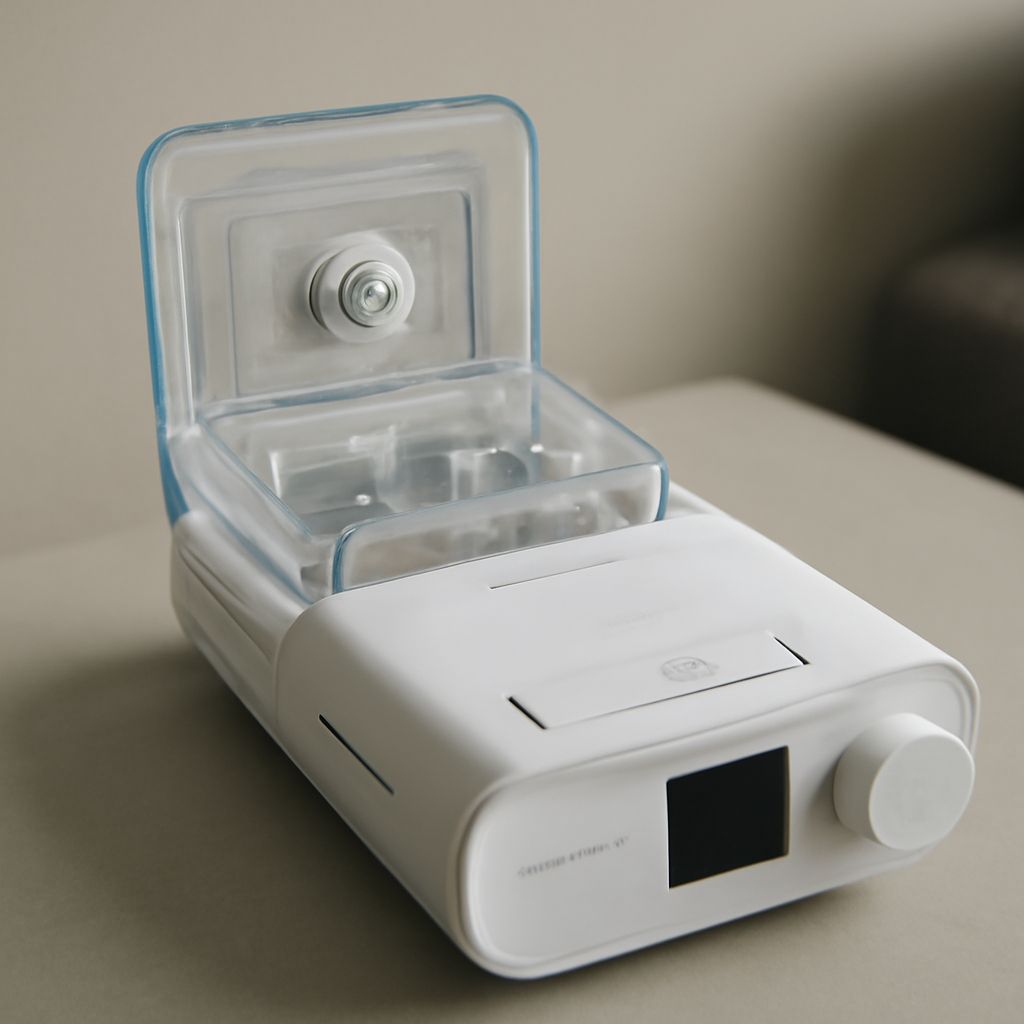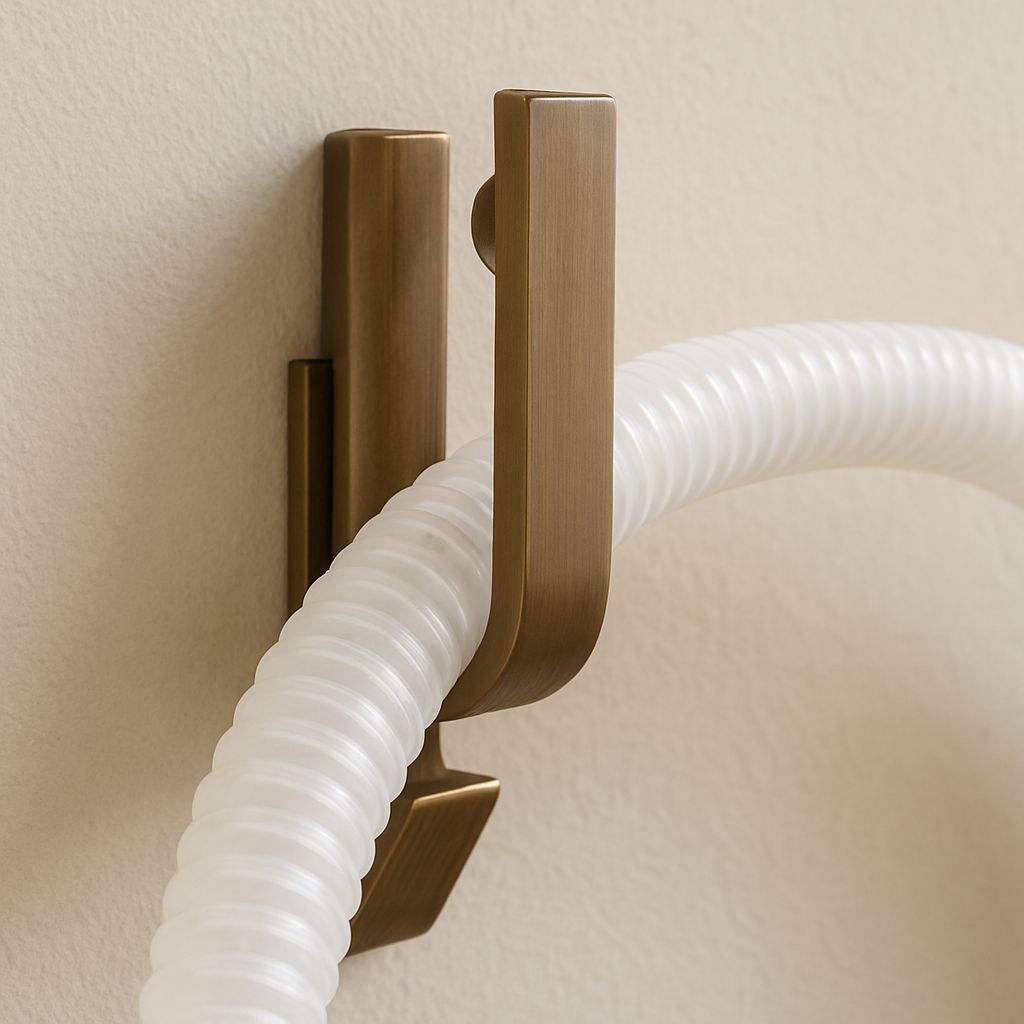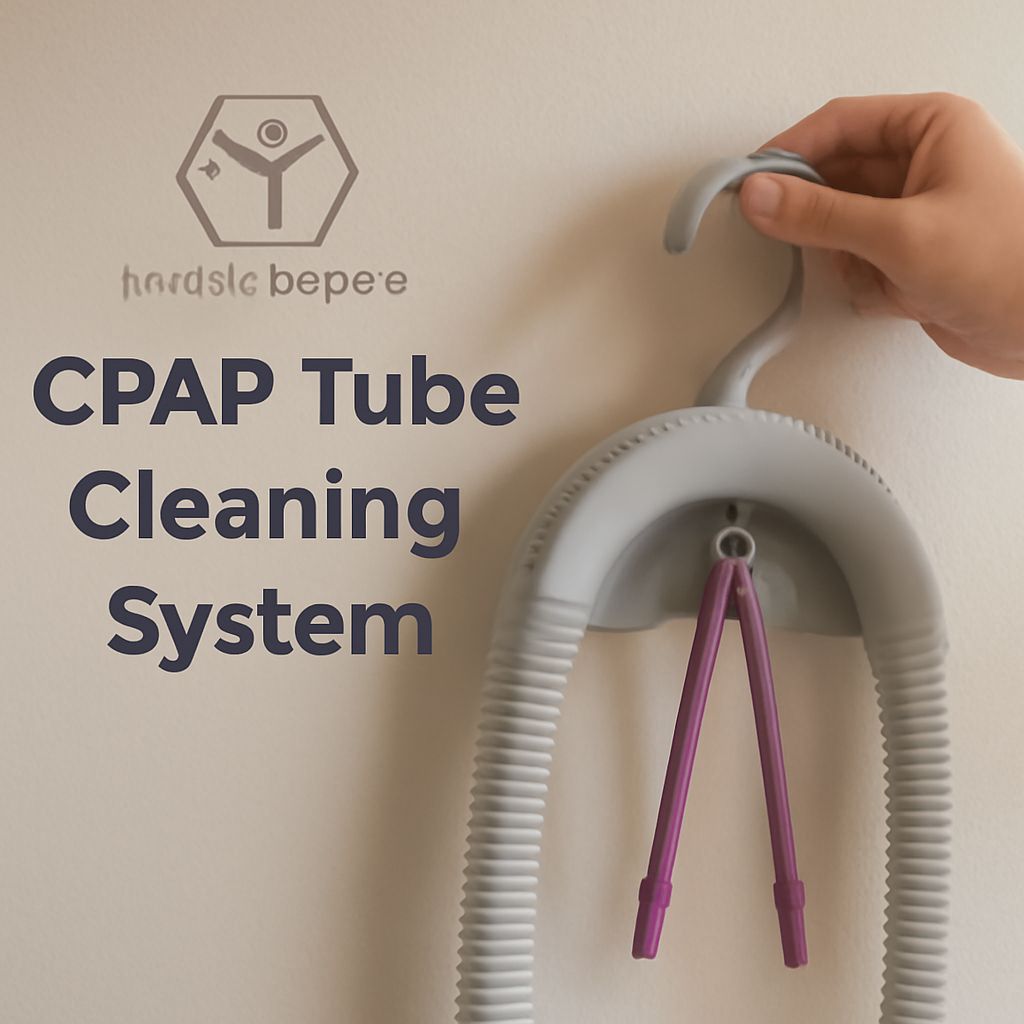
A CPAP hose cleaner addresses one of the most overlooked contamination zones in CPAP therapy. The tubing interior is warm, humid, and dark, conditions that support bacterial and mold growth within days of use if not cleaned regularly. Standard cpap cleaning products range from simple brush kits that physically scrub the inner walls to automatic devices that use ozone or UV to kill pathogens without soaking. Cpap cleaning machine reviews consistently show that manual brush methods and automated devices each have specific strengths, and the best approach for any given user depends on how much time they can commit to the cleaning routine and how severe their contamination concerns are.
A cpap cleaner kit typically includes a flexible tube brush long enough to reach through standard 6-foot CPAP hoses, a mask brush for cushion crevices, and often a small bottle of CPAP-specific cleaning solution. An automatic cpap cleaner handles the disinfection cycle with minimal hands-on time but does not replace the physical cleaning that removes mineral deposits and biofilm the device cannot kill or dissolve.
Manual CPAP Hose Cleaner Methods and Products
The basic cpap hose cleaner approach is a long, flexible tube brush drawn through the hose several times with soapy water. The brush should reach the full length of the tubing and have bristles soft enough to clean without scratching the inner wall. Scratches create rough surfaces where biofilm accumulates faster. Brushes specifically designed for CPAP tubing are available for $5 to $15 and fit standard 15mm, 19mm, and heated tubing diameters. After brushing, rinse the hose thoroughly under running water and hang to air-dry completely before the next use, which typically requires two to four hours.
Cpap cleaning products in liquid form include CPAP-specific soap formulations and diluted white vinegar solutions. CPAP soap (pH-neutral, fragrance-free) is the manufacturer-recommended cleaning agent for all mask and tubing materials. A 1:3 solution of white vinegar and distilled water used as a weekly soak for 20 minutes in the tubing removes mineral scale that soap does not dissolve. After any vinegar soak, rinse the tubing thoroughly with distilled water and then plain water to prevent residual acid from degrading silicone over time.
Automatic CPAP Cleaners: What the Reviews Show
Cpap cleaning machine reviews from both clinical users and independent testing consistently find that ozone-based automatic cpap cleaner devices are more effective for tubing contamination than UV-based devices. The reason is physical: ozone penetrates the full interior of the tubing as a gas, while UV light cannot reach inside a tube at all. UV-based devices work on mask cushions, headgear, and chamber surfaces where line-of-sight allows full exposure.
The SoClean 2 and SoClean 3 are the most reviewed ozone automatic cpap cleaner products. Independent lab testing has shown 99.9% kill rates for common CPAP pathogens including Staphylococcus aureus, Pseudomonas aeruginosa, and Aspergillus fumigatus. The ozone cycle takes 30 minutes, followed by a 60-minute deactivation period during which residual ozone dissipates. Users who skip the deactivation period report mild respiratory irritation, so the timer must be respected.
A complete cpap cleaner kit that combines a brush for physical cleaning with an ozone or UV device for microbial disinfection covers both modes of contamination. Physical cleaning removes biofilm and mineral deposits that chemical or energy-based cleaners cannot dissolve. Microbial disinfection kills the organisms that physical brushing dislodges but may not fully remove from the tubing surface. Used together on a weekly basis, the combination produces cleaner equipment than either method alone.
Cost comparison for cpap cleaning products: manual brush kits run $10 to $20 and last one to two years. Ozone automatic cpap cleaner units cost $100 to $200. UV-based devices run $80 to $150. CPAP wipes for daily mask cleaning cost $15 to $25 per 62-count pack. For users who travel frequently and cannot use an ozone device (which requires a sealed bag and consistent power supply), cpap wipes plus a portable UV wand is the most practical combination for maintaining hygiene on the road.