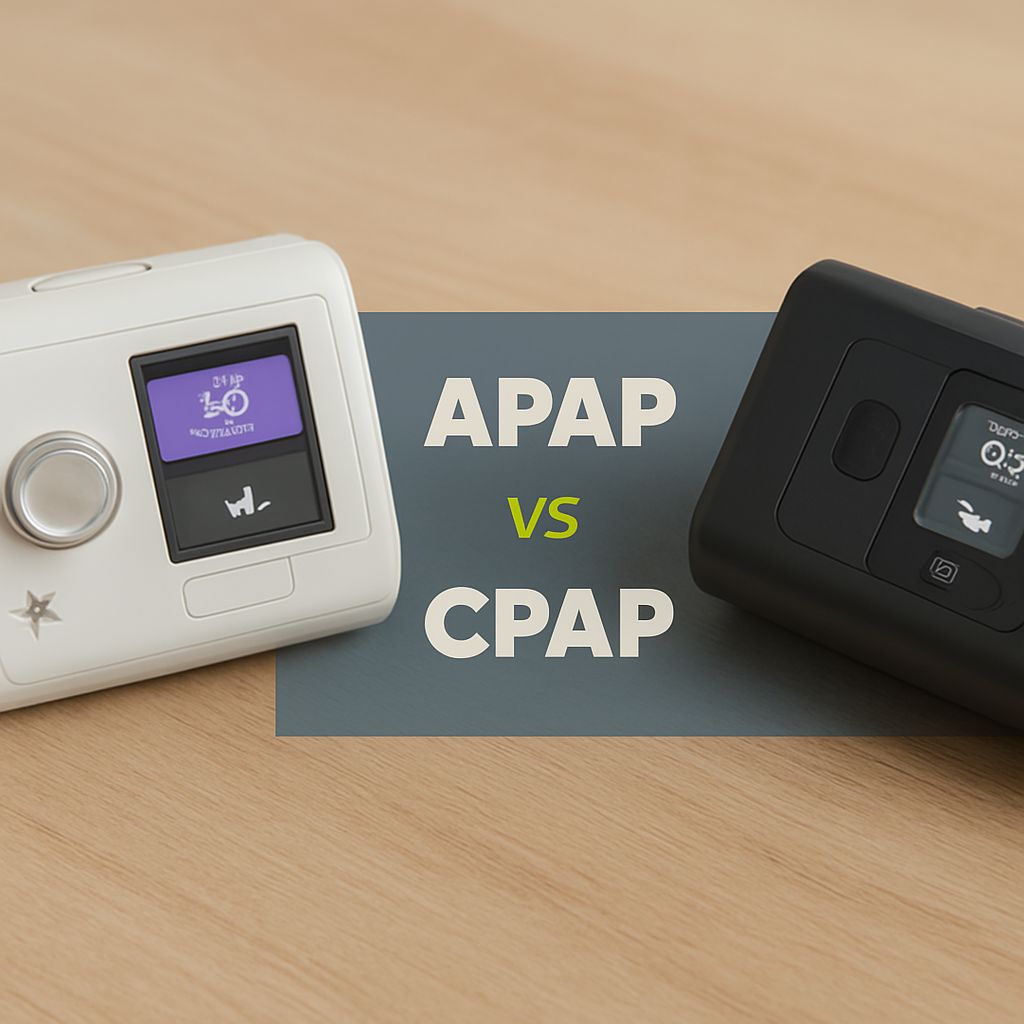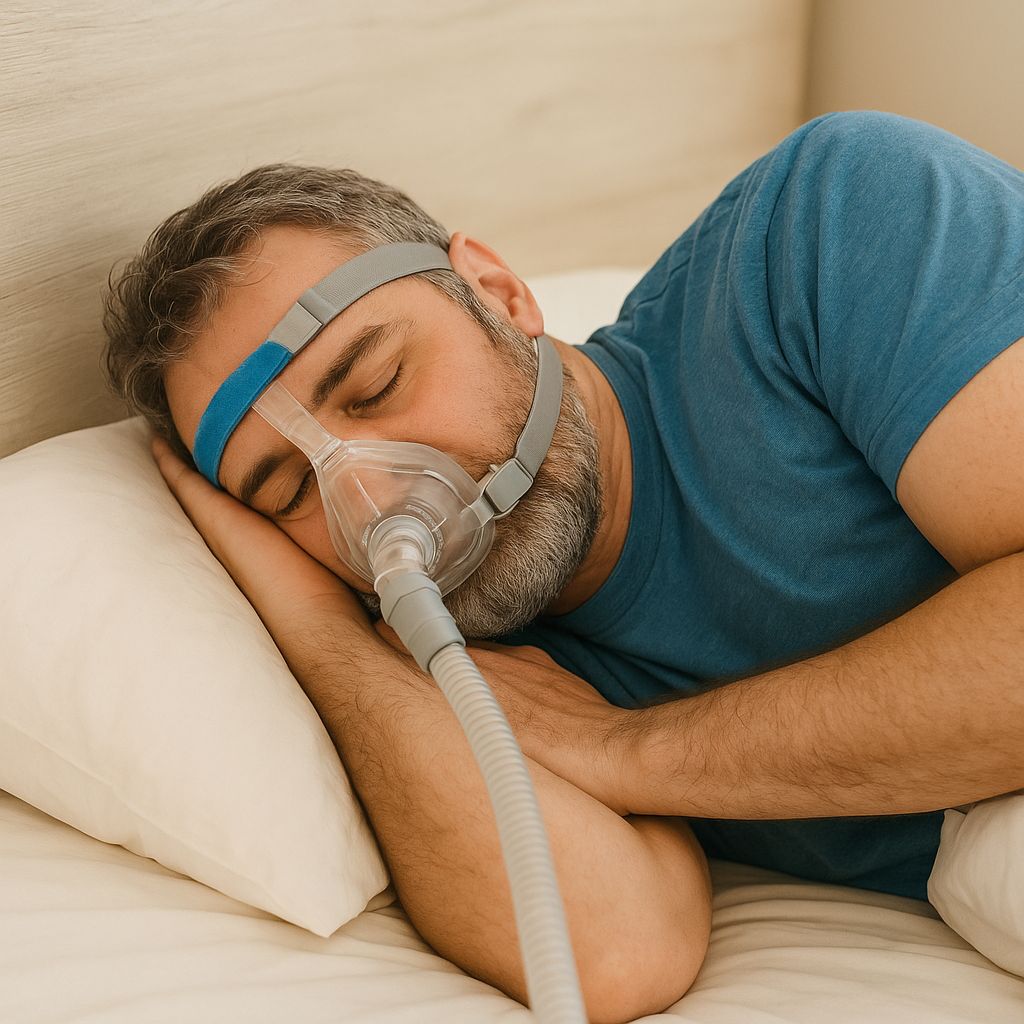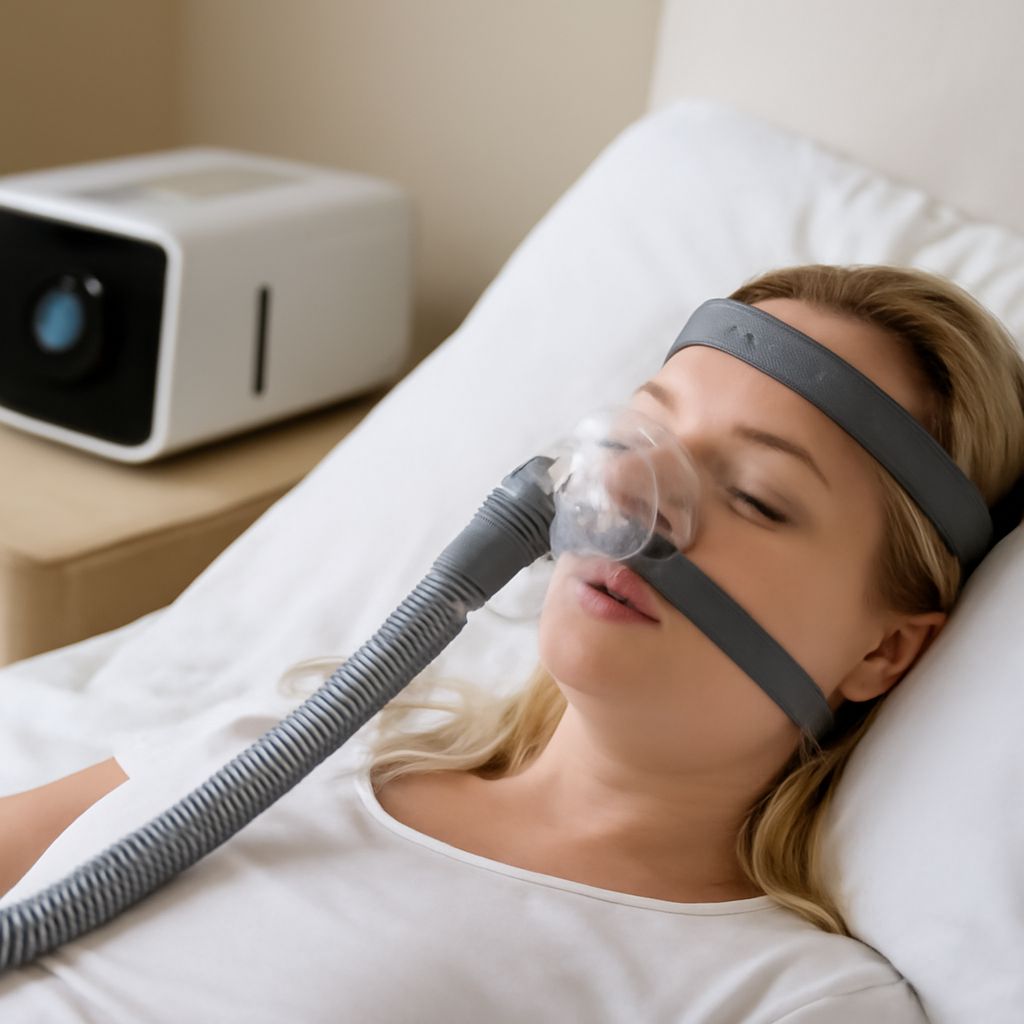
An auto cpap machine adjusts its pressure delivery breath by breath based on real-time airway resistance, unlike a fixed-pressure CPAP that delivers the same setting all night. Titrated pressure needs shift with body position, sleep stage, weight changes, and alcohol consumption, so an auto adjusting cpap addresses those shifts without requiring a return to the sleep lab for retitration. Questions about how long does a cpap machine last apply equally to both device types: motors, humidifier chambers, and circuit boards wear at similar rates regardless of whether pressure is fixed or auto. Searching for an auto cpap machine for sale, patients frequently ask how long do cpap machines last before deciding between a refurbished unit and a new model, since the expected lifespan affects total cost of ownership. Understanding both how auto pressure delivery works and what components limit device longevity helps users make informed purchasing and replacement decisions.
This guide explains APAP algorithms, lists the factors that affect machine lifespan, and provides a practical replacement timeline.
How Auto-Adjusting Pressure Works
Flow Signal Analysis
Auto CPAP machines sample airflow waveforms 20 to 200 times per second. The algorithm identifies flow limitation — a flattened inspiratory peak on the flow curve — as the earliest sign of partial airway collapse, before a full apnea or hypopnea develops. When flow limitation is detected, pressure increases in small increments of 0.4 to 1.0 cm H2O. When breathing normalizes and remains stable for several minutes, pressure decreases gradually back toward a minimum setting.
ResMed’s AutoSet algorithm weights recent event history with a decay function, meaning a cluster of events at 2 AM raises pressure more aggressively than isolated events during the same time window would. Philips Respironics uses a different weighting approach that responds more to snore detection. Neither is universally superior; the right algorithm depends on the user’s apnea pattern, which is why some patients trial both brands before settling on one.
Factors That Determine Machine Lifespan
How long a cpap machine lasts depends primarily on motor hours, filter maintenance, and humidifier care. The motor drives the blower that generates pressure. Most CPAP motors are rated for 20,000 to 30,000 hours of operation, which translates to 7 to 11 years at 8 hours of use per night. Real-world lifespans typically run 5 to 7 years because heat cycling degrades motor bearings and capacitors at a rate faster than pure runtime hours suggest.
Filter neglect accelerates motor wear. Disposable fine filters should be replaced every 2 to 4 weeks; foam filters should be rinsed weekly and replaced every month. A clogged filter makes the motor work harder to pull air, raising internal temperatures and shortening bearing life. Humidifier chamber mineral deposits, if left uncleaned, can crack the chamber after 12 to 18 months in areas with hard water, requiring a replacement chamber before the motor fails.
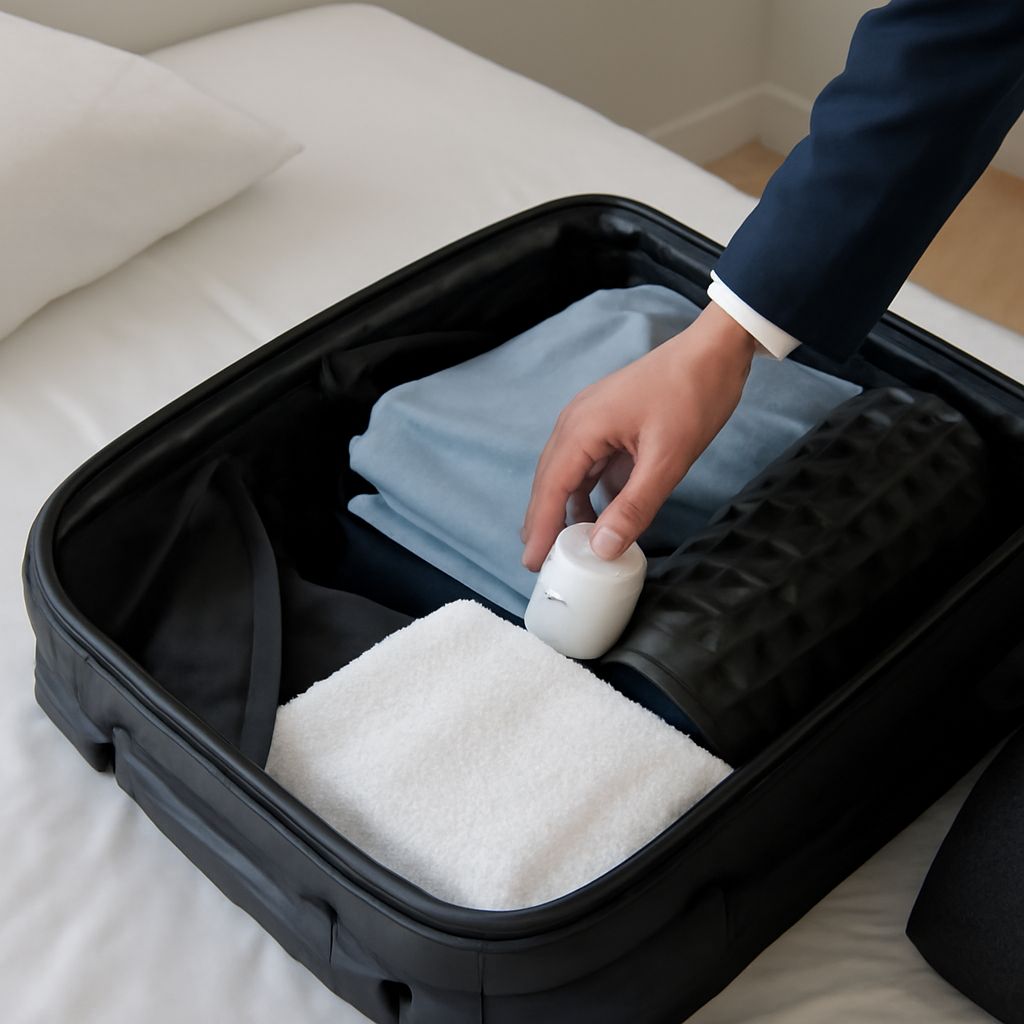
How long cpap machines last also depends on transit handling. Machines dropped or vibrated heavily during travel develop seal failures and PCB cracks that shorten life significantly. CPAP-compatible travel bags with padding reduce this risk for frequent travelers.
Replacement Timeline and Buying Considerations
Insurance plans in the United States typically fund CPAP replacement every 5 years, aligning roughly with the 5 to 7-year real-world lifespan. Machines showing increased noise (a worn motor bearing sounds noticeably rougher than a new unit), pressure inconsistency confirmed by a data download, or humidity control failure warrant replacement earlier.
For those evaluating an auto cpap machine for sale in the refurbished market, verify the hour counter if accessible via the device menu. Machines under 10,000 hours with documented service history represent reasonable value. Machines over 20,000 hours are near end-of-life regardless of price. New auto adjusting cpap models from ResMed (AirSense 11) and DeVilbiss (IntelliPAP Auto) include cloud connectivity for remote monitoring, which can simplify troubleshooting through a sleep provider without clinic visits.