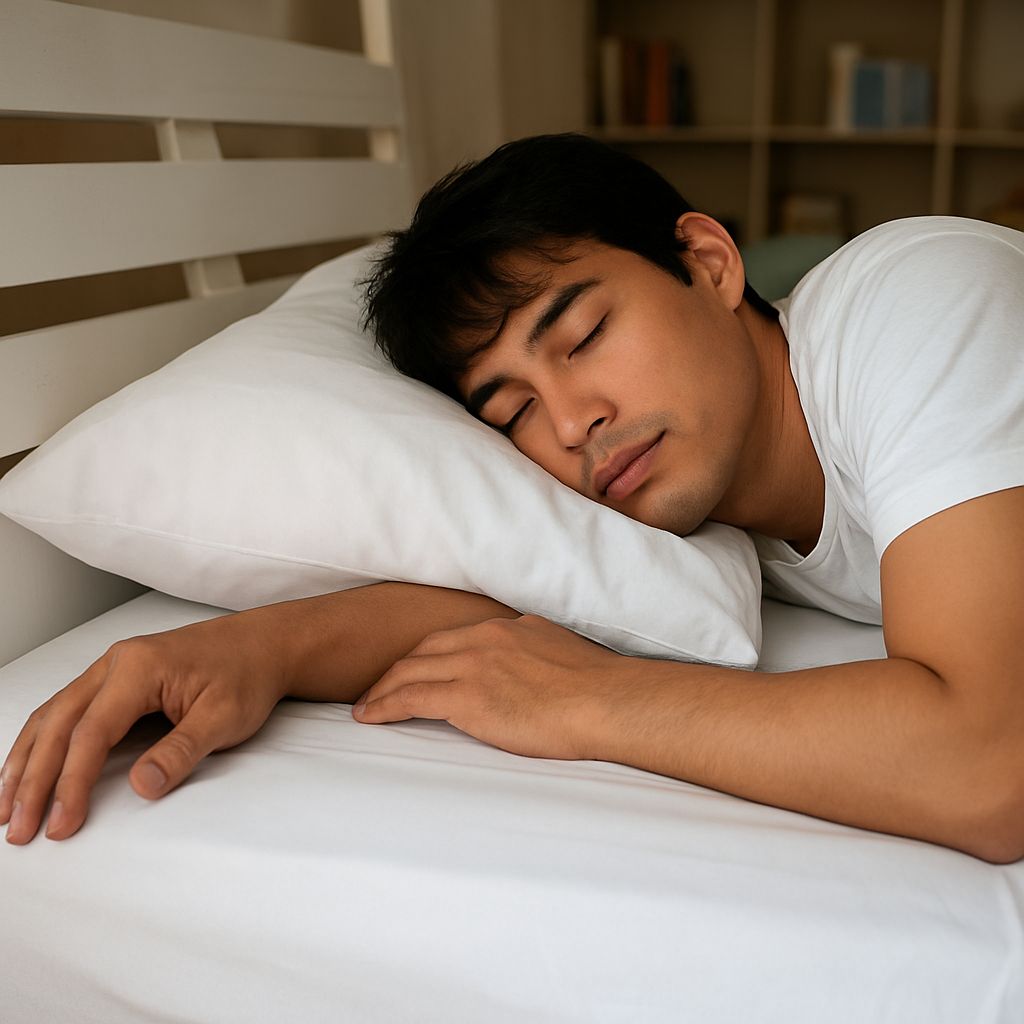
The best sleep position for sleep apnea is widely supported by research as lateral, meaning sleeping on either side rather than on the back. Positional obstructive sleep apnea, defined as an apnea-hypopnea index that is at least twice as high in the supine position as in the lateral position, affects approximately 56 percent of people diagnosed with obstructive sleep apnea. For this subset, changing position alone can reduce the AHI to below five events per hour, which meets the clinical threshold for controlled therapy without CPAP.
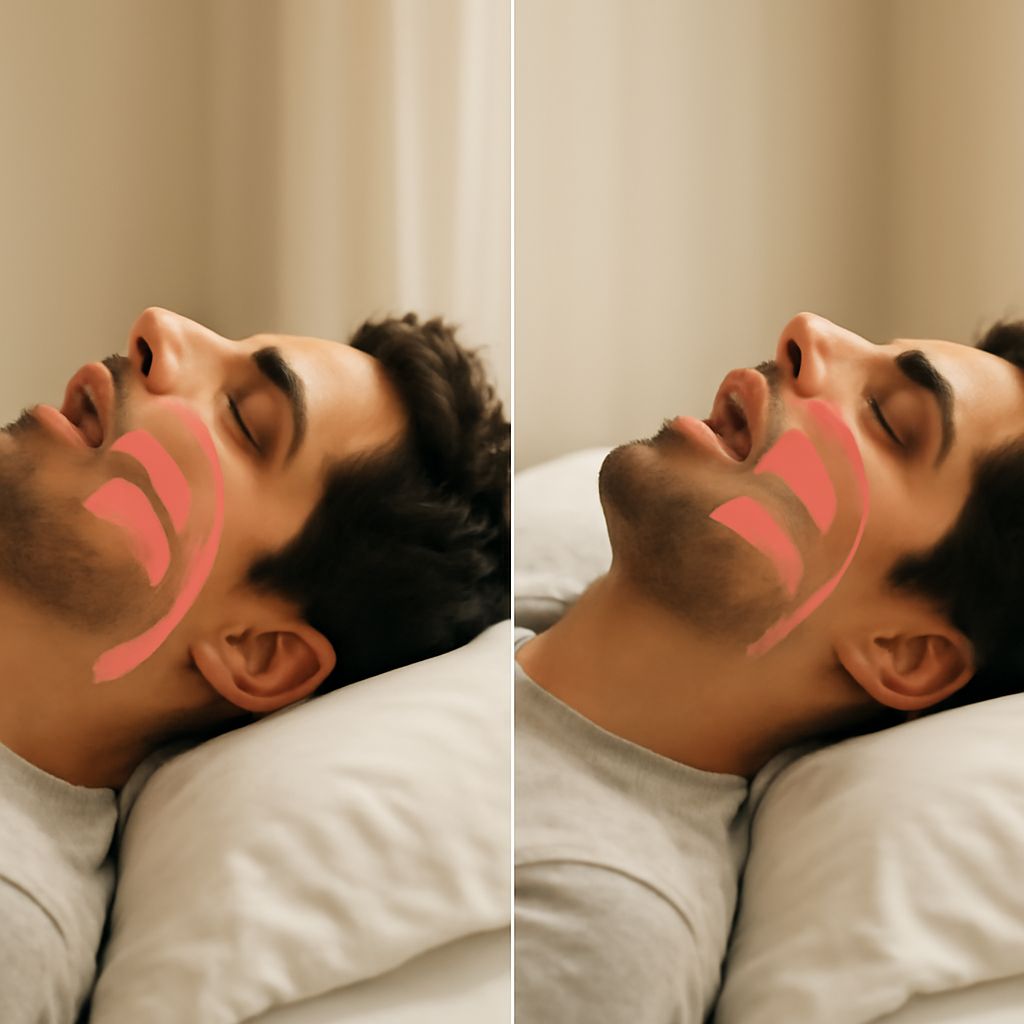
The best sleeping position for sleep apnea works through a simple anatomical mechanism. When a person lies on their back, gravity pulls the tongue and soft palate toward the posterior pharyngeal wall, narrowing or collapsing the airway. In the lateral position, the tongue falls away from that wall and rests against the lower cheek instead. The best position for sleep apnea in a CPAP user still benefits from lateral alignment because it reduces the pressure the machine needs to maintain patency, which lowers the incidence of pressure-related arousals and leak events. Sleep positions for sleep apnea are therefore relevant whether the patient uses CPAP or is managing the condition through behavioral and positional means. Sleep apnea sleeping position awareness is one of the lowest-cost interventions available and is frequently overlooked in favor of equipment-centered approaches.
Why the Back Is the Worst Sleep Apnea Sleeping Position
Supine sleep apnea produces longer individual apnea events than lateral sleep apnea because the collapsed airway surface area is larger when the tongue and palate fall centrally rather than laterally. Oxygen desaturation during supine apnea events is typically 3 to 7 percent deeper than during lateral events of equal duration. This means the best sleep position for sleep apnea is not simply about comfort; it directly affects the cardiovascular and metabolic consequences of each apnea episode.
The best sleeping position for sleep apnea in patients with positional dependence is specifically lateral rather than prone (face-down). Prone sleeping reduces apnea frequency but introduces cervical rotation stress and pressure on the facial structures that make sustained prone sleeping impractical for most adults. Lateral sleeping at a 45 to 90 degree rotation from the mattress surface provides the airway benefit without the musculoskeletal drawbacks.
Maintaining the Lateral Position Through the Night
Adults shift position an average of 10 to 30 times per night without waking. Patients who start the night lateral but roll supine during non-REM sleep may experience their highest-frequency apnea events in the early morning when REM sleep predominates and muscle tone is lowest. Several strategies reduce unintentional supine drift. A tennis ball sewn into the back of a sleep shirt creates enough discomfort when rolled onto to trigger a position change without full arousal. Commercial positional therapy devices attach to the sternum or upper back and vibrate when the accelerometer detects supine orientation. A long body pillow placed behind the back provides a physical barrier that interrupts rolling in many patients.
Combining Positional Therapy with Other Sleep Apnea Treatments
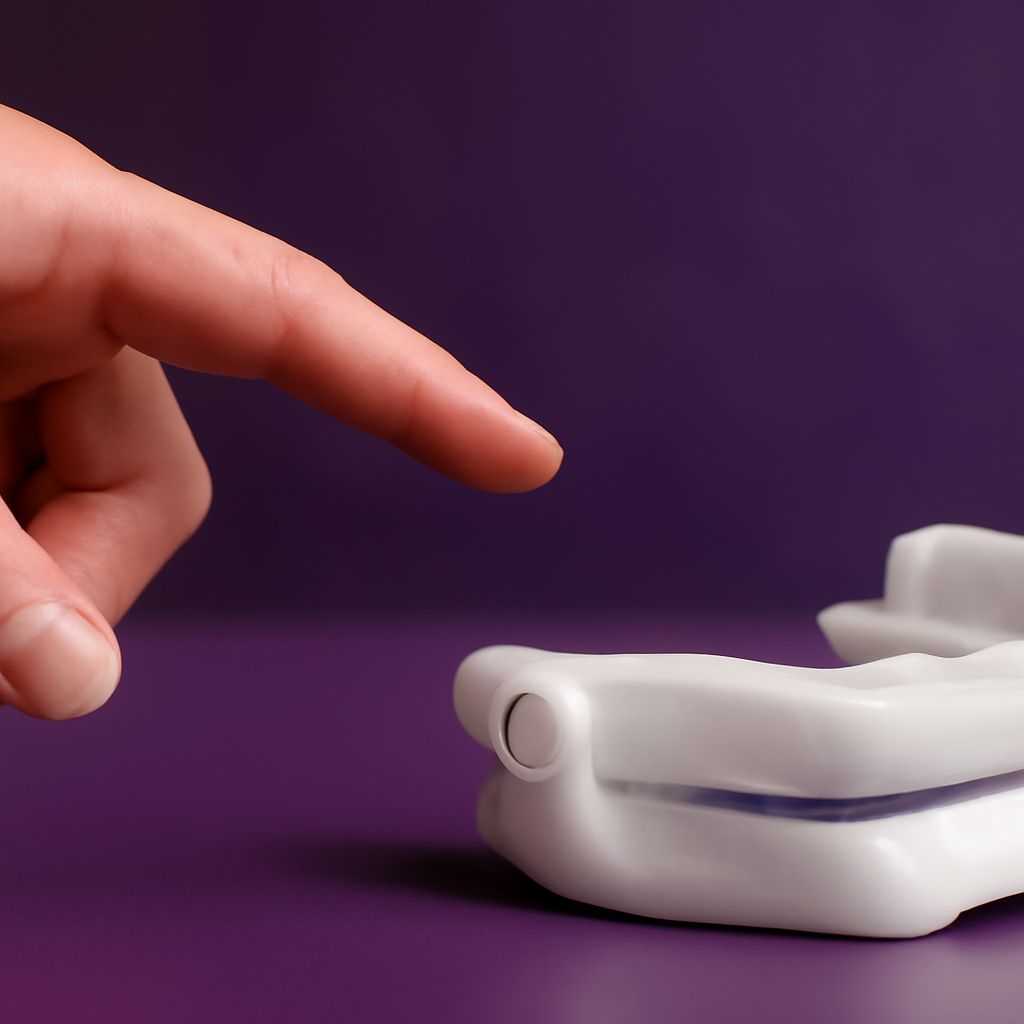
Sleep positions for sleep apnea are not mutually exclusive with other treatments. CPAP remains the gold standard for moderate to severe OSA, and positional awareness reduces the pressure settings required to maintain control, which can improve mask comfort and reduce leak rates. Patients who are CPAP-intolerant may find that positional therapy alone achieves adequate control if their AHI in the lateral position drops below 5. Weight loss reduces apnea severity independently of position and is synergistic with positional therapy because it reduces the volume of soft tissue surrounding the airway.
Patients using a sleep apnea sleeping position app or wearable should calibrate the device against a confirmed polysomnography result before relying on it as a sole compliance metric. Position sensors in consumer devices vary in accuracy and do not directly measure apnea events or oxygen saturation, so they are best used as adjuncts to clinical monitoring rather than replacements for it.
- Lateral sleeping reduces apnea events by gravity-mediated tongue displacement in approximately 56 percent of OSA patients.
- The supine sleep apnea sleeping position produces longer events and deeper oxygen drops than lateral events.
- Use a body pillow, positional shirt, or vibrating wearable to maintain lateral alignment through the night.
- CPAP pressure requirements decrease in the lateral position, reducing leak events and mask discomfort.
- Consult a sleep physician before stopping CPAP in favor of positional therapy alone; AHI must be confirmed below 5 in the lateral position on a formal study.