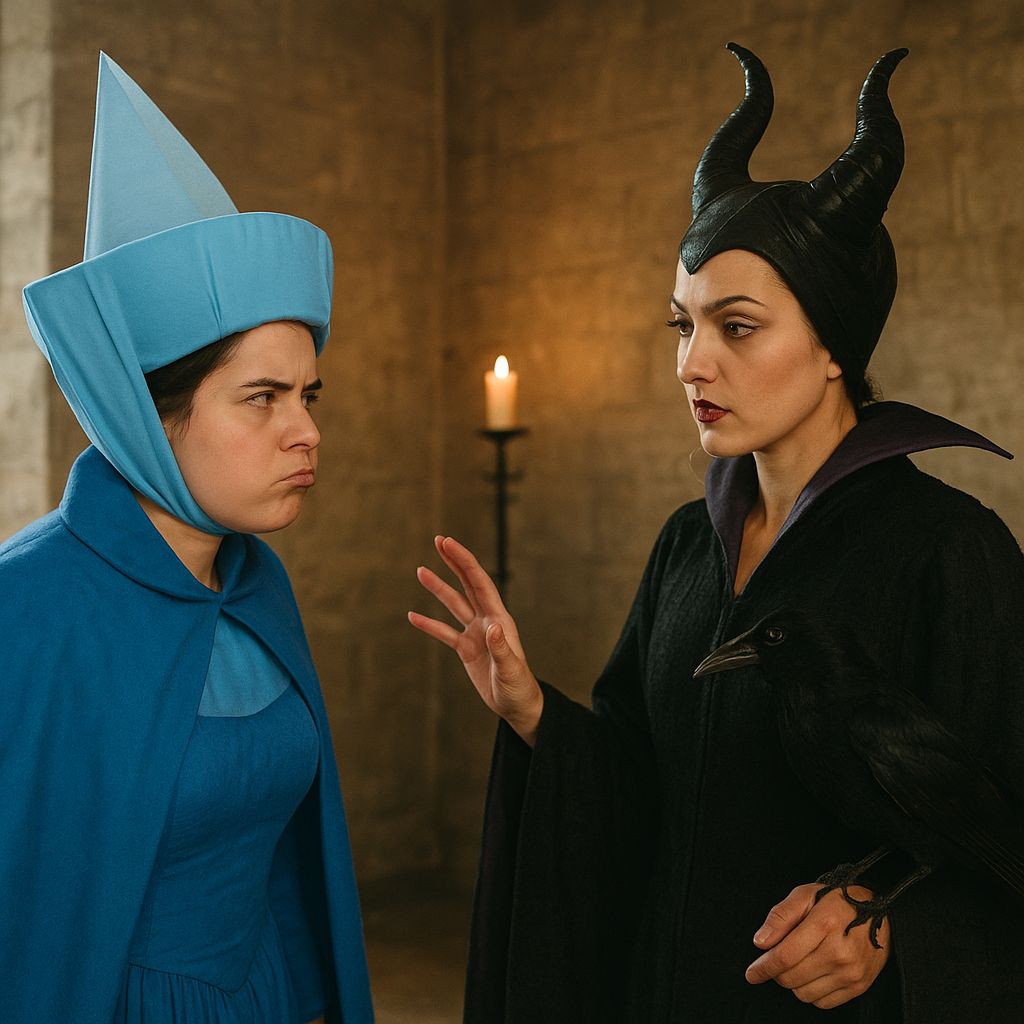
The real sleeping beauty story predates the sanitized versions by several centuries and includes details that modern audiences rarely encounter. The real sleeping beauty story most commonly referenced by folklorists is the 17th-century Italian tale “Sun, Moon, and Talia” by Giambattista Basile, which preceded both Perrault and the Brothers Grimm by decades and carried significantly darker content. The sleeping beauty true story—if one frames it as a medical allegory—maps onto two real conditions: Kleine-Levin Syndrome, a rare disorder involving recurrent hypersomnia lasting days to weeks, and encephalitis lethargica, a historical epidemic disease that placed patients in extended sleep-like states in the early 20th century. The original sleeping beauty story in its earliest form reflects folk understanding of coma and catalepsy at a time when differentiating sleep from death was clinically impossible. The true story of sleeping beauty, examined through this lens, is less a romantic fantasy and more a document of pre-modern medical fear.
The Earliest Source Texts
Basile and Perrault Compared
Basile’s “Sun, Moon, and Talia” (1634) is the earliest written version of what became the sleeping beauty narrative. In that text, a sleeping girl is discovered not by a prince who breaks a spell but by a king who assaults her while she sleeps, after which she gives birth while still unconscious. The spell is broken not by a kiss but by an infant nursing on her finger and dislodging the splinter that caused the cataleptic state.
Perrault’s 1697 version eliminated the assault but retained a second, darker act involving a murderous mother-in-law, which later editors removed entirely. The Brothers Grimm version from 1812 produced the simplified “kiss awakens princess” structure that has dominated the story since. Each revision moved the tale further from the original text and from the darker folk understanding of involuntary sleep states.
Medical Parallels in Modern Sleep Science
Kleine-Levin Syndrome (KLS) is the closest real-world parallel to the sleeping beauty true story narrative. KLS patients experience recurring episodes of excessive sleep lasting 2–31 days, during which they may be roused only briefly for basic functions. Between episodes, they are fully alert. The condition primarily affects adolescent males but is documented across age groups. The original sleeping beauty story of a young woman entering an extended sleep state and waking unchanged mirrors KLS episodic patterns more closely than any magical interpretation.
Encephalitis lethargica, which swept through populations between 1917 and 1928, produced catatonia and prolonged sleep states in survivors. Oliver Sacks documented cases of patients who appeared to have “slept” for decades, awakening when treated with L-DOPA. These patients, like the folkloric figure, showed characteristics of the real sleeping beauty story: suspended time, unchanged appearance, and sudden return to function.
Bottom line: the real sleeping beauty story has both a textual history and a medical history that rarely appear together. Understanding the original source texts clarifies what the story actually described before centuries of editorial revision, and recognizing the true story of sleeping beauty as a folk encoding of cataleptic sleep disorders offers both cultural and clinical context for one of the most persistent narratives in Western folklore.