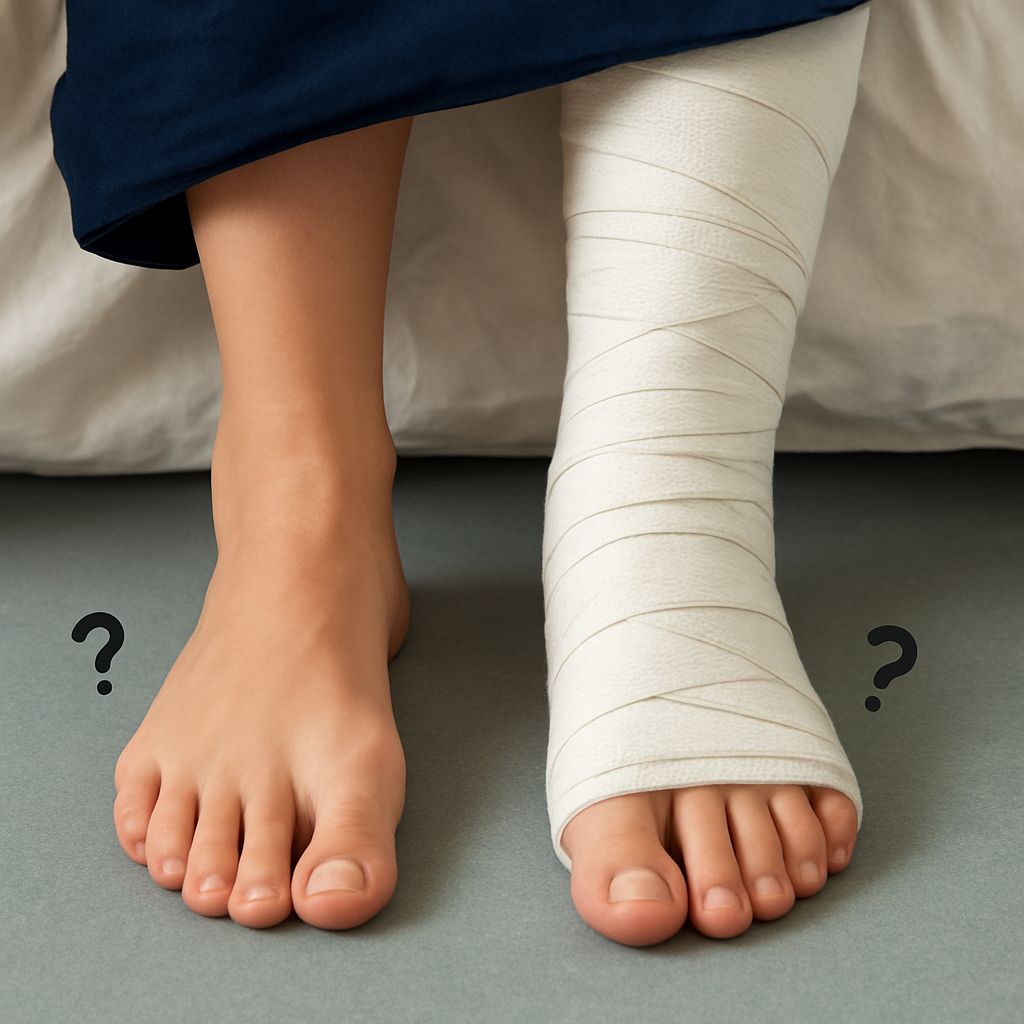
Knowing how to sleep after gallbladder surgery matters as much as the post-operative diet plan. The incision sites from laparoscopic removal—typically three to four small cuts in the right upper abdomen—are directly compressed by right-side lying, making sleeping on right side after gallbladder surgery the position most likely to cause pain on nights one through five. How long should you wait to sleep after eating also changes during recovery: the digestive system works without the bile-storage function of the gallbladder, meaning fat digestion is slower and lying flat too soon after a meal can cause discomfort that disrupts sleep. How long to wait after eating to sleep is generally 2–3 hours for most post-cholecystectomy patients, versus the standard 2-hour guideline for healthy adults. Those managing both abdominal recovery and shoulder hardware should follow specific positioning advice for how to sleep after shoulder replacement surgery separately, as the two recoveries require incompatible positions in some cases.
Recommended Sleep Positions After Gallbladder Removal
Left-Side Lying and Back Sleeping
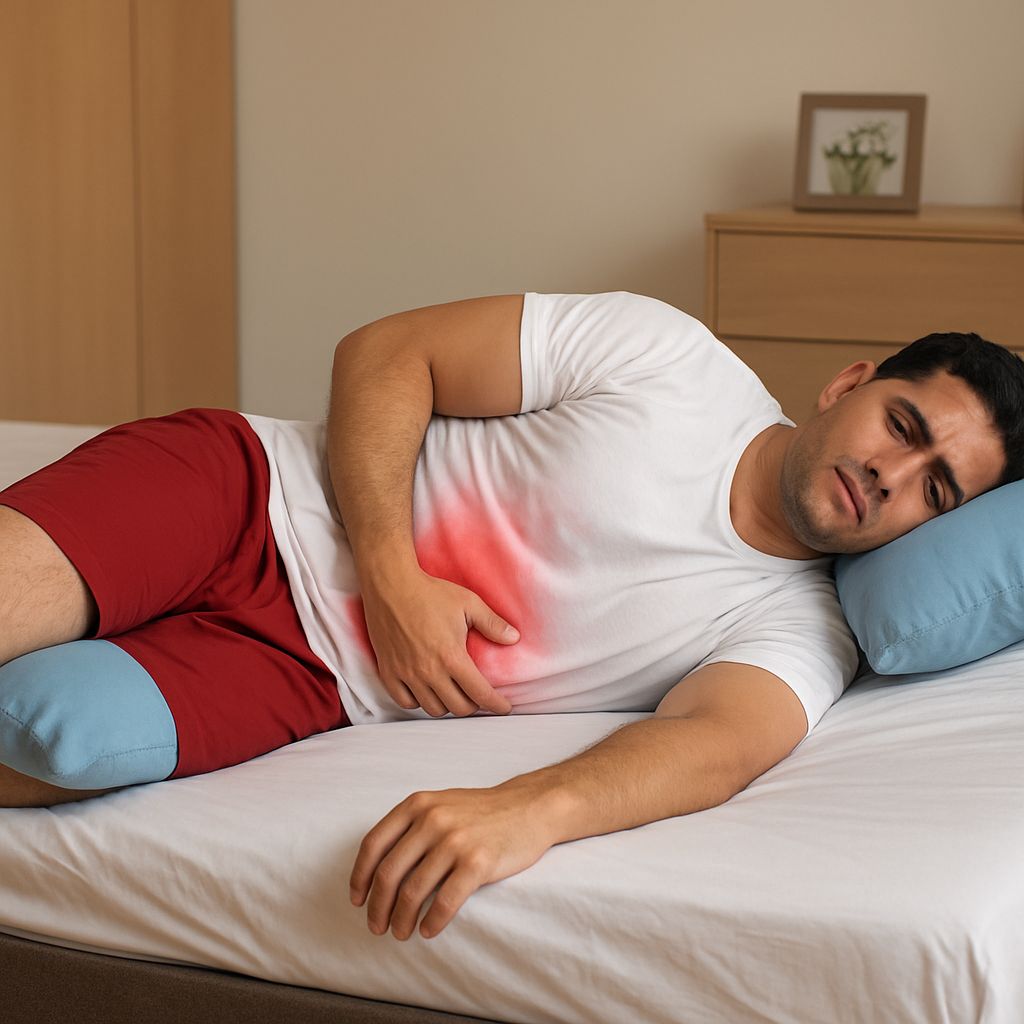
Left-side lying is the preferred position for the first week after laparoscopic cholecystectomy. The right upper quadrant incisions face away from the mattress, reducing direct pressure on the surgical sites. Place a firm pillow against the abdomen to support the incision line and reduce the stretch sensation when breathing deeply during sleep.
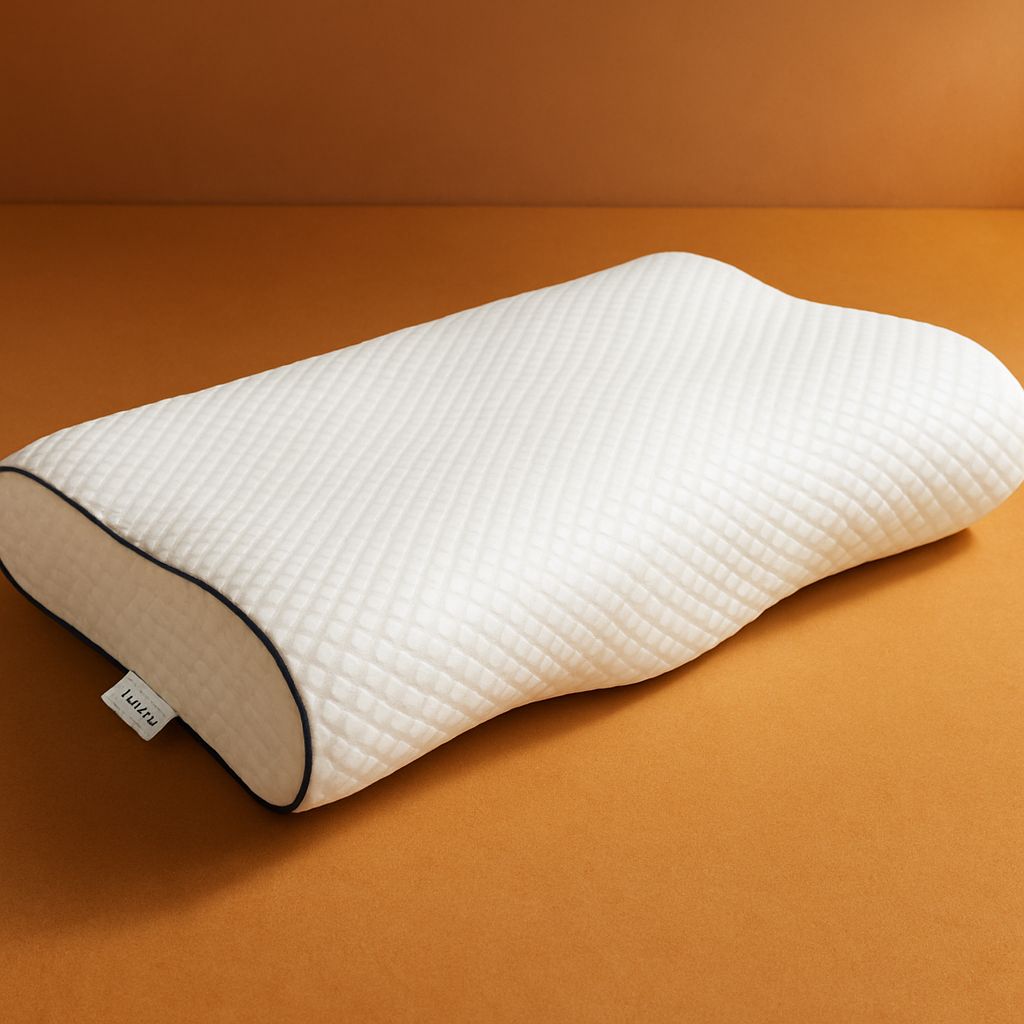
Back sleeping works as an alternative if left-side lying causes shoulder or hip discomfort. In supine, elevate the upper body 20–30 degrees with a wedge pillow or two stacked firm pillows under the shoulders and head. This elevation reduces internal pressure on the diaphragm, which sits just above the surgical field and can feel tight during the first 48–72 hours post-operation.
Avoid sleeping on right side after gallbladder surgery for at least the first five days. After day five, tolerance varies; many patients can trial right-side lying briefly but return to left-side or back sleeping if pulling or burning sensations appear at the largest port site, typically located near the navel.
Eating, Timing, and Sleep Quality
The question of how long should you wait to sleep after eating becomes more relevant post-surgery because bile now drips continuously into the small intestine rather than being released in a bolus. Fat-heavy meals take longer to process, and lying flat while digesting can produce bloating, cramping, or referred shoulder pain—a common phenomenon after laparoscopic procedures caused by residual carbon dioxide gas pressing on the phrenic nerve.
A practical schedule: eat the last meal of the day no later than 3 hours before planned sleep time for the first two weeks. Keep portions small—roughly half the usual dinner size. High-fat foods, fried items, and dairy should be minimized for at least the first four weeks, as fat malabsorption peaks during this period and directly affects sleep quality through nocturnal cramping.
Track sleep quality in a simple log—noting wake times, pain locations, and any gastrointestinal symptoms—for the first two weeks. This log helps the surgical team identify whether discomfort is position-related or diet-related, which affects the recovery timeline and any prescription adjustments needed.
Return to pre-surgery sleep positions as tolerated, usually within 10–14 days for laparoscopic procedures. Open cholecystectomy patients typically need 4–6 weeks before abdominal pressure from any side-lying position is tolerable. Contact the surgical team if sleep is consistently disrupted beyond day 10 or if right shoulder pain worsens overnight, as this can signal retained gas or bile leak requiring evaluation.