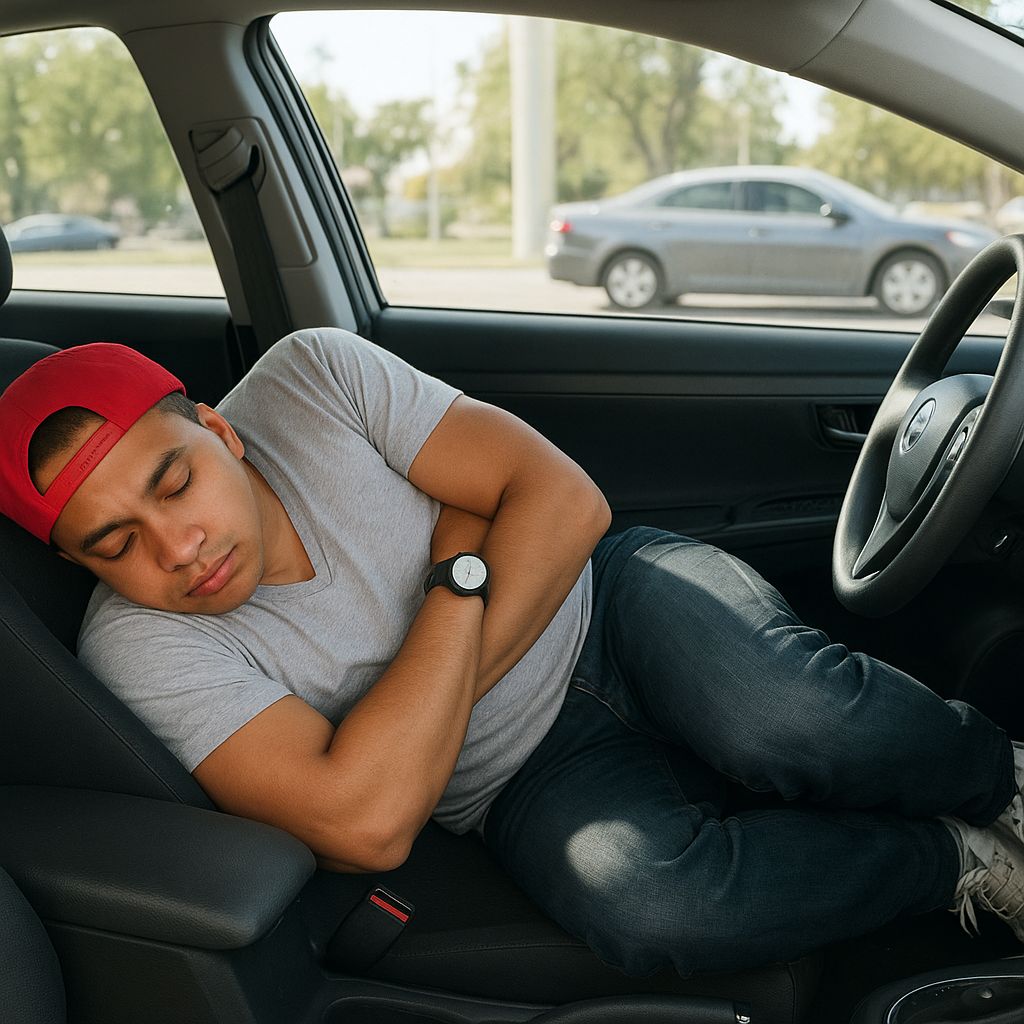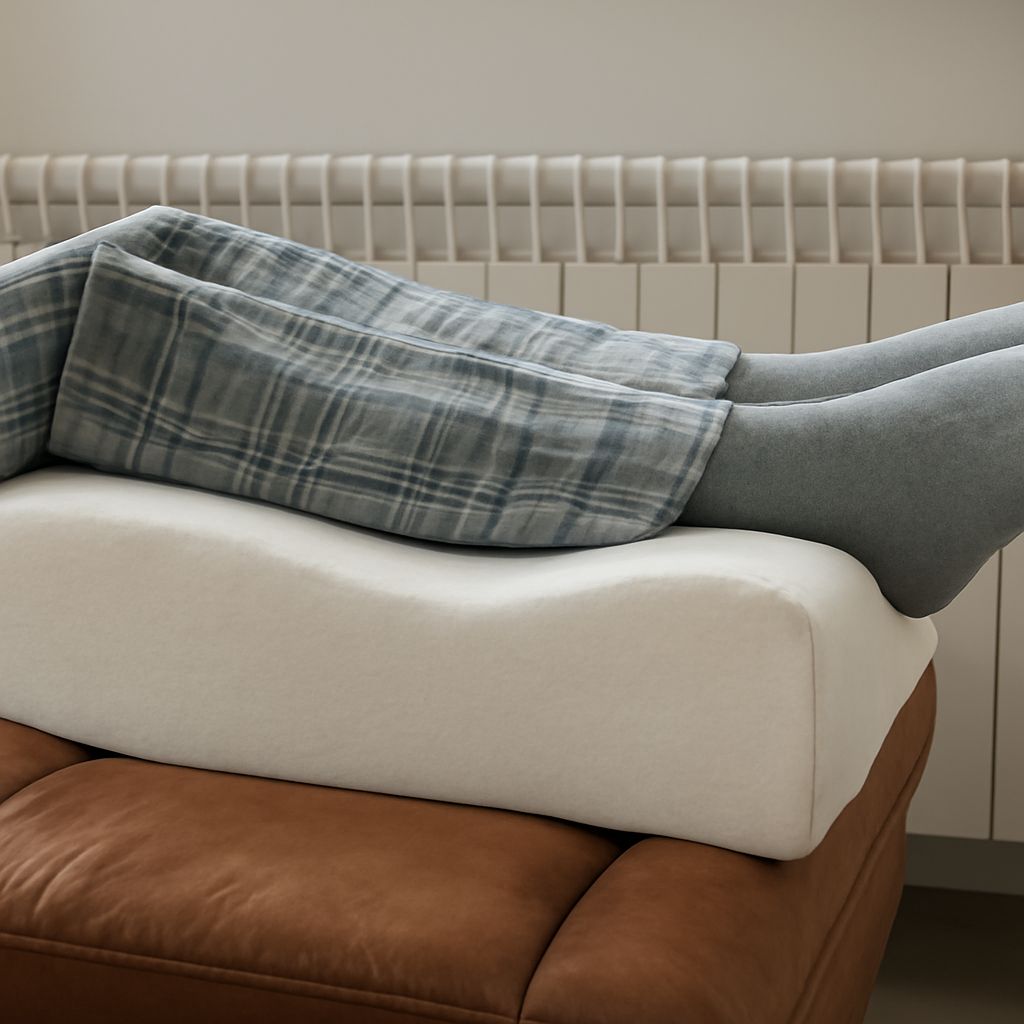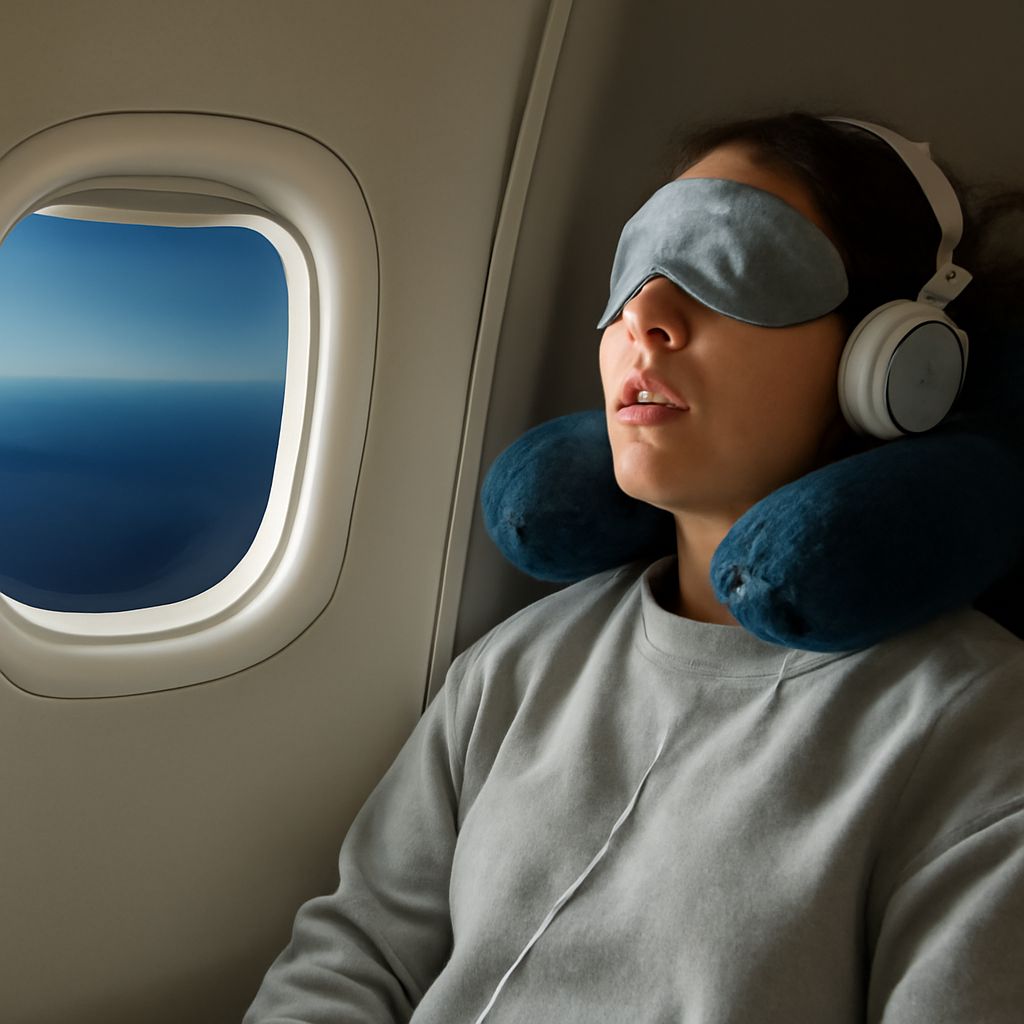
A headache while sleeping is not the same as a headache from sleeping too long, though both share overlapping causes. Nocturnal headaches that wake a person from sleep are a recognized clinical category with specific triggers: oxygen desaturation from sleep apnea, hypnic headaches in adults over 50, bruxism-related temporal pain, and positional cervicogenic headaches from poor neck alignment. A headache from sleeping too long involves different mechanisms—vasodilation from extended horizontal positioning and disrupted serotonin cycling from irregular sleep timing. Wearable sleeping bags and onesie sleeping bag designs have gained attention for cold-weather camping, where inadequate thermal regulation causes the body to tense musculature overnight, contributing to morning head and neck pain. Understanding which category applies determines whether the fix is a CPAP device, a different pillow, or a schedule adjustment. A safety recap appears at the end.
Common Causes of Nocturnal and Morning Headaches
Sleep Apnea and Oxygen Levels
Sleep apnea causes morning headaches in approximately 30% of affected individuals. The mechanism is hypoxia: oxygen saturation dropping below 90% triggers cerebral vasodilation as a compensatory response, and the resulting increase in intracranial pressure manifests as a dull, bilateral frontal headache within minutes of waking. These headaches typically resolve within 30 minutes of getting up and moving.
A pulse oximetry test worn overnight measures whether oxygen saturation drops below 90%. Sustained desaturation—more than 5 events per hour where saturation falls below 88%—combined with morning headaches warrants a formal sleep study referral. CPAP therapy eliminates this headache type in the majority of cases within the first month of use.
Positional and Temperature-Related Headaches
Cervicogenic headaches originate from the upper cervical spine—C1, C2, or C3—and refer pain upward toward the occiput and temples. They are unilateral and worsen with specific neck movements. A pillow that is too high or too flat forces the cervical spine into sustained flexion or extension overnight, loading these joints continuously for 6–8 hours. Switching to a contoured cervical pillow adjusted to shoulder width resolves this type in many users within 2 weeks.
Cold-weather sleepers using a sleeping bag suit or wearable sleeping bags face a different risk: if the hood cinch is too tight or the mummy design compresses the shoulders, the trapezius and suboccipital muscles tense against the restriction and produce bilateral compression headaches by morning. Loosening the shoulder area of the onesie sleeping bag design or selecting a model with a separate hood that does not contact the neck resolves this.
Headache from sleeping too long—typically defined as more than 9–10 hours—involves a different pathway. Extended sleep increases adenosine clearance rapidly when waking and drops caffeine-adapted users into a withdrawal state simultaneously, producing a distinctive throbbing that responds to light activity and, if habituated to caffeine, a moderate dose of that substance.
Safety Recap
A headache while sleeping that is sudden, severe, and described as the worst headache of one’s life requires emergency evaluation regardless of time of day. This presentation can indicate subarachnoid hemorrhage, which has a time-critical treatment window. Headaches accompanied by fever, stiff neck, vision changes, or neurological symptoms also require same-day medical assessment. Positional and sleep-duration-related headaches respond to the adjustments above; thunderclap or progressive worsening headaches do not, and should not be managed with positional changes alone.