Selecting the right bed is an essential part of building a restful sleep setup. The choice between a full vs queen can have a significant impact not only on personal comfort but also on the functionality and flow of a bedroom. Anyone trying to optimize their space and sleep quality will benefit from understanding the key differences between a full size bed vs queen, including the size difference between full and queen beds and how full bed measurements translate to real-life use.
This guide covers the critical comparisons and practical details needed to make an informed choice. Whether space-saving is a top priority or maximizing sleep comfort for one or two people is the goal, learning these distinctions will clarify which mattress best fits the intended room and lifestyle.
Understanding the Basics: Full vs Queen and Why Bed Size Matters
Choosing between full vs queen beds begins with knowing what each option provides. Bed size influences not only how much room is available for sleep but also how furniture fits within a bedroom and how the room feels overall. For single sleepers, couples, or those with pets and children who occasionally join them, these distinctions can alter sleep quality and room dynamics.
Typically, a full bed is considered suitable for one adult, while a queen is commonly preferred by couples or those who want extra space to move. The difference in width and length can affect sleep posture, turning ability, and even the type of bedding required. If a person regularly changes positions or shares their mattress, the slight increase in dimensions with a queen size can mean less disturbance overnight and fewer accidental elbow nudges.
Beyond comfort, bed size also influences the visual balance of a bedroom. A too-large mattress in a compact space may crowd the room, while a smaller bed in a large room can make the space feel under-furnished. Carefully matching the bed to the room’s dimensions and intended use ensures a practical and comfortable result.
Thinking through these basic considerations early will make it easier to compare full vs queen and choose a bed that aligns with both sleep preferences and spatial constraints.
Full Size Bed vs Queen – Key Differences Explained
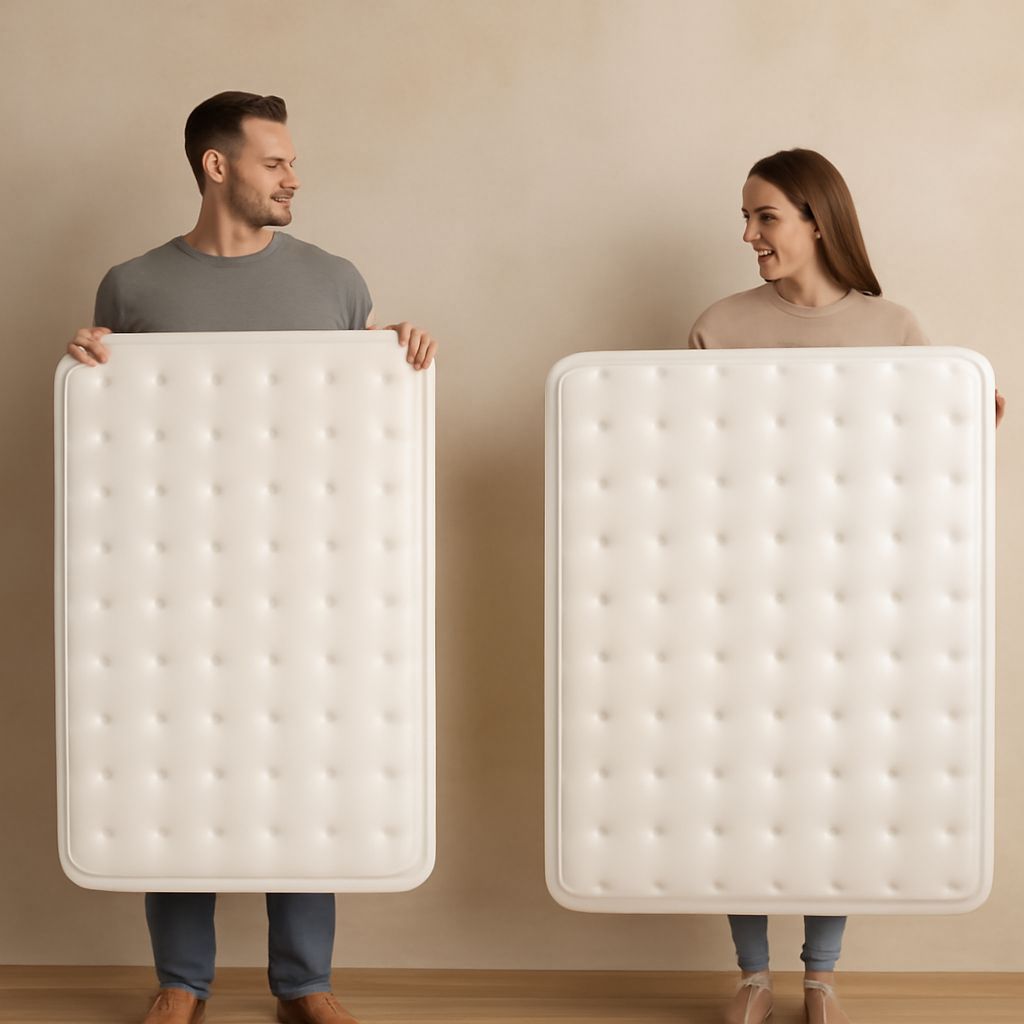
The primary distinctions in the full size bed vs queen comparison start with size. While both are standard options in mattress stores, their measurements set clear boundaries on how each fits different spaces and needs. A full bed, also known as a double mattress, typically measures 54 inches wide by 75 inches long. In contrast, a queen bed extends the width to 60 inches and the length to 80 inches.
Partial differences also arise in weight and cost. Most queen mattresses weigh more due to additional materials and often cost more as well, especially when comparing similar quality levels. The extra width and length of a queen also require larger bedding, which may slightly increase ongoing expenses for sheets and accessories.
Another important aspect of full size bed vs queen is versatility. Full beds are easier to move and fit into tighter stairwells or elevators, while queen mattresses may pose logistical challenges in older or smaller buildings. Putting the right size into a room can mean the difference between a seamless setup and cumbersome, time-consuming adjustments.
Understanding these distinctions helps narrow down the best option, especially when matching sleep needs and room dimensions with each bed’s specific advantages.
Size Difference Between Full and Queen Beds
The size difference between full and queen beds is more than just a few inches; it can have tangible effects on everyday comfort and bedroom layout. A queen is six inches wider and five inches longer than a full. For two adults, this extra space can make a noticeable difference, reducing crowding and allowing each person roughly 30 inches of width—close to what a twin bed provides per individual.
Measuring the available room before deciding is crucial. A minimum of 24 to 30 inches is typically recommended between the edge of the mattress and the wall or nearby furniture to ensure easy movement and sheet-changing access. In smaller bedrooms, the extra width of a queen can make walking around the bed harder, while a full size leaves more open floor space for dressers, desks, or even exercise mats.
For guest rooms or multi-use spaces, the size difference between full and queen beds also affects flexibility. A full may be easier to fold up, move, or repurpose, while a queen turns a spare room into a more comfortable space for couples or taller guests. Considering both present needs and possible future changes in use helps make the most of the room’s potential.
Thus, the choice isn’t only about sleeping surface—it’s about how the bed interacts with the rest of the living environment.
Full Bed Measurements and When They Make Sense
Full bed measurements sit at 54 inches wide by 75 inches long. This size was historically standard for couples, but with modern preferences shifting toward more space, it’s now more commonly chosen for solo sleepers, teens, or smaller guest rooms. The compact profile lets full beds fit comfortably in rooms as small as 10 x 10 feet while still providing ample surface for most single adults.
Measuring the space before purchasing is advised. Use a tape measure to mark out the full bed measurements on the floor, along with extra clearance for headboards and nightstands. Consider door swing, window placement, and traffic flow. For multi-purpose rooms—such as a home office or den doubling as a guest room—a full bed offers enough sleep space without dominating the area.
Another advantage is cost-effectiveness. Full size bedding and frames are generally less expensive and more widely available, making it easier to refresh the style or replace worn components. The lighter weight also simplifies moving and rearranging furniture, a benefit for renters or those who anticipate frequent relocations.
In sum, full beds make sense where space is tight, the sleeper is solo, or maximizing open floor area is a priority.
Choosing Between Full vs Queen: Which Bed Is Right for Your Space?
To select between full vs queen, balance room size, sleep habits, and planned use. Start by accurately measuring the room, accounting for pathways and other furniture. If two adults will share the mattress regularly, a queen is usually more comfortable, particularly for those over six feet tall or light sleepers sensitive to disturbance. For single users or smaller rooms, a full offers better space efficiency without sacrificing core comfort.
Think about the long-term. Children transitioning to larger beds may eventually need a queen for growth or guest use. In apartments with limited square footage, a full may allow for a work area or additional storage. Assessing lifestyle changes and future occupancy can justify investing in a slightly larger or smaller bed.
Also factor in bedding availability and budget. Queen mattresses often have more style and firmness options, but full size bedding is easier to find in starter budgets or for quick replacements. Hands-on testing in stores—lying on both sizes, turning side to side, and checking room for movement—can reveal subtle differences not obvious on paper.
Ultimately, the right choice is the one that fits both the sleeper’s needs and the room’s physical constraints.
Frequently Asked Questions About Full vs Queen Beds
Is a full bed the same as a double? Yes, these terms are interchangeable, referring to the same mattress size of 54 x 75 inches.
Can two adults sleep comfortably on a full bed? For short-term use or smaller adults, it may suffice, but most find the width restrictive compared to a queen.
What is the size difference between full and queen beds? A queen is 6 inches wider and 5 inches longer, which can significantly increase comfort for two people.
When should a full bed be chosen over a queen? Opt for a full bed in smaller rooms, for solo sleepers, or when budget is a primary concern.
Making a careful comparison between full size bed vs queen will ensure the sleep setup supports both current routines and future needs.